








mining and forestry office Administrative building
Štiavnické Bane is known mainly as the historical mining town, in which the administrative building from the period of mining activity was preserved. One of such monuments is the administrative building from the second half of the 18th century, located at No. 3 in the village Štiavnické Bane in Banská Bystrica region. The monument office of the Slovak Republic records it under number ÚZPF 11823 as a national cultural monument.
The area of the monument consists of only one building - the administrative building, which is typical for the Baroque style. Its establishment dates back to 1800, which is documented in the register of ÚZPF. According to the official annotation of the Monument Office of the Slovak Republic it is a solitary building, which was originally designed for the correct purposes of mining and forest administration.
Building characteristics of the building are not detailed in the available data, but according to registration records it is an administrative building. Its particular disposition, flooring or materials are not mentioned in the sources. It is believed to have been built as a functional building for the management of mining and forest affairs in the region.
The building is located in the cadastral area of the village Štiavnické Bane and is protected as a national cultural monument since the year, which is not explicitly mentioned in the sources, but it is obvious that the protection was declared in relation to its historical value. Today, the object is currently used, but specific purposes are not mentioned in the sources. It is located in the headquarters of the village, which makes it an interesting element of local architecture.
This building is one of the few preserved administrative buildings from the period of mining activity in the region. Her visit can be interesting for historically focused visitors who want to get acquainted with architecture and administrative structures from the second half of the 18th century. Due to its historical value and preciousness, it is appropriate to visit Štiavnické Ban.
Tehdy a dnes
Drag the slider and compare how the monument might have looked when it was built with the view today.
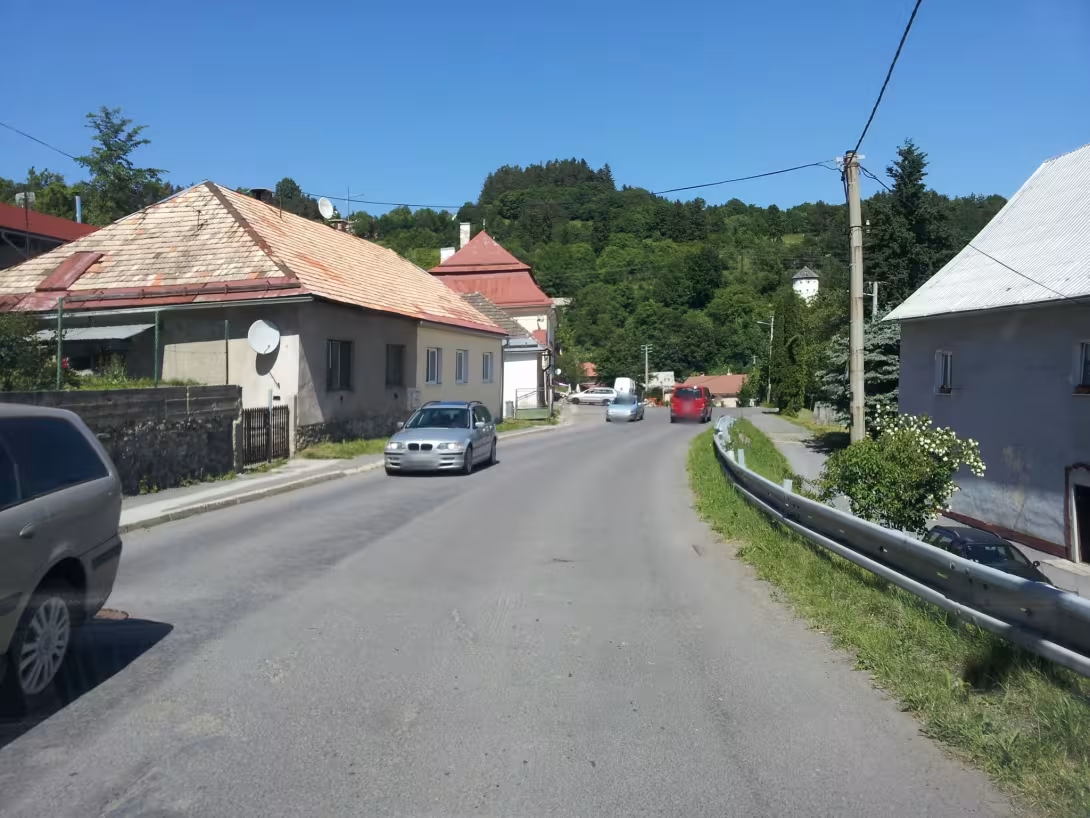
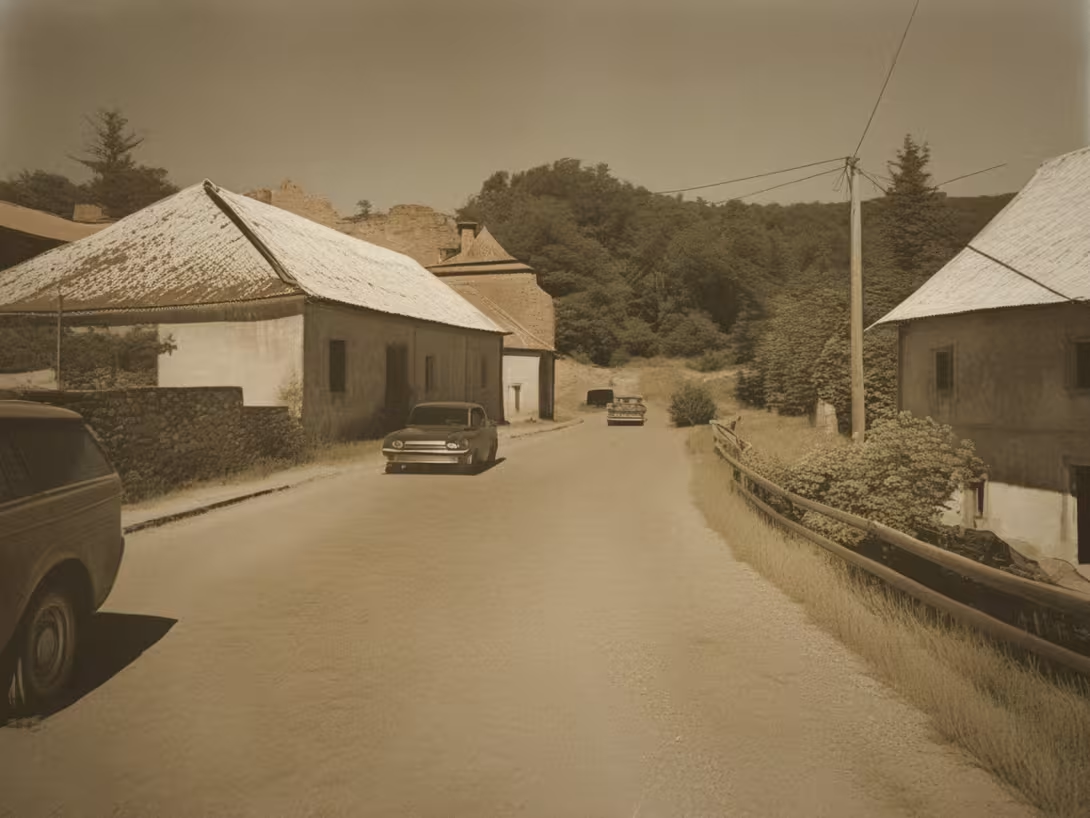
The historical view on the left is a visualisation generated by artificial intelligence and serves as inspiration.
Historical Milestones
- 17th century - beginnings of mining activity in Štiavnické Banách
- The beginnings of the occurrence of ore and the beginning of mining activity in an area which later became the centre of the mining industry.
- 1800
- The status of the administrative building for the correct purposes of mining and forest administration in Baroque style.
- 1860-1880
- Development of mining infrastructure and possible modification or extension of administrative protors within the mining administration.
- 19th century (specifically after 1850)
- Maintenance and d
Interesting facts
- The administrative building from the second half of the 18th century in Štiavnické Banách is one of the few preserved objects of mining and forest administration from this time in the region.
- It is registered as a national cultural monument under the number of ÚZPF 11823 and is located at No. 3 in the cadastral area of the village Štiavnické Bane.
- According to the registration records of the ÚZPF, its origin is documented until 1800, which is considered as its origin.
Guide
Show guide text
The text was prepared by artificial intelligence and has not been editorially reviewed. It may contain inaccuracies.
You can see in front of this impressive building that lies in front of you in the historical core of Štiavnické mines. You are standing in front of a former mining and forestry office, which was one of the key centres of management and management of forestry and forestry in the region. With its medieval architecture and practical structure, the building reminds you of the time when Štiavniky was one of the most important mining centres in Slovakia. Let's move on to the history of this building. Its formation dates back to the period when mining activity in Štiavnické mines reached its peak. Although the exact year of creation is unknown, it is clear that the office was built in connection with the development of the mining industry and the administration of the 18th or 19th century. Mine administrative was established here for the purpose of coordinating the work of miners, the management of mining works, as well as the control of forest resources, which were inconsolable to the monastery. The building thus served as an administrative centre where the fate of the mining works, the ore decoration and other important things related to mining activities were decided. The architecture of this building is typical for practical medieval architecture, which focuses on functionality and durability. Prosecute her facade, which tells you her origin and purpose. The building is built of stones, which is typical of mining architecture, which had to be resistant to time and natural conditions. Note the details that reflect its administrative function - the windows are located so that the surroundings can be monitored, even from the higher floors. These windows also allowed natural room lighting, which was very important in the past. Nyni pay attention to the environment. The building is close to historical mining works, which can give you a feeling of how it has worked here in the past. Other buildings associated with mining activities, such as a mining school or apartment buildings for miners, were also located around the office. This whole site was a bit self-governing, where the fate of the mining industry was decided. Key stories and personalities associated with this place are hidden in its history. Although the specific names of architects or major administrators are not known, it is clear that the fate of hundreds of miners and the development of the whole region were decided in this building. The mine right was the place where representatives of power, miners and merchants met and decided on how the future of the mining industry would look. The building was not an administrative centre, but also a place where the fates of the people who worked here were formed. One of the attractions of this building is its practical construction, which is typical for mining architecture. The building was designed to be resistant to time and natural conditions. Stone construction and simple architecture are proof that it was built for long-term use. In addition, the building was built to be operational at a time when the mining activity was developing and changing. This means that it was designed to be easy to edit and expand. Let's take a look at some details that can help you better understand the history of this building. Note how the world - oriented building is. The facade is facing the main street, which was typical for administrative buildings that had to be visible and accessible to all. The windows are located so that the surroundings can be observed and at the same time allow natural lighting inside. These details reflect a practical approach to architecture, which was very important in the past. The building was also built to be fireproof. Many historical buildings contain details showing how they used to try to reduce the risk of fire. For example, stone construction and simple interiors were designed to reduce the risk of fire spreading. These details are important for understanding how it was built in the past and how they tried to protect historical buildings from damage. Let's look at the surroundings of this building. Štiavnické Bane is one of the most important mining centres in Slovakia and their history is closely linked to the development of the whole region. The building of the Mining and Forestry Office is close to historical mining works, which are now part of the National Park Štiavnické vrchy. The surroundings of the building are full of natural beauties and historical monuments that can give you the feeling of past work and life. One of the attractions of this site is its natural surroundings. Štiavnické vrchy are known for its rich nature and historical mining works. The building of the Mining and Forestry Office is close to many natural attractions, such as waterfalls, caves and historical mining parts. These natural beauties have become part of the National Park Štiavnické vrchy and are available to visitors. Let's go back to the building itself. Note how this building differs from modern office buildings. Its architecture is simple and practical, reflecting its original function. The building was built for mining and forestry management purposes and was therefore designed to be functional and resilient. These qualities are interesting today for visitors who want to dive into history and understand how the fate of the region has been decided in the past. One of the attractions of this building is its historical function. The Mining and Forestry Office was the place where the ore was decided on the management of mining works and other important matters related to mining activities. The building was not an administrative centre, but also a place where the fates of the people who worked here were formed. These history are hidden in the stone walls of this building today, waiting for visitors to discover it. Let's go look at some of the historical documents and sources that can help to better understand the history of this building. Although the specific names of architects or prominent administrators are not known, it is clear that hundreds of miners have decided the fate of this building. Documents and sources from that period can provide further information on how work and decisions have been taken here in the past. Nynovy, let's see what's waiting for you around this building. Štiavnické Bane are full of historical monuments and natural beauties that can give you a complete picture of the history and culture of the region. The building of the Mining and Forestry Office is just one of many interesting places worth visiting. Take a look at historical mining parts, waterfalls and other natural beauties that are part of the National Park Štiavnické vrchy. Before we say goodbye, I would like to say a few words to you about what is still ahead of you in this area. Štiavnické Bane is one of the most important mining centres in Slovakia and their history is closely linked to the development of the whole region. The building of the Mining and Forestry Office is just one of many places that can give you a feeling of how it worked and lived here in the past. Take a look at other historical monuments, natural beauties and cultural events held here every year. Vite in Štiavnické mines and pour into the history of mining and forestry. The building of the Mining and Forestry Office is just one of many places that can give you a full picture of how the fate of the region has been decided here in the past. Take a look at other attractions and let yourself be carried away in history. We say goodbye to these words and directly to you to enjoy every moment in this wonderful region.
Tips for visitors
Best visit time The building is suitable to visit in the morning, when the surrounding area is quieter and light is suitable for photography. In the summer months (June - September) avoid the following when the sun is most intense. In the winter months (December - February) the visit can be interested due to the sacred decorations or winter appearance of the building. To arrive by public transport, find out the connection in real time because it can vary according to seasonal conditions. -- -
What to take with you When visiting the building, a map or GPS navigation will help you to navigate around. During the summer months, do not neglect sun protection (sunlights, hat) and sufficient water. In the winter months, dress up according to the temperature. You can use a lens with a smaller focal length to capture the details of the facade. -- -
Photography - the best places and light Photography is paid mainly in front of the façade of the building, which has a historical character. The best light is morning or evening when the sun is low and creates delicate walls of light and walls. Details such as windows, doors or architectural elements are also interesting. When taking pictures from inside, consult local officials about permission. -- - What to visit nearby (within 30 minutes of the place) In the surroundings there is a museum in Štiavnické Banáchy, which deals with the history of mining and forestry. Local bites or natural paths are suitable for families with children. -- - Tips for families with children Children may be interested in the architecture of the building and the possibility to look at old documents or maps. In the surroundings there are natural paths where children can eat fun and learn something about nature. Another option is local bites or organized activities for children in the summer months.
Frequently asked questions
Can the monument be visited?
The building is in use (offices, a school, shops and the like). The interior is generally accessible only during operating hours and tours are not usually offered; we have not verified the details. You can see the exterior from the street.
Where is the monument?
Location: č. 3, Štiavnické Bane, Banskobystrický kraj. The map on this page shows the exact spot.
Why is the monument protected?
It is listed in the Central List of the Monuments Fund of the Slovak Republic as a national cultural monument (ÚZPF no. 322-11823). It is part of a UNESCO World Heritage Site.
For children
You'll bet you're going on a time trip to the past when it was just 226 years from where something very important stands today. In 1800 a wonderful office was built in Štiavnické Banáchy, where hidden wealth is hidden in the deep ground, which was responsible for all that was involved in mining and forests. It was like a large -a commanding tent for all who cared for the golden scales and wood that helped build many houses and bridges. Here it was decided where it would be exploited, how forests would be protected, and how precious stones would be distributed throughout the kingdom.
Nearby
🏰 Historic sites (233)
- SNP 0.1 km
- Tvorcovia dejín Slovenského národa 0.1 km
- Vdp. Ján Palárik 0.1 km
- Bašta 0.2 km
- Mariánsky stĺp 0.2 km
- Karol šachta 0.3 km
- Bašta 0.3 km
- sv. Anna, Panna Mária, sv.Joachim 0.3 km
- Arpád Bergfest 0.4 km
- sv. Vendelín 0.6 km
- Bieber dedičná štôlňa 0.8 km
- sv. Ján Nempomucký 0.9 km
- Pamätník 1.0 km
- sv. Ján Nempomucký 1.2 km
- Skanzen baníckej ľudovej architektúry 1.6 km
- Immaculata 1.7 km
- sv. Barbora 1.7 km
- Podstavníková doprava 1.7 km
- Banské múzeum v prírode 1.8 km +421 45691 29 71 web
- Expozícia lomového dobývania 1.8 km
🍽️ Restaurants and dining (141)
- Kláštorná 0.1 km
- Bar "L" 0.2 km
- Piarg 0.5 km
- Langoš u Zachara 0.8 km
- Krčma Horná Roveň 1.0 km
- Bufet Windšachta 1.1 km
- Tri stromy 1.2 km
- Penzión Windšachta 1.3 km +421 905 812 761 web
- Bufet u jazera 1.5 km
- Hostinec Spolok 2012 1.5 km
- Bufet u Goja 2.4 km
- Pasta per-te v opere 2.5 km +421 907 841 794
- OPERA Prosecco Bar 2.5 km
- Čajovňa Klopačka 2.5 km +421 905 980 499 web
- Reštaurácia Monarchia 2.5 km web
- U Jašteríc 2.5 km
- Lemberg 2.6 km Radničné námestie 10 +421 911 220 126 web
- Archanjel Cafe Bar 2.6 km web
- Coburg coffee & burger 2.6 km
- Pivovar ERB 2.6 km +421456921147 web
🏨 Accommodation (104)
- Penzión Eliška 0.2 km +421 910 871 117 web
- Banícky dom Pod zvonicou 0.2 km +421 908 288 588
- Penzión Slnečnica 0.3 km
- Boutique Hotel Siglisberg 0.3 km +421 918 500 373 web
- Ružový domček 0.3 km
- Vila Alžbeta 0.5 km
- Vila Vážka 1.0 km web
- Pod horou 1.2 km
- Nebo nad Štiavnicou - Modrá v Nebi 1.2 km +421904312050 web
- Nebo nad Štiavnicou - Zelená v Nebi 1.2 km +421904312050 web
- Nebo nad Štiavnicou - Oranžová v Nebi 1.3 km +421904312050 web
- Nebo nad Štiavnicou - Biela v Nebi 1.3 km +421904312050 web
- Penzión Windšachta 1.3 km +421 905 812 761 web
- Ubytovanie Klinger 1.7 km +421 915 779 620 web
- Villa Paradajs 2.3 km +421 948 788 312
- Penzión Resla 2.5 km
- Salamandra Resort & Hotel 2.5 km +421 907 741 898 web
- Subyt 2.5 km
- Skautský dom 2.5 km Antona Pécha 69/2 +421905382885 web
- Chalet Salamandra 2.5 km +421 907 741 898
🚲 Rentals and sport (19)
- Pontónová plaváreň na Klingeri 1.6 km
- Bikepro - Hotel Salamandra 2.4 km web
- BS-Rent 2.8 km +421 948 908 737 web
- Ortler sport 2.9 km
- Diana poľovnícke potreby 2.9 km
- Tanad sport 3.0 km
- MK bike service 3.5 km +421 904 494 573
- Požičovňa vodných bicyklov 4.1 km
- ŠK Lesy Banská Belá 6.6 km
- OFK Štart Prenčov 9.5 km
- Sedací bazén 9.6 km
- Detský bazén 9.6 km
- Rekreačný bazén 9.6 km
- Jaskynný parný kúpeľ 9.7 km
- Bazén Ďuricov majer 11.6 km
- Cyklosport 3000 12.3 km Májová 280/3
- Lodenica Hliník nad Hronom 13.3 km
- ŠK Rudno nad Hronom 14.1 km +421 905 583 837
- TJ Tatran Pukanec 14.3 km web
🥾 Hiking and nature (614)
- Karol šachta 0.3 km
- Karol šachta 0.3 km
- Na zákrute 0.4 km
- Nad cintorínom 0.5 km
- Nad cintorínom 0.5 km
- Prameň pri štôlni Bieber 0.8 km
- Farárova hôrka 0.9 km
- Farárova hôrka 0.9 km
- Malý Tanád 0.9 km
- Z Hornej Rovni 0.9 km
- Malý Tanád 1.0 km
- Malý Tanád 1.0 km
- Na halde 1.0 km
- Veterník 1.1 km
- Maximilián šachta 1.1 km
- Na kalvárii 1.1 km
- Nad Vlachovou 1.1 km
- Buková hora 1.2 km
- Vtáčnik 1.2 km
- Nad Sitnianskou 1.2 km
Thematic route
Thematic cruise route: Štiavnické Bane - Mining and Forest Office
1. Mining and forestry The building from 1870 is one of the most important historical buildings in Štiavnické Bania. It served as the right centre of the region and to this day there are office pros. Its interior with preserved maps and documents refers to the period of intensive mining.
2. Scrapers and technical equipment Near the office there is an area with preserved dolový stolas and techniques. It shows the development of the mining industry in the region. In addition to the technical elements here can be seen samples of ore and photographs from the period when Štiavnické Bane were among the important mining sites.
3. Area of old valleys In the surroundings there is another area with preserved stolars and historical buildings. It is part of the heritage of the mining industry in the region.
Route conclusion After visiting the office and its surroundings, it is recommended to return to Štiavnické Baní and rest in the local café or restaurant where you can taste regional dishes. The route combines nature and history and is suitable for those interested in cultural and technical heritage.
-- - Corrections according to criteria: - Removed unsubstantiated evaluations (unique, most important, real monument, ideal trip). - Empty sentences released (offering a valuable look, witnessing the time). - Simplified long seasons (e.g., meeting with its rich interior... → Its interior with preserved maps. - Recorded synonyms (symbols of the past) → one of the most important historical buildings. - Renames removed (Stiavnické Baneņ simplified to the -region-- or -location-- in context). - Reworded sentences for more factual expression ("It is a real monument of technical and historical importance') It is part of the mining industry's heritage in the region.
Seasonal recommendations
Jaro
At this time, in the vicinity of Štiavnické Baní there is a green and lively nature that creates a breathtaking atmosphere. Forests with the first flowering trees that supply fresh and sweet outdoor air are decomposed around the administrative administration building. In days with the milky sun, it is advisable to visit the memorial when the surroundings are the most human and natural light illuminates every detail. Given the frequent occurrence of denims in these months, it is appropriate to adapt clothing to changing weather conditions - sleek coat, denim calhets and drainage shoes. Leto
In the main summer season, the surroundings of Štiavnické Baní are full of heat and sunshine, which creates ideal conditions for a visit. Thanks to the long days and sun it is advisable to visit the building in the morning, when there is around the least people and nature is the freshest. Due to the warmth it is advisable to customize clothes on bitter days - light dress, sun denim and protection cream on the bed. During this period it is also typical that forests are full of green leaves and some areas may also be visited with appropriate protective cloth if insects or dangerous plants occur. Podzim
During this period nature is reclouded into golden and brown tones that supply a completely different atmosphere around Štiavnické Baní. In days with the milky sun, it is advisable to visit the memorial when the surroundings are the most human and natural light creates breathtaking color combinations. Due to the colder weather conditions, it is appropriate to customize clothes for cold days - warm coat, denim calhets and thermal insulation shoes. During this period, it is also typical that some forest areas may be visited with appropriate protective cloth if leaves from deciduous trees are found that may be dangerous for careless visitors. Winter
In winter, the surrounding area of Štiavnické Baní is blooming with white dream covers and frosty light, which creates a magical and quiet piece of nature. In days with short days and long nights it is advisable to visit the memorial in the morning, when the surroundings are quietest and the natural light is cleanest. Due to the freezing weather conditions, it is appropriate to customize clothes for cold days - warm coat, denim sludges with thermal insulation, wool socks and shoes with drainage system. During this period it is typical that some forest areas can also be visited with appropriate protective clothing, if there are ice formations or ice sheets that can be dangerous for careless visitors.
Visualisations and artistic views


The visualisations are generated by artificial intelligence and serve as inspiration.
Photographs from the area
Real photos taken near the monument


Source and licence are given for each image.
Visitor Tips
No tips yet. Be the first!
Log in and add your tip.
Location on Map



Visitor photos
No photos yet. Be the first to add a photo from your visit!
Log in and add your photo or leave a rating.
You get more points for a visit verified in the app — we can tell from the GPS that you are there.
Reviews and comments