








lakóház Burgher house
A Bratislava meštiansky dom, amely egy átjáróként és tanácsadó helyként jellemző.
Tehdy a dnes
Húzza a csúszkát és hasonlítsa össze, hogyan nézhetett ki a műemlék a keletkezésekor, a mai látvánnyal.
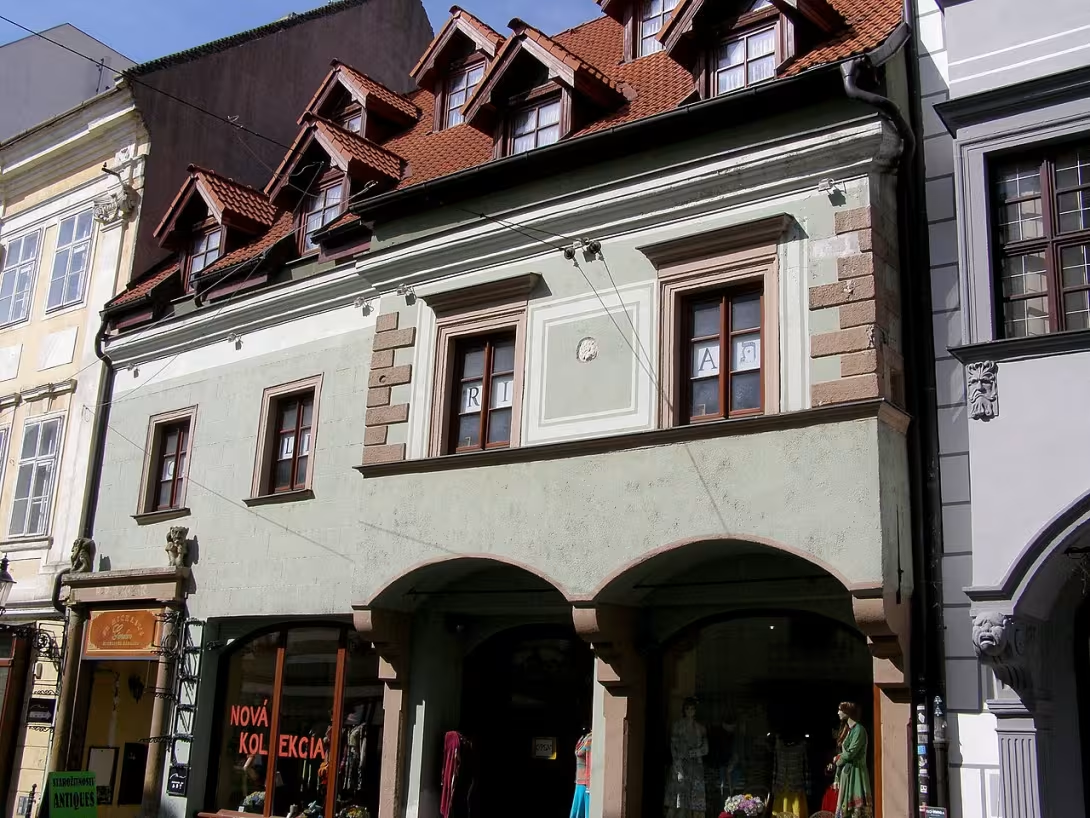

A bal oldali történelmi nézet mesterséges intelligenciával készült vizualizáció, inspirációként szolgál.
Történelmi mérföldkövek
- 13. század
- Az első meštiansky dom kialakítása Bratislavában.
- 17. század
- A köztisztségi funkciók miatt növekedett az érdeklődés a városban való tartózkodás iránt.
- 18. század
- Központi udvarral és több emelet rendelkező házak kialakulása.
- Körülbelül 1600
- A meštiansky dom rekonstrukciója reneszánsz és barokk stílusban.
Érdekességek
A műemlékek a 13. századba nyúlnak vissza.
Útmutató
Mutassa a vezető útmutató szöveget
A szöveget mesterséges intelligencia készítette, és nem esett át szerkesztői ellenőrzésen. Pontatlanságokat tartalmazhat.
Welcome to the heart of Bratislava, in the historic Starom Meste, where every stone under your feet tells stories from ancient times. You are standing right in front of a building that is a silent witness to many centuries – one of the typical meštiansky dom. If you glance at it, perhaps in the first moment you will see one of the many facades in this alleyway, but if you stop and feel the atmosphere of this place, you will begin to sense a breath of history that reaches much deeper than the first hill appears.
Let's go back in time together. To understand what is standing before us, we have to move to the third century. At this time, the primary basis of this house was established. Imagine Bratislava not as a modern metropolis, but as a growing commercial and strategic centre. In the thirteenth century, the first burghers started settling here, people who built their homes near the castle and commercial hubs. This house is one of the rare places that have survived such a long time and still reminds us of the time of the first town blossom. Thus, these houses were the symbols of stability and prosperity of the families who walked in crafts or trade.
But time is changing. If we move forward to the seventeenth century, we get to a period when Bratislava experienced a significant transformation. The city became an important administrative center, which naturally increased the interest of the nobility to stay directly in the city. Noble families had already left their sovereign settlements in the landscape, but they needed to be near power, joy, and courtyards. Meštiansky dom, as well as the one you stand before now, have thus become attractive localities for these layers of society. This trend changed not only the city's population but gradually influenced how these houses were edited and by whom they were owned.
Now, pay attention to the architecture and what you see before you. We don't have specific architects named for working on this house, but we can track the development of the styles. Around the year 1600, many houses in Bratislava underwent significant reconstructions. If you take in the overall form and rhythm of the building, you can see that the Renaissance and the Baroque did not devour each other. These two styles brought new elegance, symmetry, and a desire for representation to the city. The Renaissance added harmony, and the Baroque added dynamics and pomp. Right now, this layered history creates the unique face of the Bratislava Old Town that we admire today.
Let's move on to the eighteenth century. At this time, the so-called courtyard houses began to develop in the city. If you imagine a building in its structure, you'd probably find a central courtyard in it that was the heart of the house. The pavilion, also a species of open corridors or galleries, allowed access to individual rooms on the various floors without having to wait for the rest. This architectural solution was very practical and allowed efficient use of space in densely built-up city areas. You will notice how houses in this area use altitude, and how, as a departure from simple dwellings, they became multi-story buildings with complex interiors.
Who lived in these houses? Although history did not preserve the names of all the owners, we can imagine the lives of people who passed through here. Imagine an ambitious burgher from the thirteenth century, who laid the foundation for his family's fortune. Later, imagine a nobleman in the seventeenth century, who came here from a long way to settle important administrative matters in the city. These walls testified about business agreements, family joyful moments, but also about political schemes that were unraveling in the town centre. The house was not just a place of dwelling, but a hub of society and economic life.
Perhaps you're interested in one interesting thing that makes this house a real treasure. It's a mystery and a fascinating fact. The fact that the monument is dated back to the thirteenth century is, in the context of town development, which has passed through many delights, wars, and reconstructions, quite extraordinary. When you look at the facade, remember that before you stands a building that already existed in the thirteenth century where you stand. It has directed the flow of the city, developing the town from a small settlement to a large city and adapting to the needs of people from different epochs.
This house is not just a bunch of stones and mortar, but a live archive of Bratislava's history. It is a story about how the city changed, how the needs of people changed, and how architecture adapted to new trends from the Middle Ages to the Baroque. It is fascinating to think that generations have passed through its threshold and the secrets of its origins remain forever hidden in its walls.
Before the group breaks up and you go on your way, I'm going to give you a quiet sense of the whole form of this house. Go ahead and imagine how it looked hundreds of years ago, how it was moved around by people in the times of cobblestone streets, or how busy it is today.
We thank you for your attention and the time you have spent with this meštiansky dom. Now, I invite you to continue your stroll through the Old Town. Let yourself be seen in its wake and hope for the clues of the past that are waiting for you behind every corner. I wish you a pleasant and inspiring walk in Bratislava. Goodbye.
Gyakran ismételt kérdések
Látogatható a műemlék?
Lakó- vagy gazdasági épületről van szó, nem nyitvatartással rendelkező múzeumról. Közterületről tekintse meg, és tartsa tiszteletben a tulajdonosok magánszféráját. A belső terekbe való bejutásról nincs adatunk.
Hol található a műemlék?
Helyszín: Michalská 370/5, Bratislava-Staré Mesto, Bratislavský kraj. A pontos helyet az oldalon található térkép mutatja.
Miért védett a műemlék?
Nemzeti kulturális műemlékként szerepel a Szlovák Köztársaság műemlékállományának központi jegyzékében (ÚZPF-szám: 101-106).
Gyermekeknek
Azonnal bezekkelgessé vájjon elképzelheted, hogy egy titkos gombot nyomsz le az időgépen. Érezheted a hirtelen hatást? Boom! Most már Bratislavában vagy, száz évvel ezelőtt. Nem látszanak autók vagy aszfaltúton körülötted. Látod őket keskeny utcákon, érzed a friss kenyerem szagát, és elképzelheted a lovakat húzó szekereket. Élni az időben, amikor a város fontos kereskedelmi központ volt.
Témakörös útvonal
Útvonalap:
1. Meštiansky dom - a fő célpont, ahol történelmi belső térben megtekintheted az életét a korábbi lakó Bratislava-ban. 2. Kostol svätého Martina - neobarok templom a 18. században, amely egy régebbi templom alapján áll a 13. századból és gazdag történelmi háttérrel rendelkezik. 3. Rázusovo námestie - kis tér Rennszánsz építészetben, ahol egy keskeny utcát élvezhetsz és megkapod az öreg Bratislava-ban való benyomást.
Kiadvány:
Az útvonalat úgy terveztük, hogy közelebb hozza a történelmet és kultúrát Bratislava-hoz. Fel fogjuk emelni a fő célpontot, Meštiansky dom-ot és környékét, ahol a Kostol svätého Martina és Rázus' namestia található. Az útvonal rövid, de tele van történelemmel és kultúrával.
Évszakos ajánlások
A műemlék a Bratislava-Staré Mesto történelmi centrumában található.
Tavasz
Tavaszi időszakban a meštiansky dom lenyűgöző zöldek és napfényes fényekben úszik. A látogatáshoz a legjobb időpont 9:00 és 12:00 között van, amikor kevés a látogató. Kényelmes ruházat ajánlott.
Nyár
Nyári időszakban a meštiansky dom zöld környezetben és napfényben fürdőzik. A látogatáshoz a legjobb időpont 10:00 és 13:00 között van, amikor sok a látogató. Kényelmes ruházat ajánlott.
Ősz
Őszi időszakban a meštiansky dom arany és okrernyű növényzet övezi. A látogatáshoz a legjobb időpont 9:00 és 12:00 között van, amikor kevés a látogató. Kényelmes ruházat ajánlott.
Tél
Télen a meštiansky dom hótakaróban pihen. A látogatáshoz a legjobb időpont 10:00 és 12:00 között van, amikor sok a látogató.
Vizualizációk és művészi nézetek


A vizualizációkat mesterséges intelligencia készíti, és inspirációként szolgálnak.
Környék fényképei
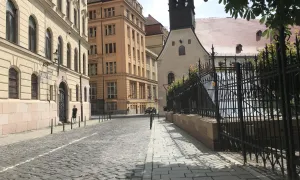
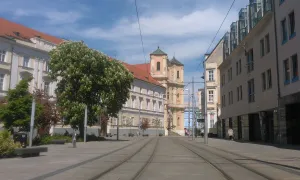
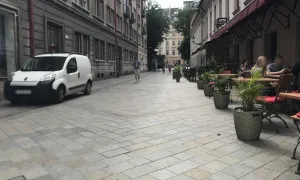
Valódi felvételek a műemlék környékéről


A forrás és a licenc minden képnél fel van tüntetve.
Látogatók tippek
Még nincs tipp. Legyél te az első!
Jelentkezzen be és adj hozzá a saját tippeidet.
Hely a térképen
További műemlékek – Bratislava-Staré Mesto
Az egész település megtekintése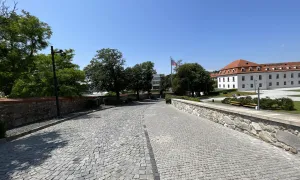


Látogatók fényképei
Még nincs fénykép. Legyen az első, aki fényképet ad hozzá a látogatásáról!
Jelentkezzen be és adja hozzá fényképét vagy értékeljen.
Az alkalmazásban igazolt látogatásért több pontot kap — a GPS-ből tudjuk, hogy a helyszínen van.
Értékelések és megjegyzések