








sýpka Granary
Sypka w wiosce Blatnica, położonej w regionie Żylina, jest narodowym zabytkiem kultury Słowacji. Ten obiekt, zarejestrowany pod numerem ÚZPF 316-11736, został zbudowany w roku 1900 i reprezentuje elementy ludowej architektury XIX wieku.
Obszar zabytkowy składa się z jednego budynku – kamiennego magazynu sypki, który jest przykładem ludowego budownictwa z tego okresu. Obecny stan pozwala odwiedzającym docenić historyczne znaczenie tego pomnika.
Jako część terenu, sypka posiada charakterystyczne cechy typowe dla takich budowli XIX wieku. Jej konstrukcja kamienna i kamieniowa odzwierciedla tradycyjne techniki stosowane w regionalnej ludowej architekturze.
Pomnik znajduje się w granicach katastralnego obszaru wsi Blatnica. Obecny stan sypki pozwala odwiedzającym docenić historyczne znaczenie tego pomnika.
Sypka w Blatnice jest fascynującą cechą tej wioski, przyciągającą nie tylko miejscowych mieszkańców, ale także odwiedzających z innych miejsc. Odwiedzenie tego pomnika daje spojrzenie na historyczne budownictwo Słowacji i przyczynia się do zrozumienia architektury oraz tradycji regionu XIX wieku.
Tehdy a dnes
Przeciągnij suwak i porównaj, jak zabytek mógł wyglądać w czasach powstania, z dzisiejszym widokiem.
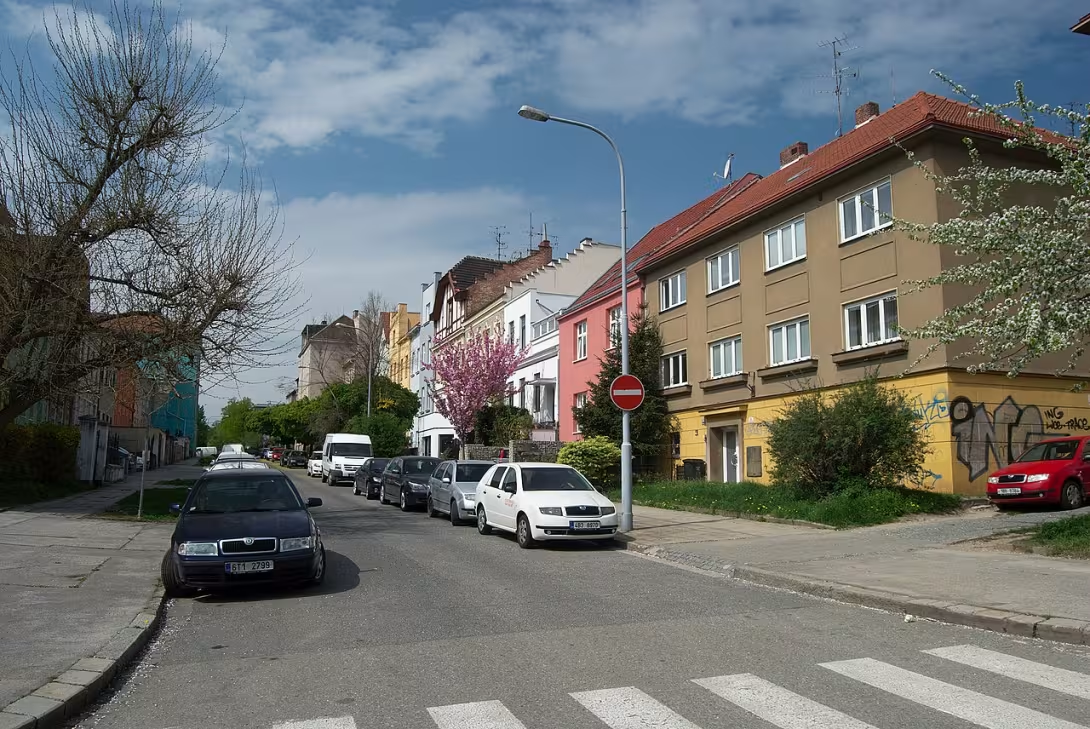

Historyczny widok po lewej to wizualizacja wygenerowana przez sztuczną inteligencję i służy jako inspiracja.
Historyczne kamienie milowe
- 1900
- Budowa sýpki w wiosce Blatnica
Ciekawostki
– Jest to naczelny zabytek kultury Słowacji. – Zbudowany w roku 1900, przedstawia elementy ludowej architektury XIX wieku. – Jest to kamienna konstrukcja murarska odzwierciedlająca tradycyjne techniki regionalnego projektowania architektonicznego.
Przewodnik
Pokaż tekst przewodnika
Tekst przygotowała sztuczna inteligencja i nie przeszedł kontroli redakcyjnej. Może zawierać nieścisłości.
Welcome to the picturesque village of Blatnica, in the heart of Žilina Region, where time seems to move more slowly and the landscape tells tales of ancient times. Right now, you stand before a structure that may seem unremarkable at first glance, but it actually represents a key element for the survival and stability of past generations. Before you stands a granary. Feel the surrounding silence and imagine the atmosphere here decades or perhaps centuries ago when this building was the center of local economy and a symbol of food security. As its name suggests, the granary served to store grain. In times without modern refrigeration or industrial power, proper care for the harvest was a matter of life and death for the entire community. Grain had to be protected from dampness and pests, so granaries were designed to maintain dryness and ventilation. Although the exact chronology of this particular building's construction in Blatnica is not precisely documented today, its very presence in the region attests to deeply rooted agricultural traditions here. Granaries were built with a practical purpose, yet they also embody an aesthetic of functionality that defined rural architecture. As you now perceive this monument, observe its overall shape. Notice how the building blends into the surrounding environment and which principle dominates it. Looking at the facade and overall construction, consider how technical challenges were addressed in the past. Although we do not know the names of specific architects who designed this project, it is clear that they were people who perfectly understood materials and local natural conditions. Observe the lines of the building and its proportions. Notice how the structure is oriented in space to best utilize natural ventilation and protect valuable contents from moisture. It is precisely in these seemingly mundane details that the genius of traditional construction lies, where every element had a specific purpose and nothing was added merely for decoration. Who were the people who encountered this granary every day? Although history has not preserved the names of specific individuals associated with this place, the granary stands as a silent witness to the stories of thousands of nameless farmers, laborers, and local residents. Imagine the men and women who brought heavy loads of grain here after a hard harvest. Hear the sound of creaking carts, the rustle of threshed grains, and the voices of people meeting to agree on dividing the yield. This building was not just a storage place; it was a site of anxiety during bad years when supplies dwindled and a place of great joy in times of abundance. Every corner of this structure bears the mark of hard work and perseverance by those who cultivated the land in Žilina Region and battled harsh mountainous conditions. You might now wonder why we know so few specific facts about this building, why its architects and exact date of construction are unknown. It is precisely in this lack of knowledge that a certain intriguing and almost mythical charm lies. The granary in Blatnica is not a monument to one great ruler or famous architect but rather a monument to collective memory. It is a mystery shrouded by time, yet it also gives the building a universal character. It has become part of the landscape as naturally as the surrounding trees or hills themselves. Not knowing the exact name of its creator allows us to perceive this monument as the work of an entire community. It speaks of values like bread and security being built together for everyone. Pause for a moment and feel the atmosphere of this place. Try to sense the contrast between today's peace and the dynamism that once prevailed here. The granary teaches us humility and reminds us that our current comfort stands on the shoulders of generations who valued every grain of wheat. It is fascinating how a simple functional object can survive centuries and still tell us a story about basic human needs and humanity’s relationship with the land. As you now slowly take in your last look at this historical monument, perceive it not just as a building but as a silent archive of Blatnica. The granary remains here as a quiet guardian of traditions, inviting us to reflect on what truly endures and what is merely transient. It is a place where practicality meets history, and silence becomes the loudest storyteller. Let's now slowly move forward and continue exploring the beauty and mysteries of this village. Leave with the echoes of ancient harvest sounds in your mind and feel the peace that Blatnica offers you. Thank you for sharing this moment at the granary with us. We wish you an enjoyable continuation of your walks, and we believe that further stops on our tour guide will captivate you and inspire more discoveries. We bid you farewell at this monument, but the spirit of ancient times will accompany you throughout your journey.
Wskazówki dla odwiedzających
Sypka w Blatnicy jest interesującym pomnikem położonym w małej wiosce. Jest to tradycyjne budynku, dlatego zaleca się noszenie wytrzymałych obuwia na wypadek nierównych powierzchni lub trawiastych obszarów wokół konstrukcji. Najlepszy czas na zdjęcia to rano lub wieczorem, kiedy światło jest miękkie i tworzy interesujące efekty cieni na drewnianym budynku. Okolice sypki oferują możliwość eksploracji lokalnej architektury oraz naturalnego otoczenia wioski Blatnica. Ten obiekt jest również odpowiedni dla rodzin z dziećmi, gdzie mogą one obserwować tradycyjną folklorystyczną architekturę i naturę bez wymagającej fizycznej aktywności.
Częste pytania
Czy zabytek można zwiedzić?
To budynek mieszkalny lub gospodarczy, a nie muzeum z godzinami otwarcia. Obejrzyj go z przestrzeni publicznej i uszanuj prywatność właścicieli. Nie mamy informacji o dostępie do wnętrza.
Gdzie znajduje się zabytek?
Lokalizacja: Blatnica, Žilinský kraj. Dokładne miejsce pokazuje mapa na tej stronie.
Dlaczego zabytek jest chroniony?
Zabytek jest wpisany do Centralnego Wykazu Zasobu Zabytkowego Republiki Słowackiej jako narodowy zabytek kultury (nr ÚZPF 316-11736).
Pre deti
Zamknij oczy i wyobraź sobie krok w maszynie czasu. Krzak, iskry, bum! Przeniesiono Cię dokładnie 126 lat wstecz. Rok to 1900 w malowniczym wiosce Blatnica. Powietrze jest świeże i zapachne roślinami, a słychać tylko kłusek koni i śmiech dzieci. Tu, pośród krajobrazu, tworzy się coś bardzo ważnego. Nie jest to zamek ani pałac, ale budowla, która była jak olbrzymia skrzynka z klejnotami dla ludzi tamtych czasów. Jak wyglądało to wtedy? Wyobraź sobie pola po polach złotego pszenicy kołyszące się delikatnie w miękkim wietrze jak nieskończona morze.
Sezonowe rekomendacje
Wiosną obszar wokół sýpki w Blatnicy jest otoczony trawą i kwitnącymi drzewami. W Žilinském kraju pogoda może być zmiennej podczas tej porze roku, dlatego zalecamy ubrania warstwowe. Najlepiej odwiedzić w najwcześniejszych godzinach.
Latem liczba odwiedzających jest większa. Ze względu na tłumy i wysokie temperatury, zaleca się przybycie prawie rano. Lekkie, przewiewne ubrania oraz ochrona przed słońcem są zalecane.
W jesieni Blatnica przynosi zmianę kolorów w krajobrazie i poranne mgły. Na spacery odpowiednie będą buty na deszcz i cieplejszy sweter. Zalecamy odwiedzenie w południe, gdy niskie słońce podkreśla teksturę ścian.
Zimą obszar wokół sýpki jest pokryty śniegiem. Zaleca się ciepłe funkcjonalne ubrania i obuwie z antypoślizgowymi podkładkami.
Wizualizacje i widoki artystyczne

Wizualizacje są generowane przez sztuczną inteligencję i służą jako inspiracja.
Wskazówki od odwiedzających
Brak wskazówek. Bądź pierwszy!
Zaloguj się i dodaj swoją wskazówkę.
Więcej zabytków – Blatnica
Pokaż wszystko w gminie

Zdjęcia odwiedzających
Brak zdjęć. Bądź pierwszy, kto doda zdjęcie z wizyty!
Zaloguj się i dodaj swoje zdjęcie albo oceń.
Za wizytę potwierdzoną w aplikacji dostajesz więcej punktów — po GPS poznamy, że jesteś na miejscu.
Recenzje i komentarze