








sýpka Granary
The granary in the village of Blatnica, located in the Žilina Region, is a national cultural monument of Slovakia. This structure, registered under number ÚZPF 316-11736, was built in 1900 and represents elements of 19th-century folk architecture.
The monument site consists of a single structure—a stone masonry granary, which is an example of folk construction from this period. Its current state allows visitors to appreciate the historical significance of this monument.
As part of the site, the granary possesses characteristic features typical of such 19th-century buildings. Its masonry and stone construction reflects the traditional techniques used in regional folk architectural design.
The monument is located within the cadastral area of the village of Blatnica. The current state of the granary allows visitors to appreciate the historical significance of this monument.
The granary in Blatnica is a fascinating feature of the village, attracting not only local residents but also visitors from other places. A visit to this monument offers a glimpse into Slovakia's historical construction and contributes to an understanding of 19th-century regional architecture and traditions.
Tehdy a dnes
Drag the slider and compare how the monument might have looked when it was built with the view today.
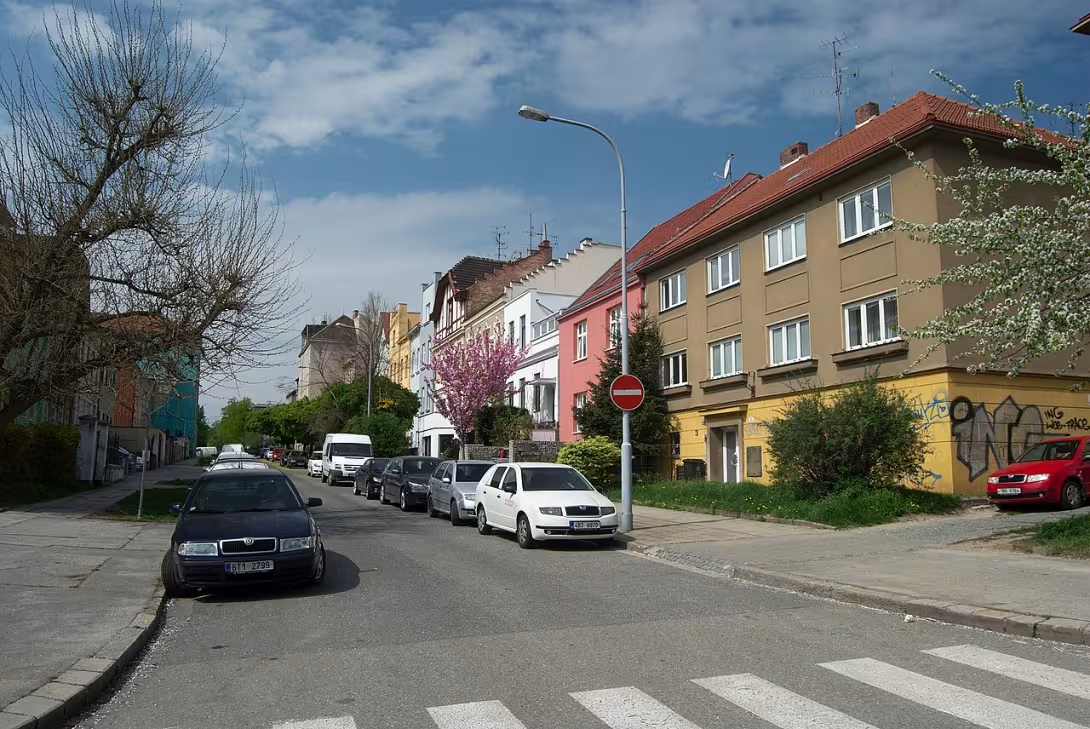

The historical view on the left is a visualisation generated by artificial intelligence and serves as inspiration.
Historical Milestones
- 1900
- Construction of the granary in the village of Blatnica
Interesting facts
– It is a national cultural monument of Slovakia. – Built in 1900, it represents elements of 19th-century folk architecture. – It is a masonry stone structure that reflects the traditional techniques of regional folk architectural design.
Guide
Show guide text
The text was prepared by artificial intelligence and has not been editorially reviewed. It may contain inaccuracies.
Welcome to the picturesque village of Blatnica, in the heart of Žilina Region, where time seems to move more slowly and the landscape tells tales of ancient times. Right now, you stand before a structure that may seem unremarkable at first glance, but it actually represents a key element for the survival and stability of past generations. Before you stands a granary. Feel the surrounding silence and imagine the atmosphere here decades or perhaps centuries ago when this building was the center of local economy and a symbol of food security. As its name suggests, the granary served to store grain. In times without modern refrigeration or industrial power, proper care for the harvest was a matter of life and death for the entire community. Grain had to be protected from dampness and pests, so granaries were designed to maintain dryness and ventilation. Although the exact chronology of this particular building's construction in Blatnica is not precisely documented today, its very presence in the region attests to deeply rooted agricultural traditions here. Granaries were built with a practical purpose, yet they also embody an aesthetic of functionality that defined rural architecture. As you now perceive this monument, observe its overall shape. Notice how the building blends into the surrounding environment and which principle dominates it. Looking at the facade and overall construction, consider how technical challenges were addressed in the past. Although we do not know the names of specific architects who designed this project, it is clear that they were people who perfectly understood materials and local natural conditions. Observe the lines of the building and its proportions. Notice how the structure is oriented in space to best utilize natural ventilation and protect valuable contents from moisture. It is precisely in these seemingly mundane details that the genius of traditional construction lies, where every element had a specific purpose and nothing was added merely for decoration. Who were the people who encountered this granary every day? Although history has not preserved the names of specific individuals associated with this place, the granary stands as a silent witness to the stories of thousands of nameless farmers, laborers, and local residents. Imagine the men and women who brought heavy loads of grain here after a hard harvest. Hear the sound of creaking carts, the rustle of threshed grains, and the voices of people meeting to agree on dividing the yield. This building was not just a storage place; it was a site of anxiety during bad years when supplies dwindled and a place of great joy in times of abundance. Every corner of this structure bears the mark of hard work and perseverance by those who cultivated the land in Žilina Region and battled harsh mountainous conditions. You might now wonder why we know so few specific facts about this building, why its architects and exact date of construction are unknown. It is precisely in this lack of knowledge that a certain intriguing and almost mythical charm lies. The granary in Blatnica is not a monument to one great ruler or famous architect but rather a monument to collective memory. It is a mystery shrouded by time, yet it also gives the building a universal character. It has become part of the landscape as naturally as the surrounding trees or hills themselves. Not knowing the exact name of its creator allows us to perceive this monument as the work of an entire community. It speaks of values like bread and security being built together for everyone. Pause for a moment and feel the atmosphere of this place. Try to sense the contrast between today's peace and the dynamism that once prevailed here. The granary teaches us humility and reminds us that our current comfort stands on the shoulders of generations who valued every grain of wheat. It is fascinating how a simple functional object can survive centuries and still tell us a story about basic human needs and humanity’s relationship with the land. As you now slowly take in your last look at this historical monument, perceive it not just as a building but as a silent archive of Blatnica. The granary remains here as a quiet guardian of traditions, inviting us to reflect on what truly endures and what is merely transient. It is a place where practicality meets history, and silence becomes the loudest storyteller. Let's now slowly move forward and continue exploring the beauty and mysteries of this village. Leave with the echoes of ancient harvest sounds in your mind and feel the peace that Blatnica offers you. Thank you for sharing this moment at the granary with us. We wish you an enjoyable continuation of your walks, and we believe that further stops on our tour guide will captivate you and inspire more discoveries. We bid you farewell at this monument, but the spirit of ancient times will accompany you throughout your journey.
Tips for visitors
The granary in Blatnica is an interesting monument located in a small village. It is a traditional building, so it is recommended to wear sturdy footwear in case of uneven surfaces or grassy areas around the structure. The best time for photography is in the morning or evening when the light is soft and creates interesting shadow effects on the wooden construction. The surroundings of the granary offer an opportunity to explore local architecture and the natural environment of Blatnica village. This site is also suitable for families with children, where they can observe traditional folk architecture and nature without demanding physical exertion.
Frequently asked questions
Can the monument be visited?
This is a residential or farm building, not a museum with opening hours. Please view it from public space and respect the owners' privacy. We have no information about access to the interior.
Where is the monument?
Location: Blatnica, Žilinský kraj. The map on this page shows the exact spot.
Why is the monument protected?
It is listed in the Central List of the Monuments Fund of the Slovak Republic as a national cultural monument (ÚZPF no. 316-11736).
For children
Close your eyes and imagine stepping into a time machine. Crackle, flash, and boom! You're transported exactly 126 years back. It's the year 1900 in the picturesque village of Blatnica. The air smells fresh with plants, and you can hear only the whinnying of horses and children’s laughter. Right here, amidst the landscape, something very important is being created. It isn't a castle or palace, but a building that was like a giant treasure chest for people back then. What did it look like at that time?
Seasonal recommendations
In spring, the area around the granary in Blatnica is surrounded by grass and blooming trees. In Žilina Region, the weather can be changeable during this season, so we recommend layered clothing. It's best to visit in the early hours.
During summer, visitor numbers are higher. Due to crowds and high temperatures, it's advisable to arrive almost in the morning. Light, breathable clothing and sun protection are recommended.
In autumn, Blatnica brings a change of colors in the landscape and morning mists. For walks, waterproof shoes and a warmer sweater are suitable. We recommend visiting in the afternoon when the low sun highlights the texture of the walls.
In winter, the area around the granary is snow-covered. Warm functional clothing and footwear with anti-slip soles are recommended.
Visualisations and artistic views

The visualisations are generated by artificial intelligence and serve as inspiration.
Visitor Tips
No tips yet. Be the first!
Log in and add your tip.
More monuments – Blatnica
Show all in the town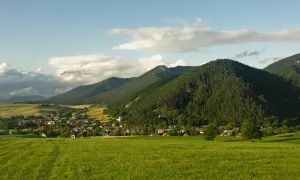
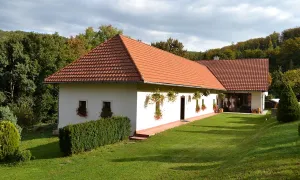


Visitor photos
No photos yet. Be the first to add a photo from your visit!
Log in and add your photo or leave a rating.
You get more points for a visit verified in the app — we can tell from the GPS that you are there.
Reviews and comments