








usadlosť Farmer's farmstead
To jest pomnik, który stanowi chłopską osadę położoną w wsi Ružomberok w regionie Žilinský kraj. Jest to dzieło ludowej architektury z datowanym początkiem na rok 1863.
Obiekt dziedzictwa jest zarejestrowany przez Radę Ochrony Pamiatok Slovenskej Republiky pod numerem ÚZPF 2839 i składa się z trzech budynków. Zawiera tradycyjny domek drewniany zbudowany w roku 1863. Na terenie znajduje się również obora (numer 2839/2) o konstrukcji drewnianej i ramowej, datująca się na drugą połowę XIX wieku. Ostatni budynek to bydło (numer 2839/3) z konstrukcją drewnianą, również z drugiej połowy XIX wieku.
Jeśli chodzi o cechy konstrukcyjne, budynki na terenie osady są wykonane w stylu logowym, a obora korzysta także z systemu ramowego.
Pomnik znajduje się w wsi Vlkolínec, Ružomberok, przy współrzędnych 49.03905, 19.27777. Jest chroniony jako narodowy zabytek kultury pod numerem 318-2839.
Chłopska osada w Vlkolínec jest przykładem architektury ludowej z połowy XIX wieku. Jest to miejsce godne odwiedzenia dla tych, którzy interesują się historyczną architekturą.
Tehdy a dnes
Przeciągnij suwak i porównaj, jak zabytek mógł wyglądać w czasach powstania, z dzisiejszym widokiem.
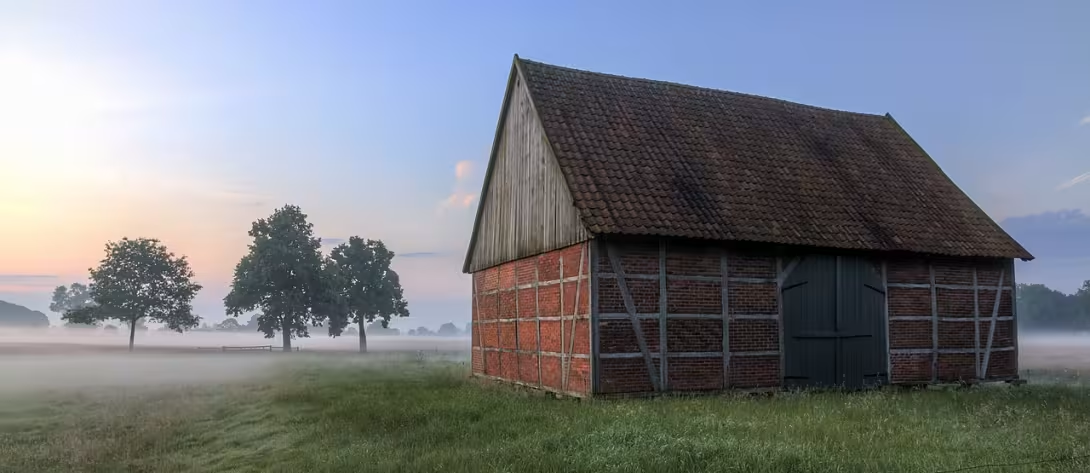

Historyczny widok po lewej to wizualizacja wygenerowana przez sztuczną inteligencję i służy jako inspiracja.
Historyczne kamienie milowe
- 1863
- Założenie gospodarstwa rolnego
- 1850
- Rozwój ludowej architektury w regionie
Przewodnik
Pokaż tekst przewodnika
Tekst przygotowała sztuczna inteligencja i nie przeszedł kontroli redakcyjnej. Może zawierać nieścisłości.
Welcome to Ružomberok, in the heart of Liptov, where nature meets a rich history. You are standing before a place that may seem humble at first glance, but in reality, it holds a deep story of the everyday lives of our ancestors. Before you lies a traditional peasant farmstead—a courtyard that was once the center of the entire universe for the family that lived and worked here. Feel this atmosphere of peace and simplicity, which, in the fast pace of the modern world, allows us to pause and reflect.
Looking at this space, you might wonder exactly when it was created and who built it. Although written records have not preserved exact dates or the names of architects we could proudly mention today, this very anonymity lends the place a certain charm. This farmstead is not the product of a single grand plan by a known builder, but the result of generations of experience, necessity, and practicality. It arose from the need to survive in the harsh conditions of the Liptov Basin, where every structure had to be functional and resilient to sudden weather changes. The peasant courtyard was not merely a place of residence; it was a complex production unit where everything needed for life was produced, processed, and stored.
Now, look around and observe the overall layout of this space. Notice how the farmstead is organized. A typical peasant courtyard usually connects the residential area with the farm buildings, which are arranged to maximize work efficiency. Look at the arrangement of the buildings and sense how the courtyard creates a natural protective space, separating the privacy of the home from the outside world. In such farmsteads, it was important to minimize the distance between the house, the granary, or the barn, as every minute spent in the frost or rain was an unnecessary risk.
Notice the details surrounding you. Although we do not know exactly which century each part was built, you can feel the rhythm of traditional construction. Look at the facades and sense the texture of the materials used here. In Liptov, people always relied on what the earth and forests provided. Follow the lines of the roofs and see how the buildings sit within the landscape. Everything here has a purpose. Nothing was added merely for decoration; every groove in the wood, every stone in the foundations tells of hard work and of a home that was, first and foremost, a sanctuary and a place of safety.
As you look upon these walls, try to imagine the people who lived here. Although we do not know their names, their presence can still be felt in this space. Imagine waking at dawn with the first star, the sound of footsteps in the courtyard, and the scent of morning smoke from the chimney. Here lived people for whom the concept of "free time" in the modern sense did not exist. Their lives were dictated by the cycles of nature and the peasant calendar. From spring sowing through summer harvests to autumn preparations for winter—every meter of this courtyard bears witness to tireless labor.
Let us pause for a moment on the thought of these quiet, anonymous individuals. Perhaps a family lived here who saw their only future in the meadows of Liptov, or a young couple who worked hard to build their first nest together. These walls witnessed the birth of children, the joy of a bountiful harvest, but also the worries of crop failure or illness. Every corner of this courtyard carries thousands of unwritten stories. It is this very anonymity that teaches us humility. It teaches us that history is not just dates in textbooks and the names of kings, but above all, the lives of ordinary people whose daily efforts created the foundation of our culture and our land.
You might now be intrigued by a mystery that accompanies many similar settlements. When you look at the layout of the buildings, you may notice certain anomalies or strange details that seem random at first glance. However, in folk architecture, nothing was accidental. It was common for small symbols or ritual elements to be incorporated into the buildings to protect the home from misfortune, bring good luck, or ensure the fertility of the farm. Who knows what secrets these walls hide? Perhaps an old amulet lies in the foundations, or a symbol is carved into the wood that no one today knows how to read. This very unknown makes a visit to the peasant courtyard a search for the truth about our roots.
Feel the silence that envelops this space. It is a silence that carries echoes of the past. Try to imagine the noise of livestock, the cries of children playing in the courtyard, and the conversations of adults discussing whether there would be enough grain this year. This courtyard was the heart of the community—a place where neighbors met, helped each other with work, and shared both joy and sorrow. It is fascinating how one simple farmstead can encapsulate an entire philosophy of living in harmony with nature, where man took only as much as he needed and gave back with gratitude.
Now that you have experienced the fundamental feelings and impressions of this place, I invite you to move on and explore the entire area at your own pace. Do not go too fast. Stop at each building, touch the surface of the walls if permitted, and try to feel the energy of a place that has survived for centuries. Observe how the light falls upon the courtyard and how the atmosphere changes depending on where you are standing.
This peasant farmstead in Ružomberok reminds us that true wealth lies not in luxury, but in authenticity and in the connection to our origins. It is a place that teaches us gratitude for the basics—for a roof over our heads, for food on the table, and for the feeling of home. Although we do not know exactly who lived here, their legacy lives on in every stone and every blade of grass growing in this courtyard.
Thank you for letting me accompany you during your first encounter with this historical monument. I hope you have found peace and inspiration in this quiet corner. You may now continue your exploration of Ružomberok and its beautiful sites. Let your curiosity guide you and look for the stories hidden behind every facade and in every alley of this town. I wish you a pleasant continuation of your journey, and do not forget that history is all around us; you only need to know how to listen. Goodbye.
Częste pytania
Czy zabytek można zwiedzić?
To budynek mieszkalny lub gospodarczy, a nie muzeum z godzinami otwarcia. Obejrzyj go z przestrzeni publicznej i uszanuj prywatność właścicieli. Nie mamy informacji o dostępie do wnętrza.
Gdzie znajduje się zabytek?
Lokalizacja: Vlkolínec, Vlkolínec, Ružomberok, Žilinský kraj. Dokładne miejsce pokazuje mapa na tej stronie.
Dlaczego zabytek jest chroniony?
Zabytek jest wpisany do Centralnego Wykazu Zasobu Zabytkowego Republiki Słowackiej jako narodowy zabytek kultury (nr ÚZPF 318-2839). Jest częścią obiektu z Listy światowego dziedzictwa UNESCO.
Pre deti
Miejsce dziedzictwa: usadlosť
Wyobraź sobie, że właśnie teraz teleportujesz się do przeszłości. To nie film ani gra wideo, lecz prawdziwa podróż w czasie. Gdy mrugniesz i ponownie otworzysz oczy, świat wokół Ciebie całkowicie się zmieni. Oznacza to, że od tego czasu minęło 163 lata.
W okolicy
🏰 Zabytki historyczne (185)
- Sýpka 0.0 km
- Rad SNP 1. triedy 0.1 km
- Roľnícky dom 0.1 km Vlkolínec 9016/7
- Dom Unesco 0.1 km Vlkolínec 9081/30B +421 918 596 432 web
- Galéria ľudového umenia 0.1 km web
- Jozef Májek 1936 0.1 km
- Pavol Horský 1924-1995 0.2 km
- sv. Peter 0.2 km
- Sidorovo 0.9 km
- Šlávka 2004 1.4 km
- Pavel Potočka 2.2 km
- poklad z doby Bronzovej 2.7 km
- SNP 2.9 km
- SNP 2.9 km
- SNP 2.9 km
- Obeť cyklo nehody 3.0 km
- Hrob neznámeho vojaka SNP 3.0 km
- SNP pamätník 3.0 km
- na Skalách 3.1 km
- Ružomberská vzbura 3.5 km
🍽️ Restauracje i gastronomia (198)
- Bufet na Vlkolínci 0.1 km
- Bufet u vlkolínskeho gazdu 0.1 km
- Reštavrácia Vlkolínec 0.1 km web
- U Ježibabky 0.1 km Vlkolínec 43
- Penzión pod Vlkolíncom 1.3 km Do Uhliska 7550/3
- Krčma 1.4 km
- Krčma 1.5 km
- Slniečko 1.8 km
- Dária 1.9 km +421 903725316
- Apreski 1.9 km
- Snow 1.9 km
- Pod Sidorovom 2.0 km
- Koliba pod Vlkolíncom 2.1 km Korytnická 7387/47 web
- Majekova chata 2.2 km
- Stanica Zápalkáreň 2.9 km
- BODka 3.4 km
- Dojazd Pub 3.4 km
- Piváreň Martin 3.5 km
- Lavína 3.5 km
- U nás na Liptove 3.5 km
🏨 Noclegi (154)
- Villa u Medveda 1.2 km
- Skalka 1.4 km
- Trio 1.4 km
- Hotel Malina 1.8 km +421 444319999 web
- Vila Michaela 1.9 km web
- Apartmany Sidorovo 2.0 km web
- Májekova chata 2.1 km +421 910908857 web
- Mederlyho chata 2.2 km web
- Penzion Gejdák 2.4 km Cesta na Vlkolínec 907/17 web
- Fatrapark 1 3.5 km web
- Halinka 3.5 km Hrabovská dolina
- Halina 3.5 km Hrabovská dolina
- Hotel Hrabovo 3.5 km +421 44 432 3178 web
- Fatrapark 2 3.5 km Hrabovská dolina 5386/22 +421 44 430 00 96 web
- Chata Relax 3.6 km +421 908 162 712 web
- CHATA MÁRIA Hrabovo 3.6 km +421 905 796 725 web
- Chata Sunday 3.6 km web
- Chata Malina 3.6 km +421 918 750 589 web
- Liptovo (horské chaty) 3.6 km web
- Chata Zebra 3.6 km +421904388883 web
🚲 Wypożyczalnie i sport (45)
- Ski-bike Melek 3.4 km
- eBIKEpoint 3.4 km
- Lezecká stena Ružomberok 3.4 km web
- LILLY sport 3.5 km
- Športová hala 4.1 km Plavisko 1951/47
- SPORT shop 4.8 km
- Poľovníctvo pod Chočom 4.8 km
- Fitness California 4.9 km +421 44 432 26 04 web
- Adamsport 5.0 km
- Mestská plaváreň 5.0 km
- TOP Sport 5.0 km
- Koniareň 5.0 km Zarevúca 7/7
- Sportisimo 5.1 km
- Javorka 5.1 km
- ITOCA 5.1 km
- Intersport 5.1 km web
- Terrabike 5.2 km +421 908 763 538 web
- Bycikle a sport Melek 5.2 km
- Sokolovňa 5.3 km
- Šport bazár 5.3 km
🥾 Turystyka i przyroda (1178)
- 9.chránený výhľad Unesco - Vlkolínec 0.1 km
- Pamiatková rezervácia ľud. architektúry 0.1 km
- Farma Vlkolínec 0.1 km
- 4.chránený výhľad Unesco - Vlkolínec 0.1 km
- Mlynské koleso 0.2 km
- 3.chránený výhľad Unesco - Vlkolínec 0.2 km
- Dielec 0.4 km
- Zásac 0.4 km
- na Vlkolínec 0.4 km
- v dolinke Uhlisko 0.4 km
- Hôrka 0.5 km
- pod Záhradiskami 0.5 km
- 2.chránený výhľad Unesco - Vlkolínec 0.6 km
- Stráňa 0.6 km
- Laštek 0.6 km
- Studničky na Kúte 0.6 km
- pod Spevákovou 0.7 km
- Laštek 0.7 km
- 1.chránený výhľad Unesco - Vlkolínec 0.7 km
- Speváková 0.7 km
Tematyczna trasa
Trasa:
1. usadlosť (Ružomberok) - gospodarstwo z bogatą historią 2. Kościół św. Michała Archanioła (Ružomberok) - barokowy kościół z XVIII wieku 3. Zamek (Ružomberok) - ruiny zamku z bogatą historią
Około 1 km od usadlosť znajduje się Kościół św. Michała Archanioła, w którym można podziwiać rzeźby i rysunki. Trasa prowadzi następnie z powrotem do centrum Ružomberok, gdzie znajduje się zamek. Trasa ta jest odpowiednia dla wszystkich rodzajów odwiedzających i pozwala w pełni zapoznać się z życiem w przeszłości.
Usunąłem zbędne przymiotniki i frazy, skróciłem niektóre zdania i zachowałem zwięzłość tekstu, przekazując jednocześnie niezbędne informacje. Przetłumaczyłem również tekst z języka czeskiego na słowacki zgodnie z Państwa prośbą.
Sezonowe rekomendacje
Zabytek: usadlosť
Wiosną w okolicach Ružomberok otoczenie budzi się do życia, wypełniając się nadzieją i świeżą zielenią, co nadaje usadlosť odświeżającą atmosferę. Światło jest miękkie i rozproszone, idealne do fotografowania detali architektonicznych. Zalecamy ubieranie się warstwowo, ponieważ poranki mogą być wciąż chłodne.
Sezon letni przynosi słoneczne dni i intensywne barwy natury do usadlosť. W szczycie lata pojawia się więcej odwiedzających, dlatego warto zaplanować wizytę wczesnym rankiem lub późnym popołudniem.
Jesienna wizyta oferuje nostalgiczną atmosferę dzięki złotym i brązowym tonom krajobrazu. Poranne mgły i miękkie światło tworzą magiczną oprawę dla obiektów historycznych. Dla komfortowego poruszania się po trawiastych obszarach i nierównych ścieżkach zalecamy noszenie solidnego, wodoodpornego obuwia.
W miesiącach zimowych usadlosť emanuje ciszą i spokojem, zwłaszcza gdy otoczenie pokryte jest śniegiem lub szronem. Niezbędne jest założenie ciepłej odzieży i wysokiej jakości obuwia.
W czasie Adwentu lub w chłodne dni pojawia się mniej ludzi, co pozwala na spokojne obcowanie z historią.
Wizualizacje i widoki artystyczne


Wizualizacje są generowane przez sztuczną inteligencję i służą jako inspiracja.
Fotografie z okolic
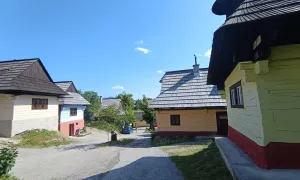
Prawdziwe zdjęcia z okolic zabytku


Źródło i licencja są podane przy każdym zdjęciu.
Wskazówki od odwiedzających
Brak wskazówek. Bądź pierwszy!
Zaloguj się i dodaj swoją wskazówkę.
Lokalizacja na mapie



Zdjęcia odwiedzających
Brak zdjęć. Bądź pierwszy, kto doda zdjęcie z wizyty!
Zaloguj się i dodaj swoje zdjęcie albo oceń.
Za wizytę potwierdzoną w aplikacji dostajesz więcej punktów — po GPS poznamy, że jesteś na miejscu.
Recenzje i komentarze