








usadlosť Farmer's farmstead
This monument is a peasant farmstead located in the village of Ružomberok in the Žilina Region. It is a piece of folk architecture dating back to 1863.
The heritage site is registered by the Monuments Board of the Slovak Republic under number ÚZPF 2839 and consists of three structures. It comprises a traditional log house built in 1863. The site also includes a barn (number 2839/2) with log and timber frame construction, dating to the second half of the 19th century. The final structure is a byre (number 2839/3) with log construction, also dating to the second half of the 19th century.
In terms of construction characteristics, the structures within the site are built in the log style, with the barn also utilizing a timber frame system.
The monument is located in the village of Vlkolínec, Ružomberok, at coordinates 49.03905, 19.27777. It is protected as a national cultural monument under number 318-2839.
This peasant farmstead in Vlkolínec represents an example of mid-19th-century folk architecture. It is a site well worth visiting for those interested in historical architecture.
Tehdy a dnes
Drag the slider and compare how the monument might have looked when it was built with the view today.
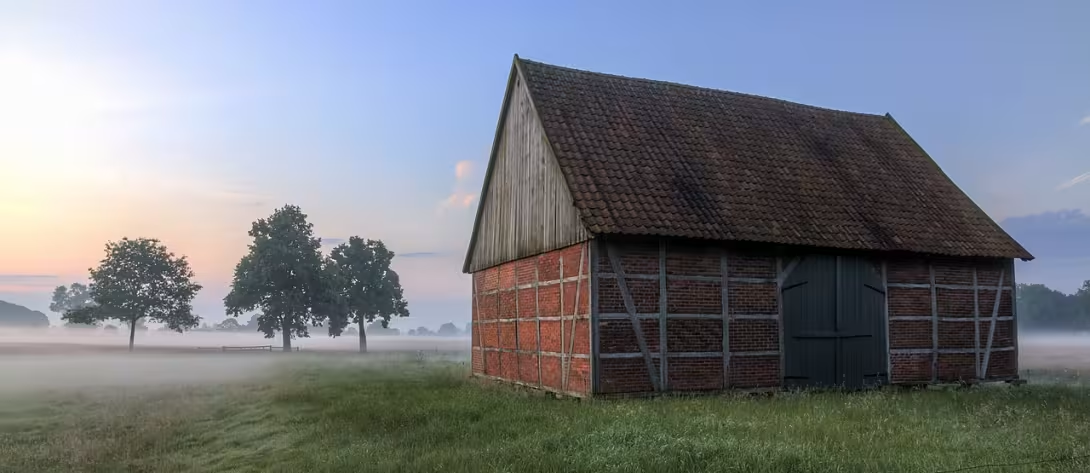

The historical view on the left is a visualisation generated by artificial intelligence and serves as inspiration.
Historical Milestones
- 1863
- The establishment of the farmstead
- 1850
- The development of vernacular architecture in the region
Guide
Show guide text
The text was prepared by artificial intelligence and has not been editorially reviewed. It may contain inaccuracies.
Welcome to Ružomberok, in the heart of Liptov, where nature meets a rich history. You are standing before a place that may seem humble at first glance, but in reality, it holds a deep story of the everyday lives of our ancestors. Before you lies a traditional peasant farmstead—a courtyard that was once the center of the entire universe for the family that lived and worked here. Feel this atmosphere of peace and simplicity, which, in the fast pace of the modern world, allows us to pause and reflect.
Looking at this space, you might wonder exactly when it was created and who built it. Although written records have not preserved exact dates or the names of architects we could proudly mention today, this very anonymity lends the place a certain charm. This farmstead is not the product of a single grand plan by a known builder, but the result of generations of experience, necessity, and practicality. It arose from the need to survive in the harsh conditions of the Liptov Basin, where every structure had to be functional and resilient to sudden weather changes. The peasant courtyard was not merely a place of residence; it was a complex production unit where everything needed for life was produced, processed, and stored.
Now, look around and observe the overall layout of this space. Notice how the farmstead is organized. A typical peasant courtyard usually connects the residential area with the farm buildings, which are arranged to maximize work efficiency. Look at the arrangement of the buildings and sense how the courtyard creates a natural protective space, separating the privacy of the home from the outside world. In such farmsteads, it was important to minimize the distance between the house, the granary, or the barn, as every minute spent in the frost or rain was an unnecessary risk.
Notice the details surrounding you. Although we do not know exactly which century each part was built, you can feel the rhythm of traditional construction. Look at the facades and sense the texture of the materials used here. In Liptov, people always relied on what the earth and forests provided. Follow the lines of the roofs and see how the buildings sit within the landscape. Everything here has a purpose. Nothing was added merely for decoration; every groove in the wood, every stone in the foundations tells of hard work and of a home that was, first and foremost, a sanctuary and a place of safety.
As you look upon these walls, try to imagine the people who lived here. Although we do not know their names, their presence can still be felt in this space. Imagine waking at dawn with the first star, the sound of footsteps in the courtyard, and the scent of morning smoke from the chimney. Here lived people for whom the concept of "free time" in the modern sense did not exist. Their lives were dictated by the cycles of nature and the peasant calendar. From spring sowing through summer harvests to autumn preparations for winter—every meter of this courtyard bears witness to tireless labor.
Let us pause for a moment on the thought of these quiet, anonymous individuals. Perhaps a family lived here who saw their only future in the meadows of Liptov, or a young couple who worked hard to build their first nest together. These walls witnessed the birth of children, the joy of a bountiful harvest, but also the worries of crop failure or illness. Every corner of this courtyard carries thousands of unwritten stories. It is this very anonymity that teaches us humility. It teaches us that history is not just dates in textbooks and the names of kings, but above all, the lives of ordinary people whose daily efforts created the foundation of our culture and our land.
You might now be intrigued by a mystery that accompanies many similar settlements. When you look at the layout of the buildings, you may notice certain anomalies or strange details that seem random at first glance. However, in folk architecture, nothing was accidental. It was common for small symbols or ritual elements to be incorporated into the buildings to protect the home from misfortune, bring good luck, or ensure the fertility of the farm. Who knows what secrets these walls hide? Perhaps an old amulet lies in the foundations, or a symbol is carved into the wood that no one today knows how to read. This very unknown makes a visit to the peasant courtyard a search for the truth about our roots.
Feel the silence that envelops this space. It is a silence that carries echoes of the past. Try to imagine the noise of livestock, the cries of children playing in the courtyard, and the conversations of adults discussing whether there would be enough grain this year. This courtyard was the heart of the community—a place where neighbors met, helped each other with work, and shared both joy and sorrow. It is fascinating how one simple farmstead can encapsulate an entire philosophy of living in harmony with nature, where man took only as much as he needed and gave back with gratitude.
Now that you have experienced the fundamental feelings and impressions of this place, I invite you to move on and explore the entire area at your own pace. Do not go too fast. Stop at each building, touch the surface of the walls if permitted, and try to feel the energy of a place that has survived for centuries. Observe how the light falls upon the courtyard and how the atmosphere changes depending on where you are standing.
This peasant farmstead in Ružomberok reminds us that true wealth lies not in luxury, but in authenticity and in the connection to our origins. It is a place that teaches us gratitude for the basics—for a roof over our heads, for food on the table, and for the feeling of home. Although we do not know exactly who lived here, their legacy lives on in every stone and every blade of grass growing in this courtyard.
Thank you for letting me accompany you during your first encounter with this historical monument. I hope you have found peace and inspiration in this quiet corner. You may now continue your exploration of Ružomberok and its beautiful sites. Let your curiosity guide you and look for the stories hidden behind every facade and in every alley of this town. I wish you a pleasant continuation of your journey, and do not forget that history is all around us; you only need to know how to listen. Goodbye.
Frequently asked questions
Can the monument be visited?
This is a residential or farm building, not a museum with opening hours. Please view it from public space and respect the owners' privacy. We have no information about access to the interior.
Where is the monument?
Location: Vlkolínec, Vlkolínec, Ružomberok, Žilinský kraj. The map on this page shows the exact spot.
Why is the monument protected?
It is listed in the Central List of the Monuments Fund of the Slovak Republic as a national cultural monument (ÚZPF no. 318-2839). It is part of a UNESCO World Heritage Site.
For children
Heritage site: farmstead
Imagine you are teleporting into the past right now. It is not a movie or a video game, but a real journey through time. When you blink and open your eyes again, the world around you will have completely changed. This means that 163 years have passed since then.
Nearby
🏰 Historic sites (185)
- Sýpka 0.0 km
- Rad SNP 1. triedy 0.1 km
- Roľnícky dom 0.1 km Vlkolínec 9016/7
- Dom Unesco 0.1 km Vlkolínec 9081/30B +421 918 596 432 web
- Galéria ľudového umenia 0.1 km web
- Jozef Májek 1936 0.1 km
- Pavol Horský 1924-1995 0.2 km
- sv. Peter 0.2 km
- Sidorovo 0.9 km
- Šlávka 2004 1.4 km
- Pavel Potočka 2.2 km
- poklad z doby Bronzovej 2.7 km
- SNP 2.9 km
- SNP 2.9 km
- SNP 2.9 km
- Obeť cyklo nehody 3.0 km
- Hrob neznámeho vojaka SNP 3.0 km
- SNP pamätník 3.0 km
- na Skalách 3.1 km
- Ružomberská vzbura 3.5 km
🍽️ Restaurants and dining (198)
- Bufet na Vlkolínci 0.1 km
- Bufet u vlkolínskeho gazdu 0.1 km
- Reštavrácia Vlkolínec 0.1 km web
- U Ježibabky 0.1 km Vlkolínec 43
- Penzión pod Vlkolíncom 1.3 km Do Uhliska 7550/3
- Krčma 1.4 km
- Krčma 1.5 km
- Slniečko 1.8 km
- Dária 1.9 km +421 903725316
- Apreski 1.9 km
- Snow 1.9 km
- Pod Sidorovom 2.0 km
- Koliba pod Vlkolíncom 2.1 km Korytnická 7387/47 web
- Majekova chata 2.2 km
- Stanica Zápalkáreň 2.9 km
- BODka 3.4 km
- Dojazd Pub 3.4 km
- Piváreň Martin 3.5 km
- Lavína 3.5 km
- U nás na Liptove 3.5 km
🏨 Accommodation (154)
- Villa u Medveda 1.2 km
- Skalka 1.4 km
- Trio 1.4 km
- Hotel Malina 1.8 km +421 444319999 web
- Vila Michaela 1.9 km web
- Apartmany Sidorovo 2.0 km web
- Májekova chata 2.1 km +421 910908857 web
- Mederlyho chata 2.2 km web
- Penzion Gejdák 2.4 km Cesta na Vlkolínec 907/17 web
- Fatrapark 1 3.5 km web
- Halinka 3.5 km Hrabovská dolina
- Halina 3.5 km Hrabovská dolina
- Hotel Hrabovo 3.5 km +421 44 432 3178 web
- Fatrapark 2 3.5 km Hrabovská dolina 5386/22 +421 44 430 00 96 web
- Chata Relax 3.6 km +421 908 162 712 web
- CHATA MÁRIA Hrabovo 3.6 km +421 905 796 725 web
- Chata Sunday 3.6 km web
- Chata Malina 3.6 km +421 918 750 589 web
- Liptovo (horské chaty) 3.6 km web
- Chata Zebra 3.6 km +421904388883 web
🚲 Rentals and sport (45)
- Ski-bike Melek 3.4 km
- eBIKEpoint 3.4 km
- Lezecká stena Ružomberok 3.4 km web
- LILLY sport 3.5 km
- Športová hala 4.1 km Plavisko 1951/47
- SPORT shop 4.8 km
- Poľovníctvo pod Chočom 4.8 km
- Fitness California 4.9 km +421 44 432 26 04 web
- Adamsport 5.0 km
- Mestská plaváreň 5.0 km
- TOP Sport 5.0 km
- Koniareň 5.0 km Zarevúca 7/7
- Sportisimo 5.1 km
- Javorka 5.1 km
- ITOCA 5.1 km
- Intersport 5.1 km web
- Terrabike 5.2 km +421 908 763 538 web
- Bycikle a sport Melek 5.2 km
- Sokolovňa 5.3 km
- Šport bazár 5.3 km
🥾 Hiking and nature (1178)
- 9.chránený výhľad Unesco - Vlkolínec 0.1 km
- Pamiatková rezervácia ľud. architektúry 0.1 km
- Farma Vlkolínec 0.1 km
- 4.chránený výhľad Unesco - Vlkolínec 0.1 km
- Mlynské koleso 0.2 km
- 3.chránený výhľad Unesco - Vlkolínec 0.2 km
- Dielec 0.4 km
- Zásac 0.4 km
- na Vlkolínec 0.4 km
- v dolinke Uhlisko 0.4 km
- Hôrka 0.5 km
- pod Záhradiskami 0.5 km
- 2.chránený výhľad Unesco - Vlkolínec 0.6 km
- Stráňa 0.6 km
- Laštek 0.6 km
- Studničky na Kúte 0.6 km
- pod Spevákovou 0.7 km
- Laštek 0.7 km
- 1.chránený výhľad Unesco - Vlkolínec 0.7 km
- Speváková 0.7 km
Thematic route
Route:
1. Farmstead (Ružomberok) - a homestead with a rich history 2. Church of St. Michael the Archangel (Ružomberok) - an 18th-century Baroque church 3. Castle (Ružomberok) - castle ruins with a rich history
Approximately 1 km from the farmstead lies the Church of St. Michael the Archangel, where you can view statues and drawings. The route then leads back to the center of Ružomberok, where the castle is located. This route is suitable for all types of visitors and provides a complete glimpse into life in the past.
I removed the unnecessary adjectives and phrases, shortened some sentences, and kept the text concise while still conveying the necessary information. I also translated the text from Czech to Slovak as per your request.
Seasonal recommendations
Pamiatka: usadlosť
In the spring around Ružomberok, the surroundings come to life with hope and fresh greenery, giving the farm a refreshing atmosphere. The lighting is soft and scattered, ideal for photographing architectural details. We recommend dressing in layers as mornings can still be chilly.
The summer season brings full sunny days and vibrant natural colors to the settlement. During peak summer, there are more visitors, so it's advisable to plan your visit earlier in the morning or later in the afternoon.
An autumn visit offers a nostalgic atmosphere thanks to the golden and brown tones of the landscape. Morning mists and soft light create a magical environment for historical objects. For comfortable movement on grassy areas and uneven paths, we recommend wearing sturdy and waterproof footwear.
In winter months, the farm exudes quietness and peace, especially when the surroundings are covered in snow or frost. It's essential to wear warm clothing and quality shoes.
During Advent or on cold days, there are fewer people around, allowing for a peaceful experience with history.
Visualisations and artistic views


The visualisations are generated by artificial intelligence and serve as inspiration.
Photographs from the area
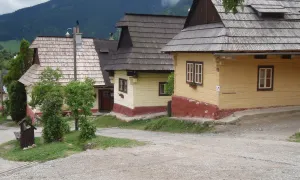
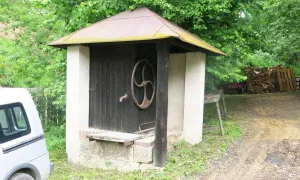
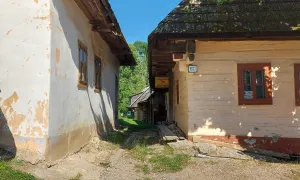
Real photos taken near the monument


Source and licence are given for each image.
Visitor Tips
No tips yet. Be the first!
Log in and add your tip.
Location on Map
More monuments – Ružomberok
Show all in the town


Visitor photos
No photos yet. Be the first to add a photo from your visit!
Log in and add your photo or leave a rating.
You get more points for a visit verified in the app — we can tell from the GPS that you are there.
Reviews and comments