








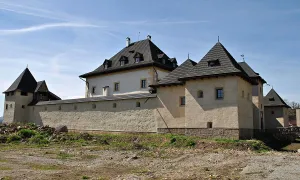
vodný mlyn s areálom Water mill with grounds
Objekt se nedochoval — na místě dnes nestojí. Následující text popisuje jeho historii, ne současnou návštěvu.
Młyn wodny w miejscowości Veľká Franková (powiat preszowski) jest narodowym zabytkiem kultury. Budowla z 1920 roku reprezentuje architekturę ludową.
Obiekt składa się z trzech budowli zarejestrowanych pod numerem ÚZPF 4494. Pierwszą z nich jest murowany młyn wodny z 1920 roku. Drugą jest drewniany dom ludowy z tego samego roku. Trzecim elementem jest śluza, również wzniesiona w 1920 roku.
Charakterystyka budynku młyna wskazuje, że jest to budowla murowana. W dostępnych danych brakuje szczegółów dotyczących układu, liczby kondygnacji, rzutu piętra czy użytych materiałów.
Zabytek jest zarejestrowany w miejscowości Veľká Franková pod numerem ÚZPF 413-4494 i jest chroniony jako narodowy zabytek kultury. Obecny stan budowli jest odnotowany jako zachowany, choć ich przeznaczenie nie zostało określone w rejestrze.
Obiekt zachowuje strukturę techniczną i mieszkalną z okresu po I wojnie światowej.
Ciekawostki
- Młyn wodny jest narodowym zabytkiem kultury. - Obiekt został zrekonstruowany w 1920 roku i reprezentuje architekturę ludową. - Kompleks składa się z trzech obiektów: murowanego młyna wodnego, drewnianego domu ludowego oraz tartaku, wszystkie z 1920 roku. - Zabytek jest zarejestrowany pod numerem ÚZPF 413‑4494. - Zachowuje on układ techniczny i mieszkalny z okresu po I wojnie światowej.
Przewodnik
Pokaż tekst przewodnika
Tekst przygotowała sztuczna inteligencja i nie przeszedł kontroli redakcyjnej. Może zawierać nieścisłości.
Welcome to Veľká Franková. Right now, you are standing before a place that holds a quiet testimony of ancient times and a way of life that is no longer familiar to many of us today. Before you stretches the area of a water mill, a structure that represents an important fragment of our collective memory in the Prešov Region. When you visit the mill, you may primarily sense the peace and silence surrounding this place, but if you stop and close your eyes, you might try to imagine the sound of flowing water, the rhythmic turning of the wheel, and the scent of fresh grain that once filled this entire space. Although the exact chronology of this particular mill's creation is not precisely documented today and the names of its architects have been forgotten, the mere existence of such a significant object tells us much about the history of this area. Water mills were not just simple work buildings; they were centers of economic life for an entire community. In times when humanity relied on the power of nature, water was the most valuable motor. The placement of the mill at this location was not random; it required deep knowledge of the terrain, precise observation of the flow of water, and the ability to work in harmony with the landscape. This area arose from the need to feed the local population and process crops from surrounding fields, becoming an essential link in the chain of survival and prosperity for the community in Veľká Franková. Now I would like to ask you to focus your attention on the architecture itself and the overall layout of the site. Look at how the mill building is situated relative to the surrounding landscape and how naturally it fits into the terrain. Notice how the entire area is organized to maximize the use of available water. Follow the lines of the building and perceive its overall character. Although it may appear simple at first glance, every part of this complex had a precise purpose, from where the water entered the system to the spaces where grain was stored and where the finished product was ultimately found. Look at the details of the façade and how time has left its mark on the surfaces of the building. It is precisely this patina that gives the place its authenticity and reminds us that the mill has survived many generations of people, changing political systems, and natural disasters. As you move around the site, reflect on the people who spent their days here. While we do not know the names of specific individuals associated with this mill, we know who worked here. The miller held a special and often respected position in village hierarchy, sometimes even feared. He was a person who mastered the secrets of water and mechanics, someone who knew how to turn hard grain into fine flour. Imagine the hundreds of people who came here with their sacks of grain, waited in lines, and exchanged news from neighboring villages when the opportunity arose. The mill functioned not only as an industrial object but also as an informal information center for the community. Here disputes were settled, stories about crops, weather, and what the new year would bring were shared. Every corner of this area is filled with invisible tales of hard work, anxiety over poor harvests, and joy from full granary bins. You may now wonder what makes this mill so exceptional. Although we do not see records of major historical events occurring here in its foundations, the mystery of this place lies precisely in its quiet perseverance. How exactly did the mill adapt to new conditions over the centuries remains a question. How often did millers have to repair the wheel after a great flood? It is precisely this unknown that invites us to our own imagination. When you visit the empty spaces of the site, try to fill in those missing pieces of the puzzle. Imagine the sound of wood bending under pressure and the feeling of damp air typical for water structures. The fascination of Veľká Franková's water mill lies precisely in this contrast between today's peace and ancient dynamism. This area reminds us that progress is not only about digital technologies but also about humanity's ability to use what nature provides without destroying it. The water mill is a symbol of sustainability and symbiosis between humans and the water element. It is a place where technology meets nature, and history becomes tangible. In conclusion, I invite you to savor this feeling of peace for a while longer. Take your time walking through the entire area, stop at each element that interests you, and allow yourself a moment to reflect on how much our way of life has changed. The water mill in Veľká Franková may no longer grind grain for the whole community, but it still evokes feelings of respect for our ancestors and their skill. Thank you for your attention and for dedicating time to this historical monument. Now you can continue exploring this beautiful area of the Prešov Region at your leisure. I wish you an enjoyable continuation of your journey and many new experiences. Farewell.
Pre deti
Módl się sobie, że podróżujesz w czasie. Nie jest to zwykła podróż, ale prawdziwa maszyna do podróży w czasie. Przeleciemy 106 długich lat wstecz, dokładnie do roku 1920. Świat wokół Ciebie jest zupełnie inny. Nie ma tabletów, telewizorów ani internetu. Co słyszysz? Tylko szelest liści i stały, rytmiczny dźwięk płynącej wody.
Wskazówki od odwiedzających
Brak wskazówek. Bądź pierwszy!
Zaloguj się i dodaj swoją wskazówkę.
Więcej zabytków – Veľká Franková
Pokaż wszystko w gminie

Zdjęcia odwiedzających
Brak zdjęć. Bądź pierwszy, kto doda zdjęcie z wizyty!
Zaloguj się i dodaj swoje zdjęcie albo oceń.
Za wizytę potwierdzoną w aplikacji dostajesz więcej punktów — po GPS poznamy, że jesteś na miejscu.
Recenzje i komentarze