








Archivár,pedagóg Grave with tombstone
This cultural monument takes the form of a grave with a tombstone. Located in the village Nitra in the Nitra region, specifically in the part Old Town. The monument comes from the first half of the 20th century, while the year of creation is dated from 1932 to 1933 and the building style is realism.
The area of this object is registered by the Monument Office of the Slovak Republic under number ÚZPF 1480. The whole monument consists of one registered part, which is the grave itself with the tombstone, and the author of this proposal is J. Damborský.
The monument is officially led as a national cultural monument under registration number 233-1480. The exact address of its location is in Staré Mesto in the village Nitra.
This tomb with a tombstone represents an interesting material document and a demonstration of the realism of the first half of the 20th century in the region. Visit of this site in Nitra offers a direct view of the specific work of the author J. Damborský, which is protected as part of the national cultural heritage.
Tehdy a dnes
Drag the slider and compare how the monument might have looked when it was built with the view today.
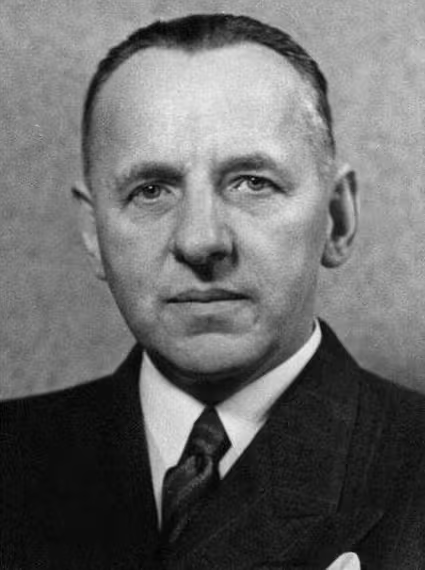

The historical view on the left is a visualisation generated by artificial intelligence and serves as inspiration.
Historical Milestones
- 1932-1933
- Building a grave with a tombstone in realism style according to the design of J. Damborský.
- 20th century
- Inclusion of the object in the list of national cultural monuments of the Slovak Republic.
Interesting facts
- The cultural monument takes the form of a grave with a tombstone and is located in Nitra in the part of the Old Town. - The monument comes from the first half of the twentieth century, more precisely from 1932 to 1933, and is built in a realistic style. - The author of this building is J. Damborsky. - The Monument Office of the Slovak Republic registers the area under the number ÚZPF 1480 and as a national cultural monument is kept under registration number 233-1480.
Guide
Show guide text
The text was prepared by artificial intelligence and has not been editorially reviewed. It may contain inaccuracies.
Welcome to Nitra, a city that is rightfully proud of the attribute mother of Slovak cities. You stand in a place where silence meets with eternity, at the place of last rest, which reminds us that history does not consist of just great battles and kings, but especially people who dedicated their lives to preserving knowledge and passing it on to other generations. Before you there is a grave with a tombstone that belongs to the personalities connecting the two pillars of culture - archivalism and pedagogy. When you look at this monument, view it not only as a piece of worked stone but as a symbol of the continuity of our nation. He is a silent witness of dignity standing here to remind us of the importance of memory and education.
Stop for a moment and let the atmosphere of this place affect you. What do you see in front of you? It is a tombstone that, by its simplicity and humility, speaks of the nature of those resting under it. Note its lines and the way it is planted in the surrounding environment. Although we do not know the exact year of its creation nor the name of the architect who breathed in its final form, its presence in this historical location Nitra clearly indicates that it is a monument to people who have enjoyed great respect in their time. The visual side of the tombstone reflects the respect for tradition and the seriousness of the professions mentioned therein. It is a place where time has stopped so that we, the people of today, can draw inspiration from the legacy of the past.
The origin of this tombstone is closely linked to the need to honor the memory of a man who was both a guardian of a written heritage and a molder of young minds. In the historical context of Nitra, which has been the centre of administration, religion and education for centuries, architects and educators had an irreplaceable place. The architect was the one who, in the dusty halls of the archives, maybe up there at the Nitra Castle or in the bishop's palaces, was sorting the documents that defined the rights and duties of the inhabitants, recorded important events and preserved the identity of the city. The educator, in turn, took this knowledge and transformed it into lessons for students, thus ensuring that the fire of knowledge never went out. This grave is therefore a common expression of gratitude for work that is not always visible at first sight, but whose fruits we still enjoy.
Now pay attention to the architecture and details of this tombstone. Although the backgrounds do not indicate a specific art style, you can see the crafty skill of the then stonemasons. Look at the surface of the material, at how time put its tracks into it. Note the inscriptions that may already be partially eroded by weather effects, but still readable. These very details hide the beauty of the monument. Every score, every work horn tells a story about the respect of the living to the dead. Go from base to headstone top. Feel its proportions that are consistent with surrounding greenery and other tombstones in this part of Nitra. It's an architecture of silence that doesn't need to scream to impress.
Key stories associated with this place take place in the plane of ideals. Imagine the life of an architect at a time when there were no computers or digital databases. His world was parchment, ink and endless patience. Every document saved from moisture or forgetting was a small victory over passing. And next to him stands the figure of a teacher, perhaps the same person who, after hours spent in the archives, appeared before pupils in Nitra schools. Nitra has always been a city of schools - from an ancient seminary to modern universities. The story of this grave is the story of the relay. It's a story about how dead writing in the archives becomes a living thought in the student's head. Although the names of particular personalities remain hidden for now, their legacy is present in every book you open in Nitra and in every historical building you admire.
An interesting and perhaps certain mystery of this place is precisely the anonymity that surrounds it in historical records. Why do we not know the exact chronology or the names of the creators? It may be the intention to make us think, not of individuals, but of the office and mission that these people held. The archives say that the best archivist is the one whose work can be seen, but his name remains in the shadow of documents. This monument is a bit like the archive itself - it hides more than it reveals at first sight. It is a challenge for us visitors to become students and to look for connections where others see only the old stone. Perhaps you, when you later walk down the aisles below the castle, will feel the invisible thread that connects this quiet grave to the vibrant life of the city.
Let us now consider for a moment what the profession of a teacher and architect means to us today. Working with the past may seem slow or insignificant in a time of quick information. However, it is here in front of this tombstone that we realise that without solid foundations in the past we cannot build a stable future. Nitra, as a witness to the arrival of Saints Cyril and Methodius, as the seat of the first princes, always needed people to record and explain these events. This grave is an honor to all those anonymous scholars who shaped Slovak intelligence. It is a place that teaches us humility before knowledge.
Looking at the tombstone, note how it contains the symbol of eternity. Although the evidence does not specify specific ornaments, the very shape of the tombstone in Slovak tradition often refers to stability and faith. In the context of Nitra, the city of seven hills, each such object is part of a wider mosaic of spiritual life. This grave is not an isolated island, it is part of a community that lived here, worked and dreamed of a better education for its children. It is a place where respect for the ancestors meets with hope for the future.
When you leave this tombstone, take a sense of gratitude with you. Thankfully, there are people who care about our memories together. The architect and the educator to whom this place is dedicated are symbols of patience and love for the truth. Nitra offers you many other treasures, from the majestic cathedral to the cozy streets of the old town, but this inconspicuous place has its own, unrepeatable strength. It is the power of silence that will drown even the greatest urban rush.
Finally, I invite you to the next survey of Nitra. This city has many faces and each one is worth discovering. Whether you go towards the castle area or continue to walk through this historic cemetery, keep your eyes open. History is written in every stone, every tree and every tombstone you pass by. This grave of the architect and educator was just one chapter in the rich book of Nitra history. I hope that this brief stop has helped you to better understand the soul of this city and the importance of those who guard its memory.
Thank you for your attention and I wish you the inspirational rest of your visit to Nitra. Let the steps lead you to other interesting discoveries and let the message of this place resonate in you long after you put down your headphones. See you at the next memorial, where we will again immerse ourselves in the fascinating stories of our past. I respectfully say goodbye and wish you a pleasant day in the embrace of Nitra history.
Tips for visitors
To visit this place in Nitra is suitable early morning, when the surrounding area is peaceful and provides suitable light to photograph the details of the tombstone. Take solid shoes suitable for walking in cemeteries and conservation zones, drinking water and a camera or mobile phone to capture details. Suitable light for shooting the tombstone prevails during the lateral sunshine, highlighting plastic elements and lyrics on the stone. For families with children, the visit is suitable as an easy walk associated with learning about local history and personalities.
Frequently asked questions
Can the monument be visited?
Cemeteries and graves are usually accessible; please respect the dignity of the place. We have not verified the opening hours of this cemetery.
Where is the monument?
Location: Staré Mesto, Nitra, Nitriansky kraj. The map on this page shows the exact spot.
Why is the monument protected?
It is listed in the Central List of the Monuments Fund of the Slovak Republic as a national cultural monument (ÚZPF no. 233-1480).
For children
Imagine you're teleporting to the past right now. It's not a journey through space, it's a journey through time. We're going back exactly 94 years to 1932. The world around you is completely different. There are no smartphones, internet or YouTube videos. Instead, you hear pencils scratching, rusting old papers and you say, "What a silence!"
Thematic route
I propose a thematic route focused on historical and cultural monuments associated with personalities in Nitra.
1. Archive, educator (stone grave) - Type: Grave with tombstone - Note: The stop commemorates the life and work of an architect and a pedagogue who worked in the field of education and preservation of historical springs.
Seasonal recommendations
Spring brings the feeling of a new beginning to the place of last rest of the archiver and teacher in Nitra. The surrounding greenery awakens and flowering trees in the cemetery area create a fine contrast with the historical tombstone. The light is soft and scattered during this period, highlighting the details carved into stone and allowing undisturbed reading of inscriptions. It is recommended to choose layered clothing as the spring breeze under Zobor may be deceptive. The best time to visit is in the morning when the area is quiet and you can meditate in peace on the message of this important personality without the presence of more visitors.
During the summer months the monument is filled with intense sun, which sharply depicts the contours of the tombstone and surrounding architecture. The atmosphere is peaceful, although in the main summer season there may be more tourists in the town of Nitra and its historical parts. The lush vegetation in the surrounding area provides at least a partial shelter from the heat. The practical advice is to plan a visit for early morning hours or late evenings to avoid the greatest sunburn. Do not forget the sunglasses and plenty of fluid, as the open area of the cemetery is exhausting in July and August.
Autumn adds melancholy and dignified character to the place, perfectly matching the character of the scholar's grave. Falling leaves in shades of gold and red cover the access paths, and the low sun creates long shadows that enhance the peet atmosphere of the place. During the period of memory of the deceased, the area is illuminated by a number of candles, which creates an unrepeatable visual experience and a sense of connection with the past. We recommend firm shoes due to slippery wet leaves and warmer coat. It is an ideal time to study regional history quietly right at the source of memories.
In the winter period, the monument is immersed in silence and strenuousness, which testifies to the memory of the archive. If the landscape is covered by snow, the white dust will cover the tombstone and highlight its lonely grandeur in contrast with the dark trunks of the trees. Days are short and light disappears quickly, giving the place a mysterious touch, especially in advent times. The practical advice is to come early in the afternoon because the temperature in the Nitra region is dropping sharply after sunset. The necessity is very warm winter clothes and gloves.
Visualisations and artistic views

The visualisations are generated by artificial intelligence and serve as inspiration.
Visitor Tips
No tips yet. Be the first!
Log in and add your tip.
Visitor photos
No photos yet. Be the first to add a photo from your visit!
Log in and add your photo or leave a rating.
You get more points for a visit verified in the app — we can tell from the GPS that you are there.
Reviews and comments