








chyžka Vernacular house
Chat in Muránska Zdychavave is a national cultural monument from the first half of the twentieth century. It is located in the village of Muránska Zdychava in Banská Bystrica region and is registered under number ÚZPF 10157. It is a house of folk log structure, which was established around 1900.
The area of the monument consists of only one object - folk house. Its characteristic coincides with typical features of folk architecture of the first half of the twentieth century.
The building characteristics of the object are not detailed in the available data. According to registration records it is a log building, which is typical for folk construction. Specific details of layout, materials or ground plan are not listed in accessible sources.
Chyžka is located in the cadastral territory of the village Muránska Zdychava. It has been protected as a national cultural monument since 2010 when the Slovak Monument Office registered it under number ÚZPF 10157. The current status and use of the object are not listed in the accessible resources.
Chat in Muránska Zdychava is a rare example of folk architecture from the time typical building elements were formed in the region. Its preservation is important for understanding the tradition of folk construction in the Banská Bystrica region. Any interest in visiting or familiarizing this monument should be guided by respect for its authenticity and historical significance.
Tehdy a dnes
Drag the slider and compare how the monument might have looked when it was built with the view today.
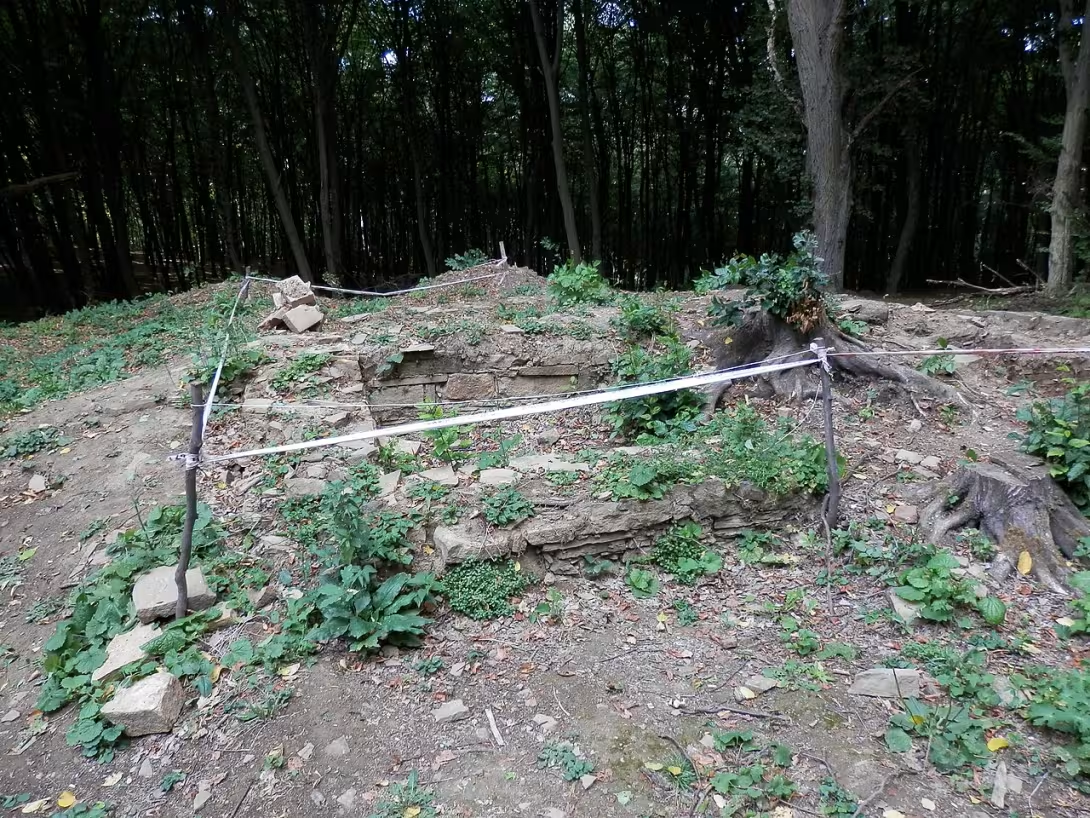
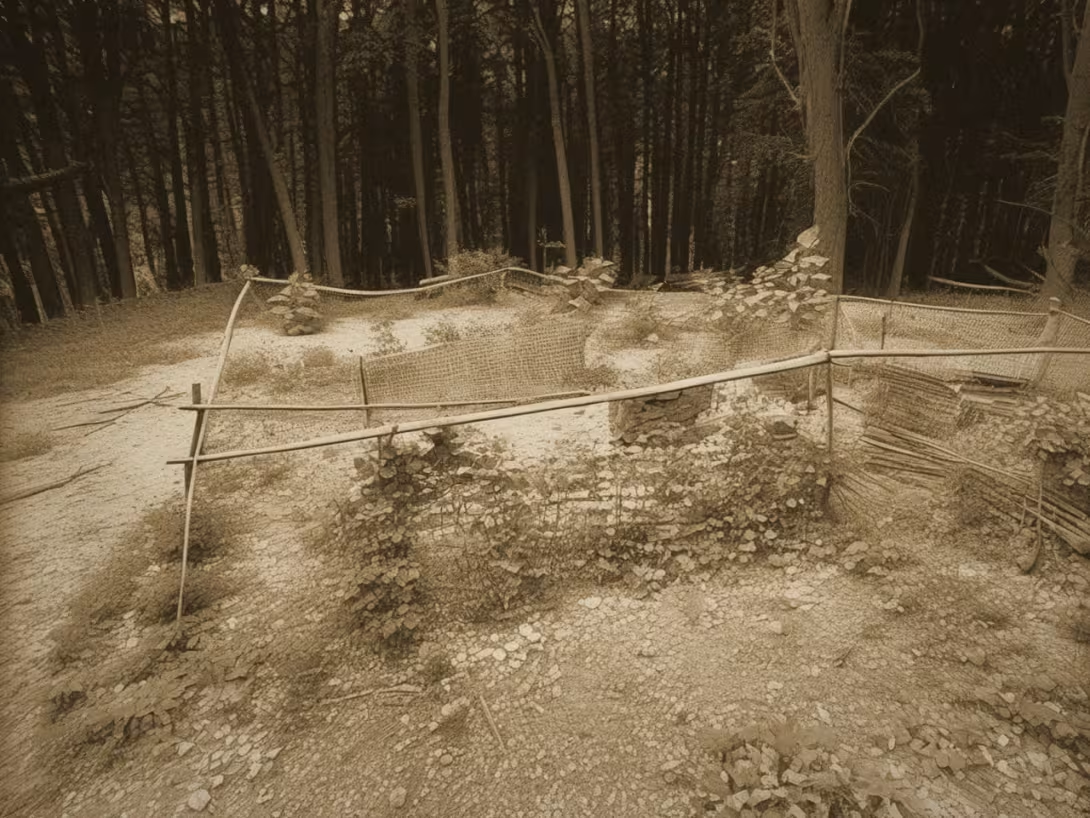
The historical view on the left is a visualisation generated by artificial intelligence and serves as inspiration.
Historical Milestones
- 1900
- A maid was formed in Muránska Zdychava
- 2010
- The guest was registered as a national cultural monument
Interesting facts
- The House of Folk in Muránska Zdychava is a national cultural monument from the first half of the 20th century, registered under number ÚZPF 10157.
- It comes from around the year 1900 and represents a typical log structure of folk architecture.
- It is one of the rare examples of preserved folk construction that documents the tradition of construction in Banská Bystrica region.
Guide
Show guide text
The text was prepared by artificial intelligence and has not been editorially reviewed. It may contain inaccuracies.
You can see in Muranska Zdychava, where there is a unique time capsule in front of you - a folk club that reminds us of the modest but very important life of our ancestors.
You are standing in front of a log cabin, which was preserved from the first half of the twentieth century. This small but very authentic building is a national cultural monument and a part of the registered area of the Monument Office of the Slovak Republic. The example of folk architecture, which in the past was home to hundreds of families in Slovakia, is just before you. The bag is made of thick wood, which was joined without any metal joints - only by direct engagement of trunks. This technique, known as the cabin, was perfectly controlled by the ancestors and supplied houses with not only warm but also safety from cold and wind. Let's move on to its appearance. The cot has a typical folk form with a simple but harmonious shape. The first thing you're interested in is its compact form - a small flat roof that is tilted over the whole space, and simple windows that were not only designed for lighting but also for ventilation. Note how this structure reflects the modesty and practicality of folk life. Thanks to its simplicity, the maid was easy to build, economical and natural to the surroundings. NYNIS Look at her details. The front part of the maid, so called. facade, is typical for folk buildings - often without decorative elements, but with clear functionality. Note how wood is wiped out in some places, which shows the care and wear that is part of every folk house. The roof is covered with shingle or shingle made of wood, which was the usual method in the past. This technique was not only practical, but also aesthetic, as the wood was properly formed into nature. The architecture of this chamber is undoubtedly a reflection of the popular wisdom and practical thinking of our ancestors. The maids were designed to meet the needs of people living in mountain areas or in the countryside. Their simplicity and functionality were key to survival in difficult conditions. This maid is an example of how humans managed to make a home of what nature had at its disposal. When you look around, you might wonder why this maid is standing here and not where else. The answer is its historical significance. Those like this have been enlarged throughout Slovakia in the past, but with modernization and urbanization their number has decreased. However, this room has been preserved and has become part of our cultural heritage. It is an example of how people lived, worked, and made homes in the past. Nyni, look at her inner space. At present, the bag is probably inaccessible, but you can imagine how it looked. Interiors were simple, with a small sleeping chamber, a fireplace for heating and modest furniture. The fireplace was an essential part of every folk house because it was a source of heat, but also a social center. He made the family meet, prepare food, and tell stories. When you look at the maid, you may wonder if there was someone specific living here or whether there was a significant connection. Unfortunately, there is no more information on its particular history. The maid is not one of some famous families or historical personalities, but it is an example of the lives of many who lived here before us. This building is like a time capsule that reminds us of how people lived in the past. One of the attractions of this room is its preservation. In times when people moved to cities or their homes disappeared, this room was preserved. Today, this is an example of how we can preserve and protect our cultural heritage. This room is part of the Monument Office of the Slovak Republic, which means that it is under state protection and is available to all of us as an example of our heritage. Before we say goodbye to you, we would like to invite you to enjoy more in Muranska Zdychava. The surroundings of this lodge are rich in natural beauty and other cultural monuments. You can take a walk around the village, see other folk buildings or visit the surrounding villages, where other examples of folk architecture have been preserved. Thanks to this maid, we can go back to the past and understand how our ancestors lived. It is an example of how humans were able to make a home from what nature had and how they tried to survive under difficult conditions. This maid is not only a memory of the past, but also an example of our heritage, which is important to preserve and protect for future generations. So, when we're breaking up with you, remember this room and what reminds us of. It is an example of how people lived, worked, and made a home. And if you ever find yourself in Muranska Zdychava again, remember to look at this small but very important building that is part of our cultural heritage. Have a good trip and look at other beauties of Slovakia!
Tips for visitors
The chorus is best to visit in the summer months, when nature is around the most beautiful and sunny days provide suitable light for photography. Autumn is also suitable when the surrounding area is quieter and quieter.
At this time it is possible to observe folk crafts and traditions in full bloom and perceive the authentic atmosphere of folk architecture without disturbing the rush.
Chyžka is located in the village Muránska Zdychava, which is accessible through local communication.
It is advisable to use a passenger car for a visit because public transport to this site is not regularly available.
The cot is located in nature, so it is advisable to wear comfortable clothes and shoes. The terrain can be uneven.
If the entry form is mandatory or needs to be completed, it is appropriate to carry an identity document.
It is advisable to take a camera or smartphone with a good resolution for photography. The best places for photography are around the stall, where the overall architecture and detailed elements such as wooden structures, windows or chimneys are captured.
The best light for photography is in the morning or before sunset when the light is thinner.
There is a registered area of the Monument Office of the Slovak Republic, which can offer information about folk architecture and cultural heritage in the region.
Children may be interested in observing details of folk architecture, such as wooden details or old crafts. They may also participate in work activities organised in the area.
In the surroundings it is possible to play on clean air and discover nature around the lodge.
Frequently asked questions
Can the monument be visited?
This is a residential or farm building, not a museum with opening hours. Please view it from public space and respect the owners' privacy. We have no information about access to the interior.
Where is the monument?
Location: Muránska Zdychava, Banskobystrický kraj. The map on this page shows the exact spot.
Why is the monument protected?
It is listed in the Central List of the Monuments Fund of the Slovak Republic as a national cultural monument (ÚZPF no. 328-10157).
For children
In 1900, in the village of Muránska Zdychava stood a simple log cabin. This folk building is preserved and is a national cultural monument.
The bag was built of rolled wood logs, so called log cabins. Inside it was warm because wood walls kept warm even in the coldest winter days. The ceilings were laid of straw with soil, the floor formed a sprig or ground. Long before our era, the maid was right, baked, slept and even played here.
Thematic route
Cruise route with visit People's House in Muránska Zdychava
1. Folk House in Muránska Zdychava The folk house in Muránska Zdychava presents folk architecture and crafts from the 19th century. The exhibition shows life in the village - from crafts to home production.
2. Primary school in Muránska Zdychave (areal) The campus is a historic building with elements of folk construction. Around the school there is a small green area with monuments, where you can rest and watch the surrounding hills.
3. The Way to the River Muráňka A short walk through the village you can reach the river Muráňka, which flows through the village and creates picturesque surroundings. Around the village there are folk tentacles.
4. Municipal park in Muránsko A small green area with wooden benches and trees is suitable for a short rest stop.
The route is focused on local attractions - folk architecture, nature and historical buildings.
Seasonal recommendations
Muránska maid
Jaro In spring it is surrounded by flowering trees and flowers. The entrance to the building is free, but there are exhibits sensitive to damage. It is therefore necessary to wear appropriate clothing and footwear.
Leto During the summer season, the maid is surrounded by green oak. It is advisable to visit its interior directly after the building is opened to avoid crowds. Suitable clothing and footwear are needed for entry.
Winter In winter it is surrounded by winter environment. The atmosphere is quiet and easy. For entry it is necessary to wear warm clothes and suitable shoes.
Podzim In the autumn period, the maid is surrounded by green rainbow. It is advisable to visit its interior directly after the building is opened to avoid crowds. Suitable clothing and footwear are needed for entry.
Visualisations and artistic views

The visualisations are generated by artificial intelligence and serve as inspiration.
Visitor Tips
No tips yet. Be the first!
Log in and add your tip.
More monuments – Muránska Zdychava
Show all in the town
Visitor photos
No photos yet. Be the first to add a photo from your visit!
Log in and add your photo or leave a rating.
You get more points for a visit verified in the app — we can tell from the GPS that you are there.
Reviews and comments