








stodola so stajňou, stajňa Barn with stable
Slovak Cultural Monument - Stodola with a stable in Muranska Zdychava
The barn with a stable, located in the village Muránska Zdychava, is a national cultural monument. The area consists of only one object, namely a barn with a stable, built around 1900.
Stodola belongs to the type of building Stodola with stable and is located in the cadastral area of the village Muránska Zdychava. Monument protection has been declared.
Building characteristics of the barn is a log structure, folk construction. Poloa sights is the village Muránska Zdychava, Banskobystrický kraj. The address of the monument is Muránska Zdychava.
The current state of the monument is protected as a national cultural monument and is currently used as...
Reflection of value: The barn with a stable in Muranska Zdychava represents folk architecture and architecture of Slovakia. Visit it if you want to know the history and culture of this area.
Historical Milestones
- around 1900
- Construction of a barn with a granary in log construction.
- 20th century
- Use of the building for agricultural purposes within folk architecture.
- Present day
- Declaration of the building as a national cultural monument.
Guide
Show guide text
The text was prepared by artificial intelligence and has not been editorially reviewed. It may contain inaccuracies.
Welcome to Muránska Zdychava. You have just stopped before one of those structures that, at first glance, may not resemble grand palaces, monumental castles, or ornate cathedrals, yet their significance to our identity and history is profoundly deep. You are standing before a barn with a stable—a building that in the past represented the very foundation of life, survival, and stability in this beautiful yet demanding region. Look around you and soak in the atmosphere of this place. You may feel the peace that this village brings, but within this structure, you can also sense the strength of labor and the tireless rhythm of life that unfolded here for many generations. This building is not just a pile of materials; it is a witness to the daily struggle for existence and a testament to our ancestors' respect for the land that nourished them.
When we ask how this structure came to be, we encounter one of the most interesting characteristics of historical monuments—their anonymity. We do not know the exact year the first stone or first piece of wood was laid in this soil. Nor do we know the name of the architect who designed its shape, nor the names of the craftsmen who built it. And that is precisely where its true significance lies. This barn and stable are not the work of a single famous artist, but the result of collective wisdom, experience, and traditions that were gradually passed down from generation to generation in this region. It is a product of folk architecture, where aesthetics always yielded to function. Every detail was conceived to serve practical needs—to provide shelter for livestock and to safely store the precious harvest. Hidden within the unknown time of its creation is the story of thousands of ordinary people, whose lives were not written in the chronicles of kings, but in the rhythm of the seasons, in the work of the fields, and in the care of the home.
Now, turn your attention to the architecture of the building itself. Although we do not know its exact period, its shape and construction tell us much about how people in this environment understood nature. Perceive this structure as a logical whole. The barn and stable form a symbiotic pair. The stable, intended for animals, provided warmth and protection, while the barn served as the heart of the farm, a place to store hay and grain essential for surviving the winter. Look at how the building is anchored in the landscape. Notice the texture of the materials you see here. Whether they are local materials common in the past, or the way the building has naturally blended into its surroundings over time, it all feels harmonious. Notice how this structure is perceived within the context of all of Muránska Zdychava. It is not a foreign element here, but a natural part of this landscape, just like the mountains and forests. Look at the proportions of the building—they are designed to withstand the wind and adverse weather conditions typical of this Central European highland region.
Although we do not have the names of specific historical figures directly associated with this building, we can imagine the thousands of people who lived here at any given moment. Imagine the early hours, when the first breaths of animals and the sound of the farmer's footsteps echoed in the stable. Imagine the afternoons spent working on the harvests in the barn, and the evenings when families gathered near this building after a demanding day. This building was the center of the universe for every family that lived here. It was the place where it was decided whether the winter would be secure and whether people would have food to eat. Every movement in this building, every sound that once resonated here, was part of the great history of the ordinary person. It is a history of struggle, perseverance, and a deep connection with nature.
It may seem to you that this building is merely a silent object, but within its silence hides a certain mystery. What has this structure seen? How many changes in the landscape, how many changes in people's lives has it survived? Perhaps it witnessed the transition from traditional agriculture to the modern world; perhaps it saw the faces of people who are long gone, but whose spirit remains in every stone and every gate. This anonymity—the fact that we do not know its exact beginning or its creators—gives the place a special charm. It is not just an object that can be described with facts; it is an object you must imagine. It is a challenge to your imagination. What would you say to this building if it could speak? What secrets would it reveal to you about life in Muránska Zdychava centuries ago?
Now, I invite you not to stop at this single point. Take a moment; let this atmosphere sink in. Walk around, notice the depth of the shadows the building casts, and watch how the light changes on its surface. Look at the surrounding landscapes that envelop this structure and try to connect this object with the entire scenic picture. This barn and stable are but a small piece of the great mosaic of our cultural landscape, but without these small pieces, the entire history would be incomplete. Thank you for dedicating time to this journey and for stopping to appreciate even the humbler, yet equally important, witnesses of our past. Enjoy the rest of your visit to Muránska Zdychava, and may the peace and beauty of this landscape bring you joy. Goodbye.
Tips for visitors
The barn and stable in Muránska Zdyňava are best visited in spring or autumn, when there are fewer visitors. You can reach the village by car or public transport (stop in the village center). Please check the timetables in the travel information. We recommend wearing comfortable shoes and bringing water, sunglasses, and a backpack with snacks. During the summer months, we recommend using sunscreen. Photography is best done in the early morning or late afternoon. Photos can be taken outside the entrance with a view of the building or inside the stable. The surrounding area features nature trails with views of the Muránska plateau and forest paths.
Frequently asked questions
Can the monument be visited?
This is a residential or farm building, not a museum with opening hours. Please view it from public space and respect the owners' privacy. We have no information about access to the interior.
Where is the monument?
Location: Muránska Zdychava, Banskobystrický kraj. The map on this page shows the exact spot.
Why is the monument protected?
It is listed in the Central List of the Monuments Fund of the Slovak Republic as a national cultural monument (ÚZPF no. 328-10159).
For children
Building a barn with a stable in Muránska Zdychava was like a great adventure. It was at a time when the Slovaks and their ancestors lived. The place where the barn stands today, people have been inhabited long ago.
Imagine that there were people living here who lived on the farm and the animals. They were building new homes together. The barn also served as a place where people met and organized attacks.
It's like in games where you're looking for secret signals and hidden treasures. Today you can see the barn with a stable and get to know its history.
Thematic route
1. Exteriér stodoly so stajňou – Architektúra. Tradičná konštrukcia a materiály typické pre ľudové stavby v tejto oblasti. 2. Stajňa – Interiér. Priestory určené na chov zvierat a ich funkčné usporiadanie. 3. Stodola – Interiér. Úložné priestory na plodiny a poľnohospodárske náradie. 4. Bezprostredný areál – Vonkajší priestor. Celková dispozícia stavby v krajinnom prostredí.
1. Exterior of the barn with stable – Architecture. Traditional construction and materials typical for vernacular buildings in this area. 2. Stable – Interior. Spaces designated for animal husbandry and their functional arrangement. 3. Barn – Interior. Storage spaces for crops and agricultural equipment. 4. Immediate surroundings – Outdoor space. Overall layout of the building within the landscape.
Seasonal recommendations
Recommendations for visiting the site according to season:
Site: Barn with Stable, Muránska Zdychava, Banskobystrický kraj
Status:
Spring The sun is higher in the sky and trees are green. Practical tips: Wear clothing suitable for warm weather. The highest influx of visitors is on Saturday and Sunday. Recommended visiting time is morning or afternoon.
Summer Season with high temperatures. Practical tips: Wear light clothing. The highest influx of visitors occurs during concerts and festivals. Recommended visiting time is morning or afternoon.
Fall Season of colorful tree leaves. Practical tips: Wear clothing suitable for cold weather. The highest influx of visitors is on Saturday and Sunday. Recommended visiting time is morning or afternoon.
Winter Season of snow and frost. Practical tips: Wear clothing suitable for cold weather. The highest influx of visitors is on Saturday and Sunday. Recommended visiting time is morning or afternoon.
Visitor Tips
No tips yet. Be the first!
Log in and add your tip.
More monuments – Muránska Zdychava
Show all in the town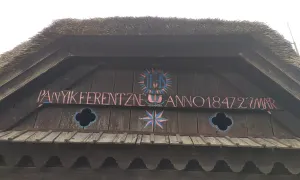
Visitor photos
No photos yet. Be the first to add a photo from your visit!
Log in and add your photo or leave a rating.
You get more points for a visit verified in the app — we can tell from the GPS that you are there.
Reviews and comments