








roľnícka usadlosť Farmer's farmstead
The court of the peasant village Vyšné Repaše, located in Prešov region, is a national cultural monument of Slovakia. This area was built in 1905 and belongs to the first ten years of the 20th century. Architecturally takes place within the folk architecture, which is characteristic of this period.
The area of the courtyard consists of two main objects: the House of Folk and Economic Construction. Both are made of ruby material, which is a typical element of folk architecture from this period. These objects have the year of creation 1905 and are registered under the numbers of the ÚZPF 11167/1 for the People's House and 11167/2 for the economic construction.
The building characteristics of the court are not detailed in the available data, so we do not have precise information about its availability, floor or specific ground plan structure. The material of the building, as mentioned above, is log.
The courtyard is located at No. 57 in the village Vyšné Repase. Specifically, the cadastral territory is not mentioned, but its geographical coordinates are 49.06652 N and 20.68583 Eastern length. The protection of this area as a national cultural monument is confirmed, but specific information on the conservation strips or protection zone is not available. The current state and use of the area are also mentioned.
The court peasant in Vyšné Repasí is an example of architectural heritage, which preserves elements of folk architecture from the early 20th century. Its location in Prešov region makes it part of the rich cultural and historical context of the region, which is known for its traditional peasant settlements. This area brings a valuable view of life and construction from this period.
A visit to the court of the farmer in Vyšné Repasí offers the opportunity to learn about the architectural heritage and to understand how such settlements were designed and built in the early 20th century. This area is an important part of the cultural memory of Vyšné Repasha village and also an opportunity for visitors to realize the value of preserving such histórical sites.
Tehdy a dnes
Drag the slider and compare how the monument might have looked when it was built with the view today.
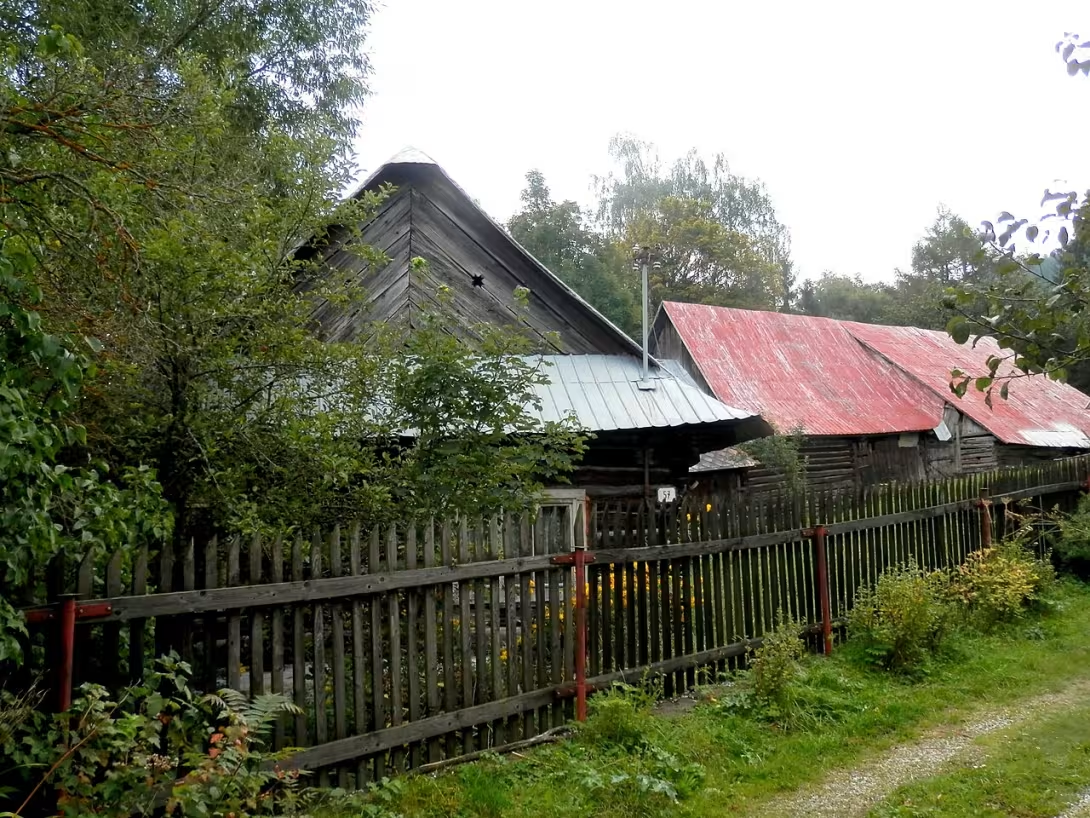

The historical view on the left is a visualisation generated by artificial intelligence and serves as inspiration.
Historical Milestones
- 1905
- The creation of the court of the farmer in Vyšné Repashy.
- round 1900
- Development of folk architecture in Prešov region.
Interesting facts
- The court of the peasant village Vyšné Repasha is a national cultural monument of Slovakia. - The area was built in 1905 and belongs to the first ten years of the 20th century. - The architecture of the court takes place within the folk architecture, characteristic of this period. - The two main object is the House of Folk and Economic Object, which are built of ruby material. - Geographical coordinates of the area are 49.06652 N and 20.68583 Eastern length.
Guide
Show guide text
The text was prepared by artificial intelligence and has not been editorially reviewed. It may contain inaccuracies.
Welcome to Vyšné Repáš. Right now, when you are standing before the Court of Peasant, the door opens to you into a world that no longer exists as we know it today. Before we get to a deeper knowledge, just stop for a moment. Feel the silence of this place, perceive the air and environment that surrounds you. You may feel that time is passing at a different, slower pace. It's not a coincidence. You are standing in a place that was sometimes the heart of everyday struggle for survival, a place where hard work, family life and the relentless power of nature met. Look around you and try to imagine the sounds that once resonated here - not the silence that you feel now, but the sounds of instruments, the language of people and the rhythm of life that was inextricably linked to this soil. When we talk about the origin of this place, we have to admit that we do not know the history of this court in precise figures or in the names of the founders. The chronology of this place remains in the shadow of history, but it is this uncertainty that enables us to understand the broader historical context. The court of the farmer is not a monument built by kings or great aristocrats. It is the product of the thousand-year tradition of Slovak countryside, namely this part of Prešov region. At a time when this court worked, this type of settlement was the cornerstone of the entire social structure. It was not just buildings but a complex system that allowed people to survive in an environment that could in many ways be inhospitable. This court was the center of the economy, the place where crops were processed, where animals were taken care of, and where the fates of generations of people whose names had been slowly erased. It is a testimony to an era where man was directly dependent on what the earth provided for him, and when every year of harvest meant the difference between prosperity and need. Let's take a closer look at what you have right in front of you. Now that you look at the buildings that surround you, you won't look for ornaments, rich Renaissance details or artistic life. The architecture of this place is deeply rooted in its practical purpose. Note how individual structures are spread across the country. In the peasant usadłościach was not about making the buildings look aesthetically perfect, but to work. Every angle, every yard and every wall had a clear meaning. Look at the way construction interacts with terrain. Feel the harmony between human work and the natural environment. You may see traces of time in the texture of walls or in the way the buildings are sun or wind oriented. It is a survival architecture, where every part of the settlement was to serve a specific goal - whether it was family accommodation, crop storage or economic property care. See this functionality, the straightness that is so typical for historical rural buildings. It is beautiful in simplicity and in the ability of the building to withstand time and weather influences. Perhaps it may seem strange to you now that in the historical records of this place we do not appear the names of great dukes, well-known generals or famous artists. But this place is not empty. It is filled with the presence of thousands of anonymous people living, working and making history a mere human activity. Imagine these people. We see them in every move in this country. They were peasants going out into the fields with each sunrise. They were fathers and mothers who built a safe home in these buildings for their children. Their rhythm of life was dictated by the seasons of the year - from sowing in the spring months to harvesting in the autumn. Their story is not written in the golden books, but it is engraved in this land and in the very foundations of this settlement. It's a story of perseverance, humility, and a constant relationship between man and soil. When you look at these structures, you look not only at stone or wooden structures but at witnesses to many life events - babies born, hard work after a day, good harvest joys, and sadness that brought unhappy spring frosts or long periods of drought. At the moment, you may be interested in something else. You may wonder why we do not know the exact names of the people who once lived here or when exactly this court was founded. However, it is this unknownness that is one of the greatest mysteries and one of the greatest strengths of this place. This lack of accurate data and records allows us to do something important: it allows us to see the universal human experience here. If we do not know a specific name, we can imagine in this place anyone who has ever experienced joy and truss. This anonymity gives the site a certain mystic. It is like a silent testimony to the millenniums of human life that takes place regardless of whether history has remembered it or not. This ignorance compels us to be real observers, not just readers of history. It's a challenge for your imagination to find your own stories in the silence of this court. Now that you have adopted the atmosphere of this place, we invite you to continue your next discovery. Be carried away by what you see and feel. Walk around, see the environment and try to find your own details that interest you. Every step on this ground is connected to the past, which, although it has no names, has a strong voice. Thank you for being with us at this brief meeting of the Court of Farmers in Vyšné Repáš. We wish you a pleasant and inspiring rest of your day in this beautiful country. We'll say goodbye, but keep the taste of this anonymous but deep history in your heart.
Tips for visitors
Best to visit the peasant settlement in the autumn months, when the climate is the most enjoyable and less visitors. This period also offers good conditions for photography.
If you prefer public transport, check the current connections with the search engine for the best options.
See what you have in store: sun protection, water and refreshments. Depending on the weather, it may also be helpful to have a diary or curtain.
Photography is best at the beginning or end of the day when light is mild and special. Look for perspectives with historical trees or fields in the background.
In the surroundings you can visit the picturesque nature of Vyšné Repaš and enjoy peaceful moments of passage. It is advisable for families with children to organize a short walk or look for places where they can move freely.
Frequently asked questions
Can the monument be visited?
This is a residential or farm building, not a museum with opening hours. Please view it from public space and respect the owners' privacy. We have no information about access to the interior.
Where is the monument?
Location: č. 57, Vyšné Repaše, Prešovský kraj. The map on this page shows the exact spot.
Why is the monument protected?
It is listed in the Central List of the Monuments Fund of the Slovak Republic as a national cultural monument (ÚZPF no. 414-11167).
For children
The story begins more than a hundred years ago, namely in 1905, when a unique monument was born here on Vyšné Repasi - the peasant settlement Dvor peasant. If you wanted to understand how it was in those days, imagine that we were living in a time when there was no electricity or the Internet and people lived on the ground.
Nearby
🏰 Historic sites (52)
- Klembara Ján 3.7 km
- Partizánske boje 5.3 km
- Panna Mária 6.7 km
- Panna Mária 6.8 km
- Pamätník padlým v 1. a 2. svetovej vojne 6.8 km
- sv. Ján Pavol II. 6.9 km
- sv. Ján Nepomucký 7.0 km
- SNP 7.3 km
- Július Bálint 7.9 km
- sv. František z Assisi 8.1 km
- Kaštieľ Spišský Hrhov 8.1 km Osloboditeľov 36/36
- Izba tradícií 8.1 km
- Thurzov dom 8.2 km
- Tragické letecké neštastie 8.2 km
- Archeologické nálezisko na Pažici 8.2 km
- LáSKa 8.2 km
- Ľudovít Štúr 8.2 km
- Galeria 8.2 km
- Dom Majstra Pavla z Levoče 8.3 km +421 53 451 3496 web
- Slovenské národné múzeum - Spišské múzeum v Levoči 8.3 km Mäsiarska 298/18
🍽️ Restaurants and dining (68)
- u Červeného 0.1 km
- Levoča Nordic Centrum - kaviareň 2.0 km +421 903 770 075 web
- Hostinec 3.1 km
- Lipa 4.1 km web
- Fresh Corner 7.0 km
- St. Margita Cafe 7.1 km
- Spišský salaš 7.5 km web
- Reštaurácia Kováčova Vila 7.5 km
- Pigi Pub 7.8 km
- Šport Pub 8.1 km
- Levočská kaviareň 8.1 km
- Kupecká bašta 8.1 km +421 908 989 626 web
- Slovenka 8.2 km
- Pizzeria MamaMia 8.2 km
- Kaviarnička Levoča 8.2 km
- Sýpka 8.2 km
- Mestský pivovar 8.2 km
- U Troch Apoštolov 8.2 km
- Boutique hotel a Reštaurácia Pracháreň 8.3 km Baštová 3143/1A
- Výberofka 8.3 km web
🏨 Accommodation (44)
- Javorinka 2.1 km
- Chata Levočské vrchy 2.6 km web
- Chata Bobor 2.7 km +421905475054
- chata Hrby 3.0 km
- Drevenica Pod lipou 5.7 km Levočská Dolina 1034/9 web
- Sivá Brada 7.3 km Levočská cesta 665/13
- Penzión Pod Mariánskou horou 7.4 km
- Penzión Hubert 7.4 km web
- Levočská dolina 7.5 km +421 903 255 440 web
- Kameň 7.6 km
- Vinná 8.1 km
- Kiska 8.1 km web
- GARNI - Hotel Barbakan 8.1 km web
- Hotel Satel 8.3 km
- Rezidencia Levočský Pivovar 8.3 km
- Stredná pedagogická škola - internát 8.3 km
- Hotel u Leva 8.4 km
- Hotel Arkáda 8.4 km web
- Penzión Rodina 8.4 km +421915656028
- Penzión St. Martin 8.4 km web
🚲 Rentals and sport (1)
- eMo BICYKLE 8.2 km +421905913338
🥾 Hiking and nature (212)
- Panský vrch 0.8 km
- Prostredný hrb 1.2 km
- Stredný vrch 1.4 km
- Hradisko 1.4 km
- Hora 1.9 km
- Šadov 2.1 km
- Klin 2.3 km
- Rakytie 2.5 km
- Baranie rohy 2.8 km
- Klimova hora 2.8 km
- Krúžok 2.8 km
- Hradisko 3.3 km
- Prameň Levočského potoka 3.3 km
- Peciská 3.5 km
- Uhlisko 3.5 km
- Hŕbok 3.5 km
- žliabok 3.6 km
- Podruša 3.7 km
- Zimná hôrka 4.1 km
- Na Brinky 4.1 km
Thematic route
Entry gate The Court's peasant history entry into the area, which provides an overview of the layout of the seat.
The main building - residential houses with 19th-century architecture, which show the life of peasant families.
Barn and fodder - agricultural construction for the storage of hay and straw, demonstrates old techniques of storage of crops.
Exhibition of traditional agriculture - exhibition with authentic instruments, clothes and handicrafts from the daily life of farmers.
Extensive courtyard park - an area with old fruit trees, herbal garden and stone benches, which serves to relax and shows the history of agriculture.
Seasonal recommendations
Jaro: In spring, the peasant settlement in the Court is beautifully blooming. In sunlight, greens and flowers turn into a lively color palette, adding a settlement atmosphere of charm. The best time to visit is in the morning or in the bud when the temperature is more comfortable and the crowds are not so big. We recommend wearing clothes suitable for muddy weather, such as shorts and sweaters, but also a protective jacket for weather changes. Léto: Léto is an ideal season to visit the farm settlement in Dvor. Sunny days are perfect for walking and observing wild fauna and flora, which is in full red force. The best time to visit is morning or evening when temperatures are a little lower and fewer people. We recommend wearing soft clothing, sunglasses and plenty of drinking water to handle bitter days. Under: In the foothills the farmer's settlement turns into breathtaking reflections, where trees and bush reveal their golden and ore colors. This period is ideal for a relaxing walk in a relaxing atmosphere. The best time to visit is on sunday days in the morning or in the evening when the temperature is comfortable and the weather is usually stable. We recommend wearing clothes suitable for colder days, such as long dresses and jackets, and do not forget about sunglasses. Winter: In winter, the peasant settlement in the Court can boast of its clides. The dream covers the landscape like a white canvas, which adds to the atmosphere. Few people visit the settlement during this period, so you can enjoy the climate and silence without unnecessary crowds. The best time to visit is during the sun's days, when the dream lightens and creates fine contrasts. We recommend wearing warm clothes such as long gloves, jackets and protective boots, and don't forget the sunglasses for reflection of the light from the snow.
Visualisations and artistic views


The visualisations are generated by artificial intelligence and serve as inspiration.
Photographs from the area
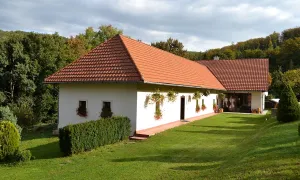
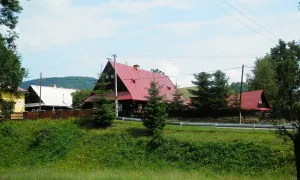
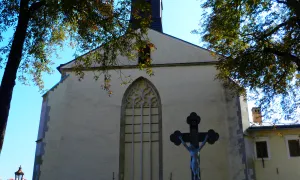
Real photos taken near the monument


Source and licence are given for each image.
Visitor Tips
No tips yet. Be the first!
Log in and add your tip.
Location on Map

Visitor photos
No photos yet. Be the first to add a photo from your visit!
Log in and add your photo or leave a rating.
You get more points for a visit verified in the app — we can tell from the GPS that you are there.
Reviews and comments