








roľnícka usadlosť Farmer's farmstead
The court of the farmer in the village Osturňa, located in the Prešov region, is a national cultural monument of Slovakia. This area contains several objects connected by common history and architecture. According to the Central Record of the Monuments of the Slovak Republic (ÚZPF), this is an area with four objects, numbered 4210/1 to 4210/4. It was founded in 1901 and represents an example of folk architecture from the first ten years of the 20th century.
The complex is located from four main buildings: the folk house (4210/1), the economic building I. (4210/3) and II. (4210/4), as well as barns with stable (4210/2). All objects have a log structure, typical for folk construction of this period. These techniques and materials used in the rolling environment of the late 19th and early 20th centuries are represented by this architecture.
In terms of construction characteristics, individual objects differ in their functionality, but the common use of the built-up structure and materials typical of folk construction is common. These elements are a significant part of the architectural identity of the complex, which is located at No 131 in Osturňa.
The court is protected as a national cultural monument and its protection includes the entire area in the cadastral area of Osturňa. His status and protection measures testify to the importance for the cultural heritage of Slovakia.
The court peasant in Osturňa provides insight into the life and techniques of rollers at the end of the 19th and early 20th century. This area is a significant part of the village Osturňa and offers the opportunity to mark a piece of Slovak heritage. A visit to this area allows you to approach the cultural history of Slovakia and to understand the life of the scrolls from the past.
Tehdy a dnes
Drag the slider and compare how the monument might have looked when it was built with the view today.
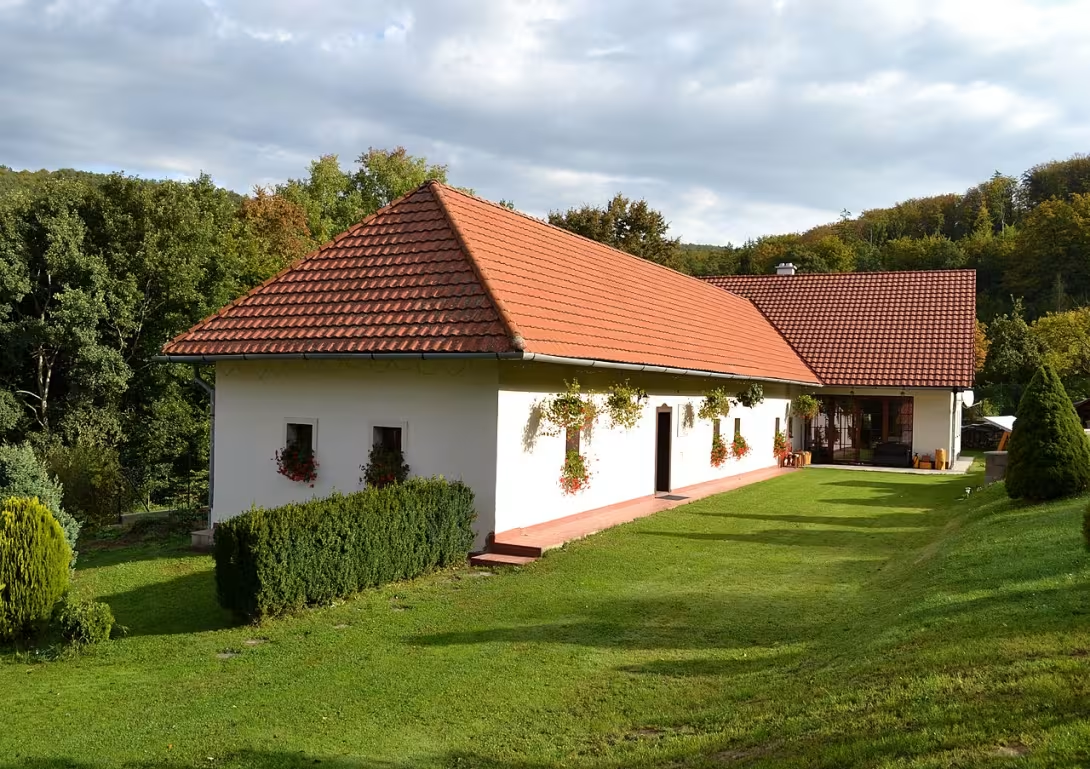

The historical view on the left is a visualisation generated by artificial intelligence and serves as inspiration.
Historical Milestones
- 1901
- The establishment of a peasant court in Osturňa
- round 1900
- Use of rustic construction and materials typical of folk construction
Interesting facts
- The court is a national cultural monument of Slovakia. - The area contains four objects: house folk (4210/1), economic construction I. (4210/3) and II. (4210/4), barn with stable (4210/2). - It was founded in 1901 and represents an example of folk architecture from the first ten years of the 20th century. - Objects have decorated structures, typical for folk construction of this period. - The Court is protected as a national cultural monument and its protection includes the entire area in the cadastral area of Osturňa.
Guide
Show guide text
The text was prepared by artificial intelligence and has not been editorially reviewed. It may contain inaccuracies.
Welcome to the beautiful and leathery village Osturňa, in the heart of Prešov region, where nature meets with deep traces of human life. You stand by one of those cities that are not merely buildings but silent witnesses of ancient times. Before your eyes lies a peasant settlement, also known as the Court of Peasant. At this point, when you stand here, you may feel a sense of special peace and fascination with what once boiled here, which was home and what formed the basis of every day. Feel this atmosphere, feel the silence, which is not just the absence of noise, but rather the presence of history, which is no longer called by voice, but only by the silent duration of these pods.
When you look at this place, you might wonder who exactly built these buildings and when they first started living here. The truth is that the exact chronological data, the exact year of creation, and the names of the architects who designed this court have long lost time. However, this ignorance has its own charm. This settlement does not belong to one particular menu or date in the textbooks, it belongs to the very time and rhythm of life that was going on here. It is a symbol of peasant life, which was an integral part of the region's existence. It is a place that has come out of need, from the need to have a home, from the need to have a place where a person can settle with the earth, with the soil he has served, and with the nature that has provided him with a livelihood.
Let's take a closer look at what you have in front of you. Although the exact materials or details that the written sources would tell us are not known, you can note the overall structure and layout of this peasant court. See how the buildings are arranged. A farmer's settlement is not just a random set of walls; it is a functional unit that was designed to serve life. Each part, each space within this court, had a purpose. Feel the harmony between human efforts and the environment. Look at the overall shape of the buildings and how they have been incorporated into this country. In the architecture of such settlements is not the goal of perfection in the tax luxury, but functionality, resilience and ability to survive in accordance with the seasons. See the power emitted by this architecture - it's the architecture of survival and stability.
Now that you've looked at the whole picture, try to imagine the people who lived here. Unknown their names, we don't know their voices, we don't know what they were talking about at the evening fire or what they thought when they were looking at the rising sun above the Osturn hills. But you still feel their presence here. Every wall, every corner of this court, was shaped by their work, their then and their daily efforts. They were people whose lives were dictated by the sunrise and sunset, planting and harvesting, the cold of winter, and the warm summer. Their stories are not written in the golden books, but they are engraved directly into the very essence of this place. When you look at these spaces, view them as a monument to the anonymous heroes of everyday life - farmers who built their lives on this earth with humility and endurance.
At this point, you may be interested in something more, something that might surprise you or make you think deeper. And the greatest mystery of this place is that of the unknown. What would happen if we knew the exact names of those who lived here? What if we knew exactly in which century this court became the center of the family? Maybe it'll all lose its magic. This settlement teaches us that there is no need to know everything to feel the meaning. Its strength is that it remains an open question. It is a riddle that time is slowly erasing, but which we, visitors, can complement with our own imagination. This ignorance is a challenge for your intuition and for your sense of connection to a past that is not just a dry fact but a living emotion.
Indeed, this settlement is like an open book with empty pages that each of us can complete according to how it is done. See the uncertainty, see the beauty in that not everything has to be explained to be important.
I won't hold you much longer now. I invite you to continue your next discovery. Rather than waiting for clear answers, look for feelings. Walk around, feel the air, feel the silence and try to stop for a moment and just be. Let this peasant settlement in the heart of Osturne remain in your memory as a place where time has stopped for a while and where you can connect with something much bigger than the present. Thank you for being with us on this short journey through the unknown. We wish you a pleasant and peaceful rest of your discovery of this beautiful country. We'll say goodbye, but let the atmosphere of this place stay in your heart even longer.
Tips for visitors
The best time to visit the farming settlement with Osturna is during the sunny spring and summer months. Architecture in full beauty and surrounding nature offers ideal conditions for walks. Take comfortable tight shoes with you for a tour, as the terrain may be uneven. Also remember drinking mode and raincoat in case of sudden weather changes.
Photography stands out especially in the morning, when soft light highlights the details of traditional wooden houses and architecture.
Frequently asked questions
Can the monument be visited?
This is a residential or farm building, not a museum with opening hours. Please view it from public space and respect the owners' privacy. We have no information about access to the interior.
Where is the monument?
Location: č. 131, Osturňa, Prešovský kraj. The map on this page shows the exact spot.
Why is the monument protected?
It is listed in the Central List of the Monuments Fund of the Slovak Republic as a national cultural monument (ÚZPF no. 413-4210).
For children
Hello, little adventurers! As a magic book opened a page from the past, so let us look at one of the most extraordinary hidden pearls of our Slovak Republic. Around 125 years ago there was a fascinating settlement called Dvor peasant in the small Osturňa region, located in Prešov region.
Nearby
🏰 Historic sites (35)
- 700 r. obce 0.4 km
- Padlým rodákom v 1. sv vojne 0.5 km
- Szałasy 6.5 km
- Zagroda Sołtysów w Jurgowie 7.4 km web
- Ždiarsky dom 7.5 km web
- Penzión Tatra 7.7 km
- Pomnik strażaków 9.0 km
- dom Michal Dočolomanský 9.2 km
- Zagroda Korkoszów w Czarnej Górze 9.6 km Zagóra 86 web
- Lovecký zámoček Hohenlohe 9.8 km +421 905 243 618 web
- Miejsce dawnego dworu obronnego 10.5 km
- Izba Regionalna 10.6 km Księdza Józefa Kosibowicza 13 +48 694477544
- Druhnie Oldze Małkowskiej 10.9 km
- Kościół pw. Świętej Elżbiety Węgierskiej (dawny) 10.9 km
- Wozownia 11.2 km
- Zamek Dunajec 11.3 km web
- Zamek Dunajec 11.3 km
- Pawilon wejściowy w Sromowcach Wyżnych - Kątach 12.2 km
- Zamek Czorsztyn 12.3 km
- Zamek Czorsztyn 12.3 km web
🍽️ Restaurants and dining (148)
- Mocova Koliba Pohostinstvo Pavlik Ján 0.6 km +421 911 835 392 web
- Pohostinstvo u Emila 3.9 km
- Pizzeria Francesco 5.7 km Świętej Anny 122
- Harwań 6.4 km Podokólne 1
- Szałas nr. 3 6.5 km
- Reštaurácia Medvedí brloh Strachan 6.6 km +421919171519 web
- Penzion Strachan 6.6 km
- Penzión Ždiaranka 6.6 km +421910999571 web
- Penzión Kamzík 6.7 km
- Restauracja "Nowak" 7.0 km web
- Bistro Strednica 7.0 km
- Hotel Sova Ždiar 7.1 km +421 905 926 601 web
- Pizzeria Rustika 7.1 km
- Bufet Livia 7.2 km
- Pizzeria Margo 7.3 km Jurgów 194 +48 667 484 991 web
- Ždiarsky dom 7.5 km
- Ždiaran 7.5 km web
- Reštaurácia Goral 7.5 km
- Panorama 7.8 km web
- Hniezdo 7.9 km
🏨 Accommodation (345)
- Luxury Chalet Katarinka 2.5 km +421 904 512 113 web
- Pokoje u Danki 3.1 km +48885586899
- Ubytovanie U Emila 3.9 km
- Chata Goral 5.0 km web
- No Name Luxury Hotel & Spa 5.4 km Leśna 46 +48 797 502 141 web
- Domki pod Sosnami 6.3 km Jutrzenki 21
- Harnaś 6.3 km Świętej Anny
- Zbójnik Na Klinie 6.6 km Potok Bryjów 45 +48 182077854
- Mountain Resort Apartments 6.6 km +421 911 109 202 web
- Noclegi "U Gieni" 6.6 km Potok Bryjów 39A +48 18 207 78 63 web
- penzión Vasko 6.6 km
- Penzion Safran 6.6 km
- Mountain Resort Chalets 6.6 km +421 911 109 202 web
- Penzión Ždiaranka 6.6 km +421910999571 web
- Penzión u Pavla 6.7 km +421 907 583 815 web
- Penzion Perla 6.7 km
- Penzión Slovakia 6.7 km web
- Mountain Resort River 6.7 km +421 911 109 202 web
- Drevenica Anka 6.7 km
- Penzion Patrik 6.7 km
🚲 Rentals and sport (38)
- Centrum Rekreacji i Wypoczynku "HAWRAŃ" Sp. z o.o. 6.4 km Podokólne 1 +48 696 232 312 web
- wypożyczalnia i szkoła narciarska Ski-Plus 6.4 km Podokólne 1
- E-bike Strachan 7.0 km web
- FUN SPORT 10.5 km Sportowa 14
- corny staw 10.6 km
- Letnie mocydełko 10.6 km
- cepersko płań 10.6 km
- jaskinia nad Porońcem 10.6 km
- przystań statków "Dunajec" i "Halny" 11.2 km
- przystań gondoli "Czorsztynianka" 11.2 km
- Przystań źeglarska 11.2 km
- Niecka ze śniegiem 11.7 km
- Dzika rzeka 11.7 km
- Studnia zimnej wody 11.7 km
- Grota sztucznej fali 11.7 km
- Wodny plac zabaw 11.7 km
- Dmuchańce 11.7 km
- Slide 11.8 km
- Prístav Pltí 12.0 km web
- Przystań Spływu Dunajcem 12.2 km
🥾 Hiking and nature (384)
- Petrolovka 0.9 km
- Línia zákopov z 2. svetovej vojny 1.3 km
- Línia zákopov z 2. svetovej vojny 1.5 km
- Rezerwat Niebieska Dolina 1.8 km
- Malorovka 1.8 km
- Rohová 1.9 km
- Vŕšok 2.0 km
- Kubuś 2.1 km
- Línia zákopov z 2. svetovej vojny 2.1 km
- Pieskowy Wierch 2.2 km
- Línia zákopov z 2. svetovej vojny 2.2 km
- Línia zákopov z 2. svetovej vojny 2.3 km
- Línia zákopov z 2. svetovej vojny 2.6 km
- Holowiec 2.7 km
- Línia zákopov z 2. svetovej vojny 2.8 km
- Klęzbarg 2.8 km
- Zlomiská 3.0 km
- Przełęcz nad Łapszanką 3.1 km
- Pod Koszary 3.4 km
- Línia zákopov z 2. svetovej vojny 3.4 km
Thematic route
Thematic tour through the village Osturňa and its surroundings:
1. Farmhouse Type: Museum / Folk Architecture Why it is worth visiting: Visitors can see authentic residential and economic buildings with original equipment, which will allow them to better understand the traditional life and management in the Goral village.
Seasonal recommendations
Spring brings nature awakening to the distinctive Goral village Osturňa. White snow blankets turn into fresh greenery, and mountain meadows are gradually coloured by flowering spring flowers. Historical peasant settlement in this period is authentic, surrounded by cursing streams and birds singing. Soft spring sun creates ideal conditions for shooting original folk architecture without disturbing elements of mass tourism. It is worth leaving first thing in the morning when the air is fresh and the grass is covered with morning dew. Pack your waterproof tight shoes, a warmer layer of clothing, and a windshield, as the mountain weather can be variable and cool in the morning.
Summer offers lush vegetation and long sunny days. The surrounding cottages and traditional courtyards excel under clear blue sky. The area attracts more visitors, so it is best to visit either early morning before the arrival of organized groups or late afternoon. For a relaxing tour, do not forget air clothes, head covers, plenty of drinking water, and sunglasses. An insect repellent is useful near the shaded gardens and streams.
Autumn turns the scenery into a varied palette of warm shades of yellow, red and brown color. The morning fog gives the place a mysterious atmosphere. During this period visitors are declining, which guarantees a peaceful atmosphere to enjoy the details of the original Goral architecture. Practical preparation requires warm layered clothing, long trousers, waterproof shoes and a warm cap. The ideal time to enter the area is around noon.
Winter will cover the entire village in deep snow, creating a magic scenery. The atmosphere is peaceful and you rarely meet tourists. You have to count on shorter daily times and limited visibility. Prepare for this walk in the form of high quality winter clothes, thick gloves, hats, scarf and high snow with non-slip soles. The best time to visit is in the afternoon.
Visualisations and artistic views


The visualisations are generated by artificial intelligence and serve as inspiration.
Photographs from the area
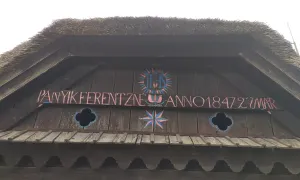
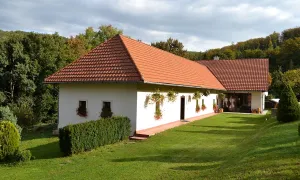
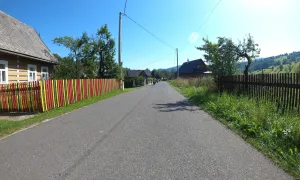
Real photos taken near the monument

Source and licence are given for each image.
Visitor Tips
No tips yet. Be the first!
Log in and add your tip.
Location on Map
More monuments – Osturňa
Show all in the town


Visitor photos
No photos yet. Be the first to add a photo from your visit!
Log in and add your photo or leave a rating.
You get more points for a visit verified in the app — we can tell from the GPS that you are there.
Reviews and comments