








súbor náhrobníkov Grave ensemble
The group of gravestones in the village of Svätý Jur, Bratislavský kraj, is a national cultural monument of Slovakia. It is located on the territory of the municipality and is registered under number ÚZPF 107-425. Created in the first half of the 17th century, specifically in 1646, this area represents Renaissance architectural style.
The group of gravestones consists of four individual objects. The first is gravestone i., created in 1646 and belongs to the Renaissance period. It is followed by gravestone ii., also from the Renaissance, with a date of 1648. The third object is gravestone iii., which dates back to 1690 and again belongs to the Renaissance period. The last one is gravestone iv., created in 1751, this time in Baroque style.
The group of gravestones is located at Svätý Jur in Bratislavský kraj. This area is protected as a national cultural monument and holds high value for its historical, architectural aspects, and overall cultural heritage of Slovakia.
Svätý Jur is a village with a rich history. Visiting this site offers the opportunity to view Renaissance and Baroque art, as well as the historical development of the village. This group of gravestones is an example of an architectural monument that integrates well into the regional landscape and cultural specificity.
Svätý Jur offers visitors the chance to see this group of gravestones and understand their significance for the community. This area is part of Slovakia's cultural heritage, and its visit is recommended to anyone interested in historical monuments.
Tehdy a dnes
Drag the slider and compare how the monument might have looked when it was built with the view today.
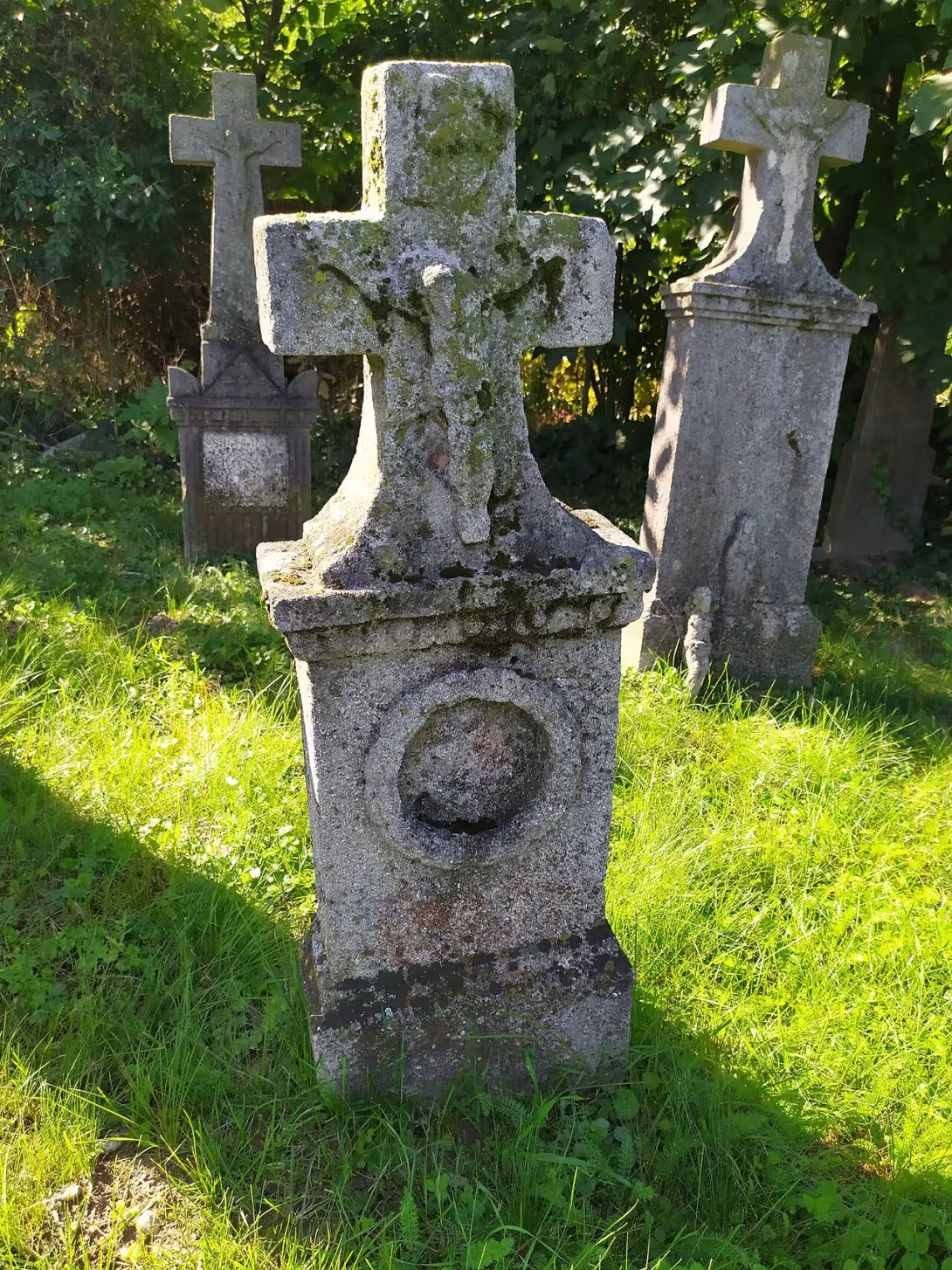
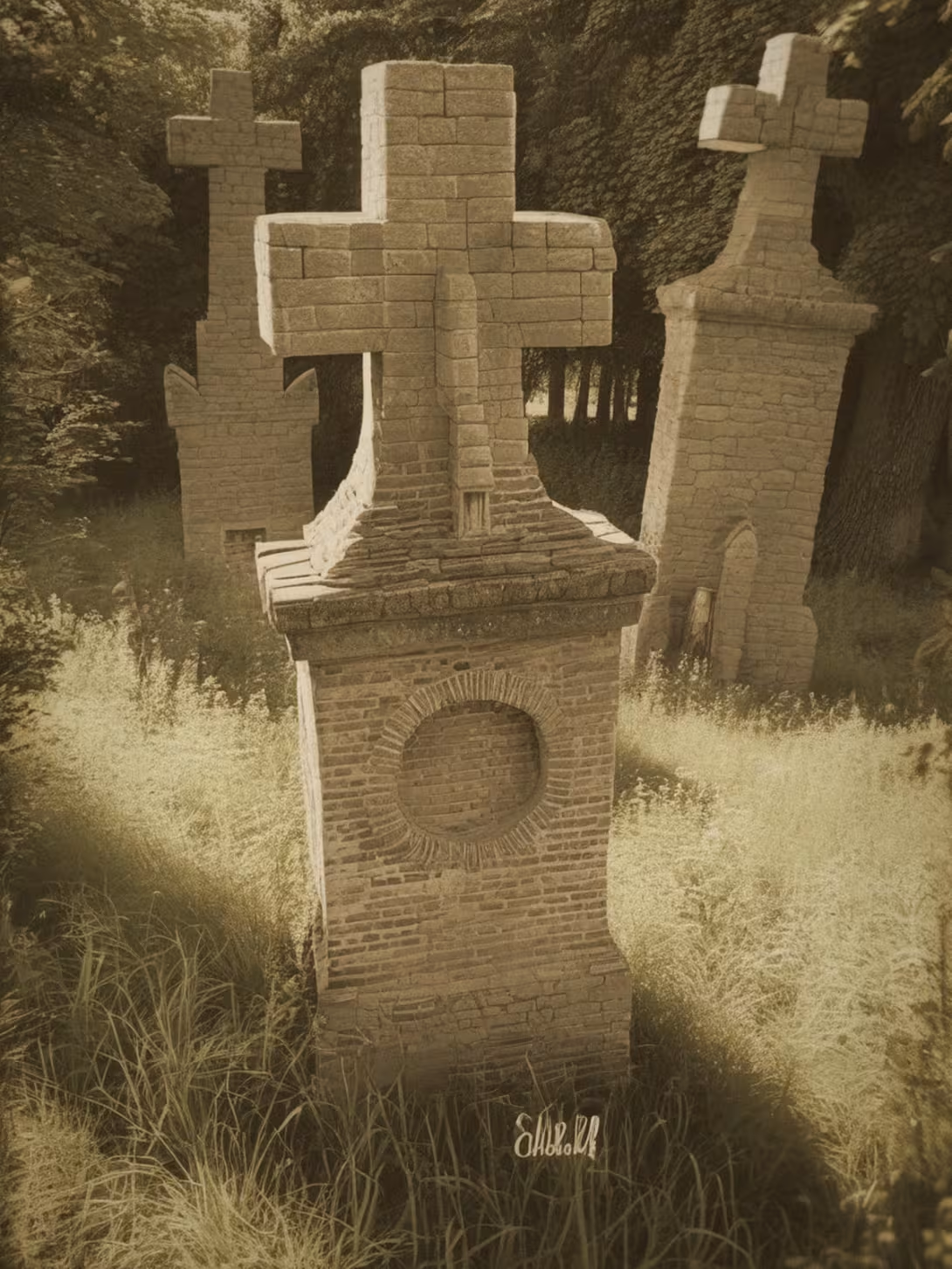
The historical view on the left is a visualisation generated by artificial intelligence and serves as inspiration.
Historical Milestones
- 1646
- The creation of the first Renaissance-style tombstone.
- 1648
- The creation of the second Renaissance-style tombstone.
- 1690
- The creation of the third Renaissance-style tombstone.
- 1751
- The creation of the fourth Baroque-style tombstone.
Interesting facts
– The collection of tombstones is a national cultural monument of Slovakia. – The site consists of four individual objects. – Three of the tombstones date back to the Renaissance period, specifically to the years 1646, 1648, and 1690. – The fourth tombstone was created in 1751 in the Baroque style.
Guide
Show guide text
The text was prepared by artificial intelligence and has not been editorially reviewed. It may contain inaccuracies.
Welcome to the historic site of Štýrský Hradok in the Bratislava Region, where you find yourself before a unique memorial marker - a collection of gravestones. This presence from the past evokes feelings of awe and raised eyebrows as you carefully peruse these ancient memorials that are unforgettable to all who visit. The collection of gravestones is located in an area where historical events and personalities have left their lasting mark. Although precise details about their creation are unknown, we can assume that these monuments were built at the beginning of several centuries and served as a reverent memorial space for many generations. This collection of gravestones, even though we do not know the specific architects or individuals associated with it, represents significant evidence of burial practices and community rituals from times past. Take a look at the gravestones. Their facades are full of historical symbols that testify to the artistry and tradition of those times. While specific architectural details from the foundation remain unknown, you can notice unique ornaments and patterns found on them. These elements speak of the artistry and aesthetics considered important during their creation. Although specific historical figures associated with the collection of gravestones are not known, it is possible to assume that these monuments served as a reverent memorial space for many notable personalities from this area. Each gravestone might be regarded as a friend, family member, or even a community member who lived and worked here. The intrigue of the collection of gravestones may lie precisely in the mysterious lack of knowledge about its specific creation and associated individuals. This absence of information adds to the site's certain atmosphere of mystification that testifies to an ancient past unwilling to fully reveal itself. An invitation is extended to explore other parts of Štýrský Hradok and its surroundings. Every piece of this history has a story depth that reveals itself only with attention and curiosity. During your visit, be aware that you are in a place full of secrets and stories waiting to be uncovered. Thank you for your interest in this historic collection of gravestones. May the spirits of the past playfully accompany you on your journey through Štýrský Hradok and let these unique moments stay with you.
Frequently asked questions
Can the monument be visited?
Cemeteries and graves are usually accessible; please respect the dignity of the place. We have not verified the opening hours of this cemetery. According to the heritage register the structure is in poor condition – do not enter it and take care nearby.
Where is the monument?
Location: Svätý Jur, Bratislavský kraj. The map on this page shows the exact spot.
Why is the monument protected?
It is listed in the Central List of the Monuments Fund of the Slovak Republic as a national cultural monument (ÚZPF no. 107-425).
Thematic route
Thematic walking route from the town of Svätý Jur
1. Tombstone Group (Tombstone set) Type: Historical monument The tombstone group in Svätý Jur represents a collection of ancient funerary monuments. Visitors can view detailed tombstones that are connected to the history of the area.
2. St. George's Church Type: Place of worship The church is an important center of public life and a key part of the local heritage. Its architecture and interior reflect the historical development of the town.
3. Svätý Jur City Museum Type: Museum facility The museum offers an insight into the history and culture of the town through its exhibits and exhibitions.
4. Park by the church Type: Green space The park provides a peaceful atmosphere for relaxation between visits to the monuments and the museum.
5. Svätý Jur City Park Type: Leisure and recreational area The city park offers various activities for all ages, including competitions and sports facilities. It is an ideal spot for social gatherings or individual activities.
This route offers a glimpse into the historical, cultural, and recreational offerings of the town of Svätý Jur.
Seasonal recommendations
The return of spring to the Holy Jura brings fresh greenery and blooming trees to the area around the group of gravestones. During this period, sunlight falls at a lower angle, creating long shadows on stone surfaces and highlighting the reliefs of the gravestones. The surrounding vegetation is more vibrant, and the landscape around the monument looks refreshed. For a spring visit, it's recommended to wear shoes with good support as paths can be slippery after rain. Temperatures are variable, so layered clothing is advisable. There are fewer visitors during this period than in summer, allowing for a peaceful exploration of the site. The ideal time for a walk is around noon when it's warmest.
Summer in the Holy Jura brings clear skies and long days. Sunlight is most intense at this time, revealing details on the stone gravestones. The area around the monument is full of greenery and tranquility. For the summer season, sun protection and maintaining hydration are recommended. Light, breathable clothing, a hat, and sunglasses are suitable. Due to higher visitor numbers in peak summer months, it's best to arrive early when paths are less crowded and temperatures are lower. Afternoon can be busier at the site, so plan your visit with enough buffer time.
Autumn in the Holy Jura brings a change of leaf colors that paint the surroundings of the gravestones group into golden-brown shades. The light is softer and warmer, creating a peaceful atmosphere. Nature sheds leaves, which form a natural carpet on the ground. For autumn, it's recommended to wear warmer and waterproof clothing and footwear as temperatures drop and rainy periods become more frequent. There are fewer visitors again, allowing for quieter observation. A good time is late morning when the light is suitable for photography.
Winter in the Holy Jura brings silence and snow cover that blankets the ground, giving the area of gravestones a frozen look. Short days and low sun create dramatic shadows. During this period, focus can be solely on the stone monuments and their details. For a winter visit, layered warm clothing, gloves, a scarf, and a hat are recommended. Footwear must be slip-resistant as snow and ice are slippery. Due to shorter days, it's best to arrive in midday hours when there is most light and warmth. Visitor numbers are lowest during this period, ensuring privacy and quiet.
Visualisations and artistic views

The visualisations are generated by artificial intelligence and serve as inspiration.
Visitor Tips
No tips yet. Be the first!
Log in and add your tip.


Visitor photos
No photos yet. Be the first to add a photo from your visit!
Log in and add your photo or leave a rating.
You get more points for a visit verified in the app — we can tell from the GPS that you are there.
Reviews and comments