








ľudový dom Vernacular house
To jest pomnik w postaci tradycyjnego domu ludowego położonego w wiosce Torysky w Prešovským kraju. Według rejestru Rady Ochrony Pamiatok Slovenskej Republiky, budowla jest klasyfikowana jako architektura ludowa i datuje się na drugą połowę XIX wieku.
Obiekt, zarejestrowany pod numerem ÚZPF 11049, składa się z jednej budynki. Jest to dom ludowy o konstrukcji drewnianej, który według oficjalnego opisu należy do tradycyjnego stylu budownictwa ludowego z końca XIX wieku.
Jeśli chodzi o cechy konstrukcyjne, budowla jest wykonana techniką drewnianych bel. Nie podano dalszych szczegółów dotyczących układu, planu pięter ani liczby pięter w dostępnych rejestrach.
Pomnik znajduje się pod adresem nr 113 w wiosce Torysky. Jest chroniony jako narodowy zabytek kultury. Jego dokładna lokalizacja jest określona współrzędnymi 49.09589, 20.67718.
Dom ludowy w Toryskach reprezentuje zachowany przykład tradycyjnej architektury ludowej z końca XIX wieku. Odwiedzenie tego miejsca daje możliwość odkrycia specyficznego typu architektury drewnianej charakterystycznej dla tej regionu.
Tehdy a dnes
Przeciągnij suwak i porównaj, jak zabytek mógł wyglądać w czasach powstania, z dzisiejszym widokiem.
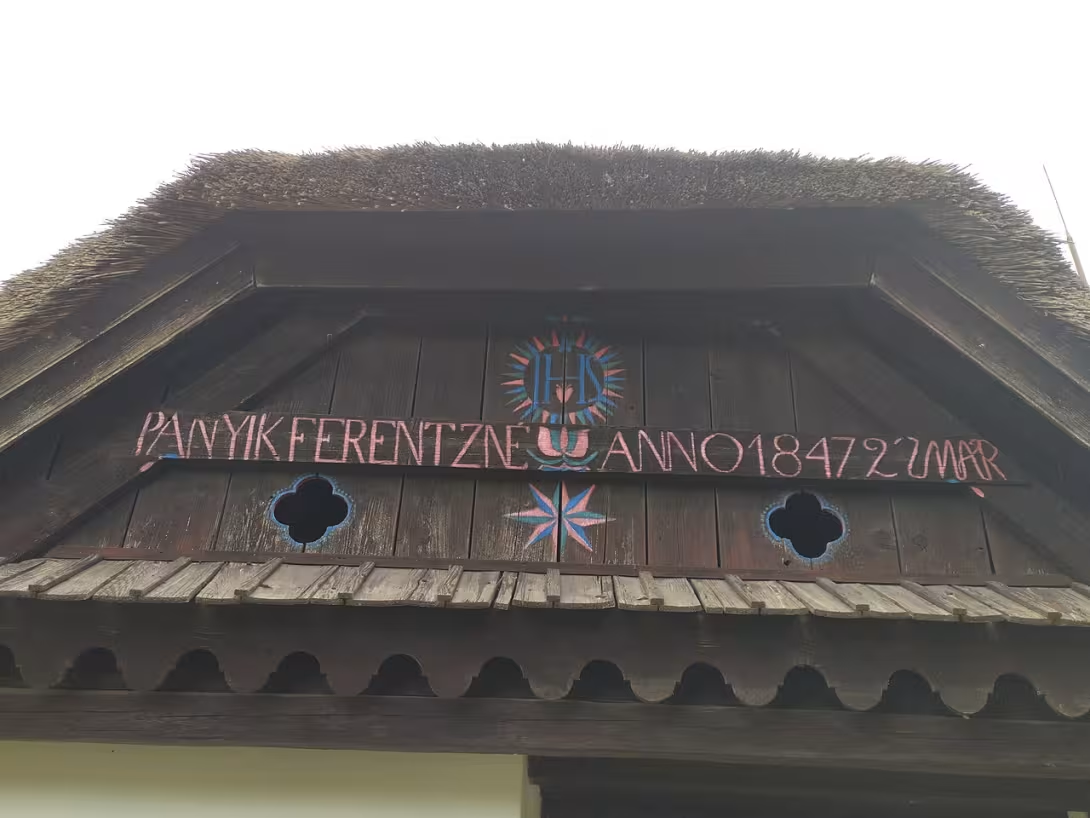

Historyczny widok po lewej to wizualizacja wygenerowana przez sztuczną inteligencję i służy jako inspiracja.
Historyczne kamienie milowe
- 1900
- Założenie ľudový dom w Torysky
- 19.0
- Budowa ľudový dom w konstrukcji zrębowej
Przewodnik
Pokaż tekst przewodnika
Tekst przygotowała sztuczna inteligencja i nie przeszedł kontroli redakcyjnej. Może zawierać nieścisłości.
Welcome, dear visitors. You are standing before a unique witness to local tradition – a folk house in the village of Torysky, in the heart of the Prešov Region. Even from a distance, you can tell that this building carries the spirit of past generations who lived, worked, and built their homes here. Its simple yet sturdy appearance, nestled among green fields and forests, invites you to pause for a moment and listen to the stories hidden within its walls. As you put on your headphones and begin this audio guide, a window into the past will open before you, where daily life intertwines with the cultural heritage of this region.
The house before you has been inhabited for many years, though its exact date of origin is unknown. Its architecture and construction were not recorded in historical documents, so it remains a mystery who designed it and when it was built. It is also unknown which personalities were connected to this house – no significant artist, politician, or teacher appears in the archives in connection with it. Yet, this very ambiguity adds to its charm, allowing us to perceive it as a symbol of the ordinary, yet immensely important, lives of the people who shaped and maintained the culture of this region.
Let us now look at the building itself and what you can observe with your own eyes. Notice how the building is situated on a gentle hill, providing a good view of the surrounding landscape. Its facade, though not adorned with intricate ornaments, radiates peace and stability. The elements that make up its exterior are simple and practical – typical of folk buildings that served to provide shelter and comfort for families. Notice how the walls merge with the foundation and how the overall shape of the house blends with the nature around it. This simple yet thoughtful design reflects the need for functionality and durability, which were essential for life in a mountain and foothill environment.
If you look closer at the windows, you will see that their size and placement provide ample light to the interior spaces. In the past, they served not only for illumination but also for ventilation and to connect the interior with the outside world. The doors, standing in their place, are firm and robust, suggesting they were constructed with longevity in mind. Observe how their surface changes under the influence of weather and time – small scratches and patina tell a story of many years during which the stories of the families who lived here opened and closed.
The architecture of folk houses in this region often reflects an adaptation to local conditions. While we do not know the specific building materials used for this house, we can imagine that available resources were used – wood from neighboring forests, stone from nearby quarries, and natural materials that ensured insulation and protection against inclement weather. Notice how the roof is designed to withstand rain and snow, and how the house's construction is sturdy enough to endure wind and winter. These elements, although not explicitly described in available sources, are typical of similar buildings and help us understand why such houses became the foundation of village life.
When we think about the folk house in Torysky, it is important to realize the role it played in the daily lives of the inhabitants. Such houses were the center of family activities—a place where meals were prepared, where children learned to read and write, where neighbors met, and where traditions were passed from generation to generation. Within these walls, joys and sorrows, celebrations and mournful moments unfolded, making it important to perceive them as a living testament to the region's cultural heritage. Although we do not know the specific names of the people who lived here, we can imagine that their lives were closely intertwined with nature, agriculture, and the crafts that shaped the daily reality of this valley.
An interesting aspect surrounding this house is its obscure origin. Since there are no written records of when or by whom it was built, the question of what stories are hidden behind its walls remains open to us. Some locals whisper that the house may have served as a refuge during difficult times, or that it might have been a center for community gatherings. Others believe that old family treasures and memories were kept in its attic. This mystery adds to its magical aura and sparks the imagination of anyone who approaches it. Perhaps it is this very ambiguity that makes the house such a fascinating object, enticing visitors to reflect on the stories that may be hidden in its quiet corners and in the dust of old beams.
If you decide to walk around the house and observe its surroundings, you will notice it is surrounded by old trees that have guarded this piece of landscape for centuries. Their roots are intertwined with the history of the place, and their leaves whisper stories of wind and sun. The surrounding meadow, where crops were once grown, offers a glimpse into a traditional way of life, where the land and its harvest were closely linked to the daily existential rhythm. Notice how the sound of birds mixes with the muffled rustling of leaves, reminding you that folk houses are not just building structures, but part of a living ecosystem that changes with the seasons.
Now that you have gone through the basic information about this place, we invite you to immerse yourself deeper into the atmosphere and let yourself be carried away by the thought that every stone or wooden part of this house has its own story. Take a moment of silence, close your eyes, and imagine family celebrations taking place in these spaces, children learning to walk on the old floors, and elders talking about their experiences. This is an opportunity to connect with the past and feel part of a continuity that persists even today.
Finally, we would like to invite you not to stop at just the exterior view. If you have the chance, walk around the area and discover other traditional buildings that form the cultural context of this part of the Prešov Region. Visit local museums, where you can find exhibits dedicated to folk architecture and village life. Talk to the local residents, who may reveal personal stories and memories associated with this house. Every conversation, every visit contributes to a better understanding of what this folk house represents – not just as a historical object, but as a living legacy that connects the past with the present.
Thank you for taking the time and attention to this audio guide. We hope that your visit to the Folk House in Torysky has inspired you and opened new perspectives on the rich culture and traditions of our region. May this experience accompany you on the next steps of your journey, and may it bring you joy in discovering and understanding the past, which is the foundation of our shared identity. We wish you a pleasant and educational trip, and when we part ways, may the memories of this house stay with you for a long time. We have learned that every journey we undertake is also a journey to ourselves and to the people who lived before us. We wish you a safe journey and look forward to further encounters in the heart of our villages.
Wskazówki dla odwiedzających
Najlepiej zaplanować wizytę na jesień lub wiosnę, gdy jest mniej tłoczno.
Pamiętaj, aby zabrać wodę i założyć wygodne obuwie. Poranne światło jest idealne do fotografowania budynków.
Miejscowe muzeum znajduje się w promieniu 30 minut. Teren jest odpowiedni dla rodzin z dziećmi, ponieważ ścieżki są płaskie.
Częste pytania
Czy zabytek można zwiedzić?
To budynek mieszkalny lub gospodarczy, a nie muzeum z godzinami otwarcia. Obejrzyj go z przestrzeni publicznej i uszanuj prywatność właścicieli. Nie mamy informacji o dostępie do wnętrza.
Gdzie znajduje się zabytek?
Lokalizacja: č. 113, Torysky, Prešovský kraj. Dokładne miejsce pokazuje mapa na tej stronie.
Dlaczego zabytek jest chroniony?
Zabytek jest wpisany do Centralnego Wykazu Zasobu Zabytkowego Republiki Słowackiej jako narodowy zabytek kultury (nr ÚZPF 414-11049).
Pre deti
Wyobraź sobie podróż w czasie. Nie potrzebujesz maszyny; wszystko, czego potrzebujesz, to wyobraźnia. Przenosisz się 126 lat wstecz. Świat jest inny: nie ma telefonów komórkowych, internetu ani elektrycznego oświetlenia. Około roku 1900 ten dom stał w wiosce Torysky. Był nowy, pachnący świeżym leśnym drewnem i czarną owsią.
W okolicy
🏰 Zabytki historyczne (50)
- Klembara Ján 2.6 km
- Tragické letecké neštastie 4.9 km
- SNP 4.9 km
- Partizánske boje 5.8 km
- Pamätník padlým v 1. a 2. svetovej vojne 7.2 km
- Panna Mária 8.0 km
- Panna Mária 8.1 km
- sv. Ján Pavol II. 8.2 km
- sv. Ján Nepomucký 8.2 km
- Corneliusova chata 8.5 km
- sv. Hubert 9.7 km
- Július Bálint 9.7 km
- sv. František z Assisi 9.8 km
- Thurzov dom 9.9 km
- Ľudovít Štúr 9.9 km
- Dom Majstra Pavla z Levoče 10.1 km +421 53 451 3496 web
- Slovenské národné múzeum - Spišské múzeum v Levoči 10.1 km Mäsiarska 298/18
- Historická radnica 10.1 km +421 532457000 web
- 700. výročie Levoče 10.1 km
- Klietka hanby 10.1 km
🍽️ Restauracje i gastronomia (62)
- Hostinec 0.3 km
- u Červeného 3.3 km
- Levoča Nordic Centrum - kaviareň 4.7 km +421 903 770 075 web
- Lipa 6.2 km web
- Reštaurácia Kováčova Vila 8.3 km
- Fresh Corner 8.9 km
- Šport Pub 9.8 km
- Levočská kaviareň 9.8 km
- Pizzeria MamaMia 9.9 km
- Boutique hotel a Reštaurácia Pracháreň 9.9 km Baštová 3143/1A
- Slovenka 9.9 km
- Kupecká bašta 9.9 km +421 908 989 626 web
- Kaviarnička Levoča 9.9 km
- Výberofka 9.9 km web
- Mestský pivovar 9.9 km
- U Troch Apoštolov 10.0 km
- Art Galery Cafe 10.0 km
- Happy Food 10.0 km
- Teatro Café 10.0 km
- Zmrzlina Oáza 10.0 km
🏨 Noclegi (42)
- chata Hrby 2.2 km
- Javorinka 3.5 km
- Chata Bobor 3.6 km +421905475054
- Chata Levočské vrchy 3.6 km web
- Kameň 4.3 km
- Vinná 5.1 km
- Drevenica Pod lipou 5.9 km Levočská Dolina 1034/9 web
- Gehuľa 6.9 km
- Chmeľov 7.0 km
- Levočská dolina 8.3 km +421 903 255 440 web
- Penzión Pod Mariánskou horou 8.3 km
- Penzión Hubert 8.5 km web
- Peklo 9.6 km
- Kiska 9.8 km web
- GARNI - Hotel Barbakan 9.8 km web
- Hotel Satel 10.0 km
- Rezidencia Levočský Pivovar 10.1 km
- Stredná pedagogická škola - internát 10.1 km
- Hotel u Leva 10.1 km
- Hotel Arkáda 10.1 km web
🚲 Wypożyczalnie i sport (1)
- eMo BICYKLE 9.9 km +421905913338
🥾 Turystyka i przyroda (215)
- Klimova hora 1.1 km
- Šadov 1.3 km
- Peciská 1.3 km
- Obšar 2.0 km
- Na Brinky 2.1 km
- Panský vrch 2.5 km
- Klin 2.6 km
- Uhlisko 2.8 km
- Brinky 2.9 km
- Okrúhly hrb 2.9 km
- Stredný vrch 3.0 km
- Mačací zámok 3.2 km
- Hora 3.3 km
- Košariská 3.3 km
- Podruša 3.6 km
- Veľká Krásna 3.7 km
- Hŕbok 3.7 km
- Na Bielkach 3.7 km
- Malá Krásna 3.8 km
- Javoríčka 3.8 km
Tematyczna trasa
1. Courtyard – obszar wejściowy z tradycyjną architekturą wsi Torysky.
2. House Interiors – wystawa mebliwanych pokoi przedstawiająca codzienne życie i zwyczaje mieszkańców.
3. Garden and Outbuildings – tereny obejmujące gospodarskie budynki i pomocnicze struktury ludowego domu.
Sezonowe rekomendacje
Zalecenia sezonowe dotyczące odwiedzenia domu ludowego.
Monument: Dom ľudový (Dom Ludowy), Torysky, Prešovský kraj
Status:
WIOSNA: Wiosną otoczenie jest w kwiecie. Zaleca się ubranie wygodne i przybycie przed godziną 10:00, aby uniknąć tłumów.
LATO: Latem otoczenie jest słońcem oświetlone. Zaleca się ubranie lekkie i przybycie przed godziną 11:00, aby uniknąć tłumów.
JESIEN: W jesieni otoczenie jest mniej jasne. Zaleca się ubranie ciepłe i przybycie przed godziną 14:00, aby uniknąć tłumów.
ZIMA: Zimą otoczenie jest mniej jasne. Zaleca się ubranie ciepłe i przybycie przed godziną 12:00, aby uniknąć tłumów.
Wizualizacje i widoki artystyczne


Wizualizacje są generowane przez sztuczną inteligencję i służą jako inspiracja.
Fotografie z okolic
Prawdziwe zdjęcia z okolic zabytku


Źródło i licencja są podane przy każdym zdjęciu.
Wskazówki od odwiedzających
Brak wskazówek. Bądź pierwszy!
Zaloguj się i dodaj swoją wskazówkę.
Lokalizacja na mapie
Więcej zabytków – Torysky
Pokaż wszystko w gminie



Zdjęcia odwiedzających
Brak zdjęć. Bądź pierwszy, kto doda zdjęcie z wizyty!
Zaloguj się i dodaj swoje zdjęcie albo oceń.
Za wizytę potwierdzoną w aplikacji dostajesz więcej punktów — po GPS poznamy, że jesteś na miejscu.
Recenzje i komentarze