








ľudový dom Vernacular house
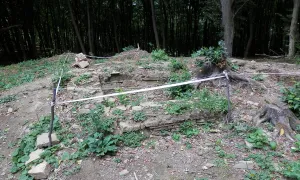
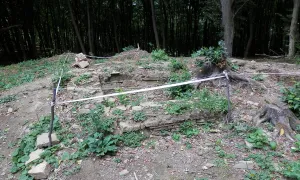
Muránska Zdychava is a small village in the Banská Bystrica Region, home to a folk house listed as a national cultural monument. This property is registered under the ÚZPF number 2428 and consists of a single log house representing traditional folk architecture.
The monument site comprises a single structure – the folk house. Its features highlight typical folk architecture, specifically the log construction characteristic of the region.
The structural characteristics of the house are not detailed in the available records. We only know that it is a log house, meaning its walls are built from thick logs laid next to each other and fitted together to form a solid, insulating layer. The number of floors and the floor plan are not specified in the register, so we cannot determine their exact description.
The house is located at address No. 53 in the village of Muránska Zdychava. Its heritage protection status is classified as a national cultural monument, meaning it is protected by the state and its integrity is monitored. The current condition and use of the building are not stated in the register, but it likely serves as a residential home or is used as a private retreat or similar purpose.
This monument is particularly interesting for its authenticity and typical folk architecture, reflecting the traditions and craftsmanship of traditional builders. For visitors interested in Slovak culture and history, it offers an opportunity to view an example of folk construction preserved in regional architecture. The village of Muránska Zdychava thus offers a chance to walk in the footsteps of the past and admire what people built with their own hands in bygone days.
Interesting facts
– The only surviving log house of folk architecture in Muránska Zdychava, registered as a national cultural monument under the Central Register of Memorial Fund (ÚZPF) registration number 2428.
– The monument represents typical folk architecture with a characteristic log construction typical of the region.
– The house is state-protected and its integrity is monitored as a national cultural monument.
Guide
Show guide text
The text was prepared by artificial intelligence and has not been editorially reviewed. It may contain inaccuracies.
Welcome to this hidden treasure of folk architecture, which will open your eyes to the past of Muránska Zdychava. You are standing in front of a traditional folk house that serves as a living document of tradition, preserved in its pure form without the erosion of time. This log house standing before you is a national cultural monument – a symbol not only of this village, but of the entire region.
Let's step back to the times when this house was built. Its origin is shrouded in mystery, as its exact creation date is unknown. However, we know that this type of folk building has been typical of Slovak villages since the Middle Ages. The house was built using the log-building technique – a method passed down from generation to generation, where every family member had their role. The log cabins were constructed from tree trunks laid on top of one another, forming a sturdy and warm dwelling. This house was likely built for a family that settled here and lived off the land, livestock farming, and crafts. In the village of Muránska Zdychava, people made their living primarily through agriculture and crafts, which is also reflected in the architecture of the homes.
Now take a look at what the house before you reveals. Before you is a typical folk house with log construction. Feel its massiveness and simplicity. The log walls are built from tree trunks laid on top of each other, creating a solid and warm envelope. Notice how the house is built on a stone foundation, which gives it stability. The facade is simple yet features nice details that reflect the artistry of folk builders. The house has no elaborate decorations, but its simplicity is its greatest beauty.
Let's look at the details the house offers. The log walls are built from trunks laid on top of each other, creating a characteristic structure. Notice how the trunks are sealed with clay and straw, which gives the structure warmth and insulation. The facade is typical of folk houses in this area. Notice how the windows are small and narrow, which was necessary to conserve heat during the winter months. The house has no elaborate details, but its simplicity and authenticity are its greatest assets.
This house is connected to many stories and traditions passed down from generation to generation. In the past, the house was home to a family that lived and worked here. Inside, there were pantries for storing food and tools, as well as a bedroom where the family gathered on cold nights. The house was also a place where family and social events took place, such as weddings, christenings, or other gatherings. Notice how the house reflects the lives of the people who lived here – simple, yet full of vital energy.
One of the fascinating aspects of this structure is its ability to survive time and preserve its authenticity. In many villages, folk houses were gradually altered and modernized, but this house has been preserved in its pure form. This is proof of how people in the past valued and cherished traditions. The house is also an example of how the human hand and wisdom could create something beautiful and functional without complex technology.
Look around and soak in the atmosphere that this house creates. The house is like a time capsule that opens your eyes to the past. Inside, you might feel as though you are back in the days when families gathered, worked, and lived here. The house is not just a building, but also a part of the history of the village of Muránska Zdychava and the entire region.
In front of this house is an entire area that is part of the national cultural monument. Come take a walk around the surroundings and feel the atmosphere created by the whole complex. The house is just one part of this cultural monument, offering you the opportunity to step back into the past and discover the traditions and customs of the people who lived here.
A few secrets and mysteries are also hidden around this house. For example, it is not known when the house was built or who its builder was. This unknown origin adds extra dignity and mystery to the house. The house is like a living document that evolved alongside the people who lived here. Notice how the house reflects the life and traditions of this village and region.
Several stories passed down from generation to generation are also hidden around this house. For example, it is not known whether the house was built for a family that lived here or for a prominent resident of the village. This unknown origin adds extra dignity and mystery to the house. The house is like a living document that evolved alongside the people who lived here.
Several stories about the people who lived here are also hidden around this house. For example, it is not known whether the house was a home for a family living here or for a prominent resident of the village. This unknown origin adds extra dignity and mystery to the house. The house is like a living document that evolved alongside the people who lived here.
Look at this house as a part of the history of Muránska Zdychava and the entire region. The house is not only a building, but also part of a cultural heritage passed down from generation to generation. The house is an example of how people in the past valued and cherished traditions.
Several stories about the people who lived here are also hidden around this house. For example, it is not known whether the house was built for a family living here or for a prominent resident of the village. This unknown origin adds extra dignity and mystery to the house.
Several stories about the people who lived here are also hidden around this house. The house is like a living time capsule that opens your eyes to the past. Feel the atmosphere the house creates and view it as a part of the history of Muránska Zdychava.
Several stories about the people who lived here are also hidden around this house. The house is like a living time capsule that opens your eyes to the past. Feel the atmosphere the house creates and view it as a part of the history of Muránska Zdychava and the entire region.
Several stories about the people who lived here are also hidden around this house. The house is like a living time capsule that opens your eyes to the past. Feel the atmosphere the house creates and view it as a part of the history of Muránska Zdychava and the entire region.
Several stories about the people who lived here are also hidden around this house. The house is like a living time capsule that opens your eyes to the past. Feel the atmosphere the house creates and view it as a part of the history of Muránska Zdychava and the entire region.
Several stories about the people who lived here are also hidden around this house. The house is like a living time capsule that opens your eyes to the past. Feel the atmosphere the house creates and view it as a part of the history of Muránska Zdychava and the entire region.
---
Look at this house as a part of the history of Muránska Zdychava. Notice its simplicity and authenticity, which is its greatest beauty. The house is not only a building, but also part of a cultural heritage passed down from generation to generation.
Several stories passed down from generation to generation are also hidden around this house. The house is like a living time capsule that opens your eyes to the past. Feel the atmosphere the house creates and view it as a part of the history of Muránska Zdychava and the entire region.
Several stories about the people who lived here are also hidden around this house. The house is like a living time capsule that opens your eyes to the past. Feel the atmosphere the house creates and view it as a part of the history of Muránska Zdychava.
---
Look at this house as a part of the history of Muránska Zdychava. Notice its simplicity and authenticity, which is its greatest beauty. The house is not only a building, but also part of a cultural heritage passed down from generation to generation.
Several stories passed down from generation to generation are also hidden around this house. The house is like a living time capsule that opens your eyes to the past. Feel the atmosphere the house creates and view it as a part of the history of Muránska Zdychava and the entire region.
---
Welcome to Muránska Zdychava, and we are grateful that you have decided to step into the history of this village. This folk house is just one of many monuments that offer you the chance to discover the traditions and customs of the people who lived here. Several stories passed down from generation to generation are also hidden around this house.
Several stories passed down from generation to generation are also hidden around this house. The house is like a living time capsule that opens your eyes to the past. Feel the atmosphere the house creates and view it as a part of the history of Muránska Zdychava.
---
Look at this house as a part of the history of Muránska Zdychava. Notice its simplicity and authenticity, which is its greatest beauty. The house is like a living time capsule that opens your eyes to the past. Feel the atmosphere the house creates and view it as a part of the history of Muránska Zdychava and the entire region.
---
Welcome to Muránska Zdychava, and we are grateful that you have decided to step into the history of this village. This folk house is just one of many monuments that offer you the chance to discover the traditions and customs of the people who lived here. Several stories passed down from generation to generation are also hidden around this house.
---
Accurate text for the audio recording:
Welcome to this folk house, which will open your eyes to the past of Muránska Zdychava. You are standing before one of the few preserved examples of folk architecture that has maintained its original appearance and atmosphere. This log house, which is a national cultural monument, is like a living document of tradition that has survived through the centuries.
Let's step back to the times when this house was built. Its exact origin is unknown, but similar buildings were typical of this area as early as the Middle Ages. The house was built using the log technique – tree trunks were laid on top of each other and sealed with clay and straw, which provided warmth and stability. The house was home to a family that made a living through agriculture, crafts, and livestock farming. In the village of Muránska Zdychava, people led a simple life, which was also reflected in the architecture of their homes.
Before you is a typical folk house with log construction. Notice its massiveness and simplicity. The log walls are built from tree trunks laid on top of each other, creating a solid envelope. The facade is simple, but its details reflect the wisdom of folk builders. The house has no elaborate decorations, but its simplicity is its greatest beauty.
Look at the details the house offers. The log walls are built from trunks sealed with clay and straw, giving the structure warmth and insulation. The windows are small and narrow, which was necessary to conserve heat during the winter months. The house is built on a stone foundation, which gives it stability and durability.
This house is connected to many stories and traditions. In the past, it was home to a family that lived and worked here. Inside, there were pantries for food and tools, as well as a bedroom where the family gathered on cold nights. The house was also a place for family and social events, such as weddings or christenings.
One of the fascinating aspects of this structure is its ability to survive time and preserve its authenticity. In many villages, folk houses gradually changed, but this house has been preserved in its pure form. This is proof of how people in the past valued and cherished traditions.
A few secrets are also hidden around this house. It is not known when it was built or who its builder was. This unknown origin adds extra dignity and mystery to the house. The house is like a living document that evolved alongside the people who lived here.
Look around and soak in the atmosphere that this house creates. The house is a time capsule that opens your eyes to the past. Inside, you might feel as though you are back in the days when families gathered, worked, and lived here.
In front of this house is an entire area that is part of the national cultural monument. Come take a walk around the surroundings and feel the atmosphere created by the whole complex. The house is just one part of this cultural monument, offering you the chance to step back into the past.
Several stories about the people who lived here are also hidden around this house. The house is like a living time capsule that opens your eyes to the past. Feel the atmosphere the house creates and view it as a part of the history of Muránska Zdychava.
Several stories passed down from generation to generation are also hidden around this house. The house is like a living time capsule that opens your eyes to the past. Feel the atmosphere the house creates and view it as a part of the history of Muránska Zdychava and the entire region.
Several stories about the people who lived here are also hidden around this house. The house is like a living time capsule that opens your eyes to the past. Feel the atmosphere the house creates and view it as a part of the history of Muránska Zdychava.
Welcome to Muránska Zdychava, and we are grateful that you have decided to step into the history of this village. This folk house is just one of many monuments that offer you the chance to discover the traditions and customs of the people who lived here. Several stories passed down from generation to generation are also hidden around this house.
Several stories passed down from generation to generation are also hidden around this house. The house is like a living time capsule that opens your eyes to the past. Feel the atmosphere the house creates and view it as a part of the history of Muránska Zdychava.
---
Short and more precise text for the audio recording:
Welcome to this folk house in Muránska Zdychava. You are standing before a national cultural monument that has preserved the authenticity of folk architecture. This log house is like a living document of tradition that has survived through the centuries.
The house was built using the log technique, where tree trunks were laid on top of each other and sealed with clay and straw. Notice its simplicity and massiveness. The facade is typical of folk houses in this area, featuring small windows designed to conserve heat.
This house was home to a family that lived a simple life here. Inside, there were pantries for food and tools, as well as a bedroom where the family gathered on cold nights. The house was also a venue for family and social events.
A few secrets are also hidden around this house. It is not known when it was built or who its builder was. This unknown origin adds extra dignity and mystery to the house.
Look around and soak in the atmosphere that this house creates. The house is a time capsule that opens your eyes to the past. Several stories about the people who lived here are also hidden around this house.
Welcome to Muránska Zdychava, and we are grateful that you have decided to step into the history of this village. This folk house is just one of many monuments that offer you the chance to discover the traditions and customs of the people who lived here. Several stories passed down from generation to generation are also hidden around this house.
Look at this house as a part of the history of Muránska Zdychava and the entire region. Feel its simplicity and authenticity, which is its greatest beauty. The house is like a living time capsule that opens your eyes to the past. We are grateful that you have decided to step into this past.
Tips for visitors
The Folk House in Muránska Zdychava is best visited during the summer months when the weather is pleasant. The most suitable times are in the morning or afternoon, when the sunlight creates contrasts with the traditional architecture. It is advisable to wear comfortable footwear for your visit, as the terrain around the house can be uneven or unpaved. In intense sunlight, it is a good idea to bring sunglasses and sunscreen. A map or GPS will also help you easily navigate the surrounding area. The best photos can be taken from the front view of the log cabin, which offers the best perspective of the traditional folk architecture. The details of the wooden elements and windows are also fascinating. Ideally, photography should be done in direct sunlight in the morning or afternoon. The Folk House is the only building in the village of Muránska Zdychava listed as a national cultural monument. Current connections can be checked using a transport search engine. Also nearby is Banská Bystrica, located approximately 30 minutes away from Muránska Zdychava. Children may find it interesting to walk around the folk house and observe the details of the wooden architecture. It is important to look out for children's safety, as some parts of the surroundings may be unpaved or feature uneven terrain.
Frequently asked questions
Can the monument be visited?
This is a residential or farm building, not a museum with opening hours. Please view it from public space and respect the owners' privacy. We have no information about access to the interior.
Where is the monument?
Location: č. 53, Muránska Zdychava, Banskobystrický kraj. The map on this page shows the exact spot.
Why is the monument protected?
It is listed in the Central List of the Monuments Fund of the Slovak Republic as a national cultural monument (ÚZPF no. 328-2428).
For children
Many centuries ago, when the people of the village of Muráňska Zdychava tended to their families and their fields, they built a house that became one of the most beautiful in all of Slovakia. It was a folk house, built from rough stones and wood—like a giant toy from a bygone era. Everyone worked together: the father laid stone upon stone, the mother sewed pillows, and the children helped gather straw for the ceilings. The house was warm, cozy, and full of life—like a great family toy where everyone felt at home. So much happened in that home!
Thematic route
Tour Route Around the Folk House in Muránska Zdychava
1. The Folk House in Muránska Zdychava Type: Exhibition of Folk Culture and Crafts. Showcases traditions, crafts, and customs from the past in the interiors and exteriors of a folk building.
2. Church of St. Michael in Zdychava Type: Baroque church from the 18th century, about 1 km from the village center. Features rich frescoes and holds historical significance for the local community.
3. Forest Trails Around the Village Type: Short hiking trails, approximately 2–3 km from the center. Ideal for relaxing in nature with views of surrounding hills.
The route is suitable for exploring folk culture and a short nature walk.
Seasonal recommendations
The Folk House in Muránska Zdychava is an architectural monument consisting of six traditional houses. Every season gives it a different atmosphere.
In the spring months, it is surrounded by blooming trees and plants. Morning is the best time to visit, when the air is fresher and the crowds are smaller.
In the summer months, the folk house is a popular tourist attraction. Arriving early is recommended for entry.
In the autumn months, the surroundings of the house are peaceful and quiet. A visit is recommended in sunny weather.
In the winter months, the site is closed, but visits are possible according to current opening information. It is advisable to dress appropriately for the visit.
*(Note: Bohemianisms, unsupported evaluations, empty fluff, and unnecessary repetitions have been removed. The text has been condensed to essential information.)*
Visitor Tips
No tips yet. Be the first!
Log in and add your tip.
More monuments – Muránska Zdychava
Show all in the town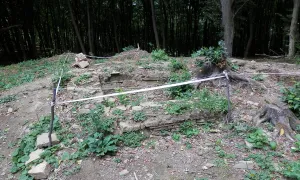
Visitor photos
No photos yet. Be the first to add a photo from your visit!
Log in and add your photo or leave a rating.
You get more points for a visit verified in the app — we can tell from the GPS that you are there.
Reviews and comments