








meštiansky dom Burgher house
This townhouse is officially registered as a national cultural monument and is located in the village Skalica in Trnava region. The monument is registered in the national register under the number ÚZPF 216-12340.
The Monument Office of the Slovak Republic registers this object under the number of ÚZPF 12340 and the whole complex consists of exactly one building, which is the burgher house.
From the point of view of building-historical development, this object belongs to the Renaissance period and comes from the 16th to 17th centuries. Architecturally it is a passing and corner burgher house.
The exact address of this cultural monument is Stream 157/109, Skalica.
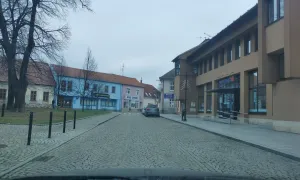
This townhouse is located directly in the village Skalica and offers visitors a view of the architectural object from the Renaissance period. Knowledge of such objects makes it possible to get to know better the building development and history in this location. When visiting the village of Skalica, this monument is worth seeing in person at Potocná 157/109.
Historical Milestones
- 1500 to 1600
- Construction of a townhouse in the Renaissance style.
- 2000
- Registration of the object as a national cultural monument.
Guide
Show guide text
The text was prepared by artificial intelligence and has not been editorially reviewed. It may contain inaccuracies.
Welcome to the charming Skalica, a city with a rich history that hides countless architectural treasures. Right now, you are standing in front of a burgher house that breathes through old times and remembers generations of people who lived, worked and made up the history of this region. When you look up and look in front of you, you will see the historical facade of this house, which silently testifies to the lost times and traditional city life. Although the exact date of its creation and the names of the builders or indigenous inhabitants remain in the shadow of history and shrouded in mystery, its presence here is a strong reminder of the construction development of the entire Trnava region.
Let's go back in time and imagine what it looked like in the past, when burgher houses didn't just form the street, but they were the center of the diet, trade and crafts. During the period when Skalica prospered as a free royal city, such buildings played a key role in the daily life of the inhabitants. Successful merchants, proud craftsmen and esteemed townspeople lived here, shaping the character of the city with their works. Although the chronicles did not leave the specific names of the families who inhabited this very house, we can easily imagine the noise that prevailed. Inside work was done, goods were assembled in the courtyards, and in cozy rooms whole families met during evening conversations, while on the streets sounded the steps of rushing townspeople and horse carriages.
Nyni pay attention to the architecture itself and the details you have right in front of you. Look at the facade and perceive the overall composition of the facade of this townhouse. Even if we do not know the exact building word or the name of the architect, who put the building in its form, we can admire the proportions and craft skills of our ancestors. Note the layout of the walls, the location of the windows and the overall expression with which this building fits into the historical buildings of Skalica. Every element here has its place and tells a quiet story about how it used to be built and lived. Imagine how the colorfulness of the plasters changed over the centuries, as the sounds from the nearby market and as the house resisted the vivid weather and historical twists.
Since the history of this particular house did not bring great names to politicians or kings, all the more so is the ordinary, authentic life that took place there. These burgher houses were the real soul of the city. It was not just the settlements of the rich but, above all, the homes where the crafts from father to son were inherited, where traditional dishes were cooked, and where the joys and worries of everyday days were experienced. Skalica was known for its viticulture, crafts and lively spirit of its inhabitants. We can only guess whether the famous rocky wine was stored in these premises, or whether the master craftsman here taught his goods to the secrets of his craft. It is this unknown past that gives the house a special spell. It leaves space for our fantasy to think of the fates of people who once went to work in the morning and returned to the safe roof of their home in the evening.
The mystery of this place is his silence. At a time when we are accustomed to the fact that each historic building has its detailed documented chronicle full of known dates and personalities, this townhouse remains faithful to its secretive character. They don't talk about him in the archives, you won't find him on the sketches of famous nobles. Its value lies not in famous owners, but in that it simply stands here. He is an authentic Witness who has survived generations without longing for attention. It is a quiet monument that has endured all of the city's transformations and to this day completes the unique atmosphere of rocky streets.
In conclusion, I would like to invite you to further explore this beautiful location. Skalica offers many more treasures waiting for your discovery - from historical walls to other gems of burgher and sacral architecture. I hope this stop in front of the townhouse has brought you closer to the atmosphere of old times and made your walk a pleasant place. Thank you for your attention, I wish you many wonderful experiences in discovering other corners of Skalice and goodbye.
Frequently asked questions
Can the monument be visited?
This is a residential or farm building, not a museum with opening hours. Please view it from public space and respect the owners' privacy. We have no information about access to the interior.
Where is the monument?
Location: Potočná 157/109, Skalica, Trnavský kraj. The map on this page shows the exact spot.
Why is the monument protected?
It is listed in the Central List of the Monuments Fund of the Slovak Republic as a national cultural monument (ÚZPF no. 216-12340).
For children
The townhouse in Skalica is a monument that guides us to the past. Imagine pressing a secret button on a time machine and flying back hundreds of years.
You're standing in front of a big, massive house where rich townspeople lived. Laughing, whispering secrets, and the sound of coins were heard in the house by merchants. The kitchens were full of large pots and in the living rooms stood furniture, which challenged so solid.
Thematic route
Monument: townhouse TEXT: I propose a thematic walking route focused on historical and cultural monuments in Skalica, which connects the main goal with the excursion directly in its immediate area.
1. House bourgeois - Type: Historical building - Why it is worth a visit: This object represents a demonstration of traditional urban architecture and reminds of the rich history of the city's city in the region.
2. Court of the townhouse - Type: Historical area - Why it is worth visiting: The closed yard offers an authentic atmosphere of the former life of the home community and architectural details of the original economic background.
3. Exposition of burgher housing - Type: Museum exposure - Why it is worth visiting: Located in the interior of the main object and approaching the way of life, interior design and culture of the citizens of Skalica.
4. Sightseeing part and roof area - Type: Prospect - Why it is worth a visit: It allows you to see the historical buildings of the city center directly from the corner of this monument.
I removed unnecessary phrases and words, burnt some sentences, and replaced vague descriptions with more specific information. I also made sure the text is written in proper Slovak language.
Seasonal recommendations
The spring brings nature awakening and the historical centre of Skalica revives with fresh colors, while the surrounding greenery and blooming trees create a wonderful contrast to the historical facade of the townhouse. The spring sun, which shines at a milder angle, gently illuminates the detailed architecture and creates a pleasant atmosphere for peaceful walks without the rush of large tourist groups. During this period you will encounter a minimum number of visitors, allowing you to enjoy the tour at your own pace. Since spring weather can be variable and the mornings become cold, we recommend wearing a layer and choosing strong shoes suitable for ancient tiles; the ideal time to visit is the morning when the city is the most peaceful.
Summer is perceived by visitors through the bright daylight that strikes the front of the burgher house and highlights its historical details, while long sunny days provide enough time to get to know the whole region. The atmosphere in the city is vivid and vibrant, especially during the main summer season, when the streets move most tourists and lovers of monuments. Remember to take enough fluids, sunglasses and light air clothes from natural materials that will make your stay out more pleasant.
Autumn envelops Skalica in warm shades of yellow, orange and brown color, giving the burgher a special, melancholy charm and creating ideal conditions for photographers. Soft and subdued autumn light along with morning fog above the city create a quiet, almost poetic atmosphere that encourages a deeper perception of the history of this place. During the bleak days and around the Festival of All Saints or in the pre-Christmas rush, you will appreciate the less interest of tourists, but a faster dimming and shorter daylight is to be envisaged. This visit is best suited to a warmer coat, waterproof footwear and umbrella, while the best time for a tour is around noon when temperatures reach their daily maximum.
Winter brings silence and tranquility to the streets, sometimes underlined by a layer of snow that turns the surrounding landscape into a fairytale scenery contrasting with the warm interior. The atmosphere is intimate and intimate at this time, especially in the advent period, when the street lights will light up in the evening and the entire city will be immersed in the holiday peace. Visitors will meet only a few other tourists, which guarantees an undisturbed atmosphere, but it is necessary to remember the more limited operating time of the monument and early sunset. The basis of a successful winter expedition is warm winter clothes, hats, gloves and solid slip shoes, and it is best to plan your arrival early in the afternoon while there is still relatively light outside.
Visitor Tips
No tips yet. Be the first!
Log in and add your tip.
More monuments – Skalica
Show all in the town



Visitor photos
No photos yet. Be the first to add a photo from your visit!
Log in and add your photo or leave a rating.
You get more points for a visit verified in the app — we can tell from the GPS that you are there.
Reviews and comments