

chapel Chapel
In the village of Hrhov in Košice region there is a chapel, which represents an example of classicism from the second half of the 18th century. According to the available data from the register of monuments, this building was built in 1785.
The site records the Monument Office of the Slovak Republic under the number ÚZPF 10117. It consists of one object, which is mentioned above chapel from 1785, made in the style of classicism.
The building is registered as a national cultural monument. It is located in the village of Hrhov, where it is located at the address Hrhov.
This monument is an important witness to the architecture of the 18th century. We recommend to visit it to all who are interested in historical sacral buildings in Košice region.
Tehdy a dnes
Drag the slider and compare how the monument might have looked when it was built with the view today.
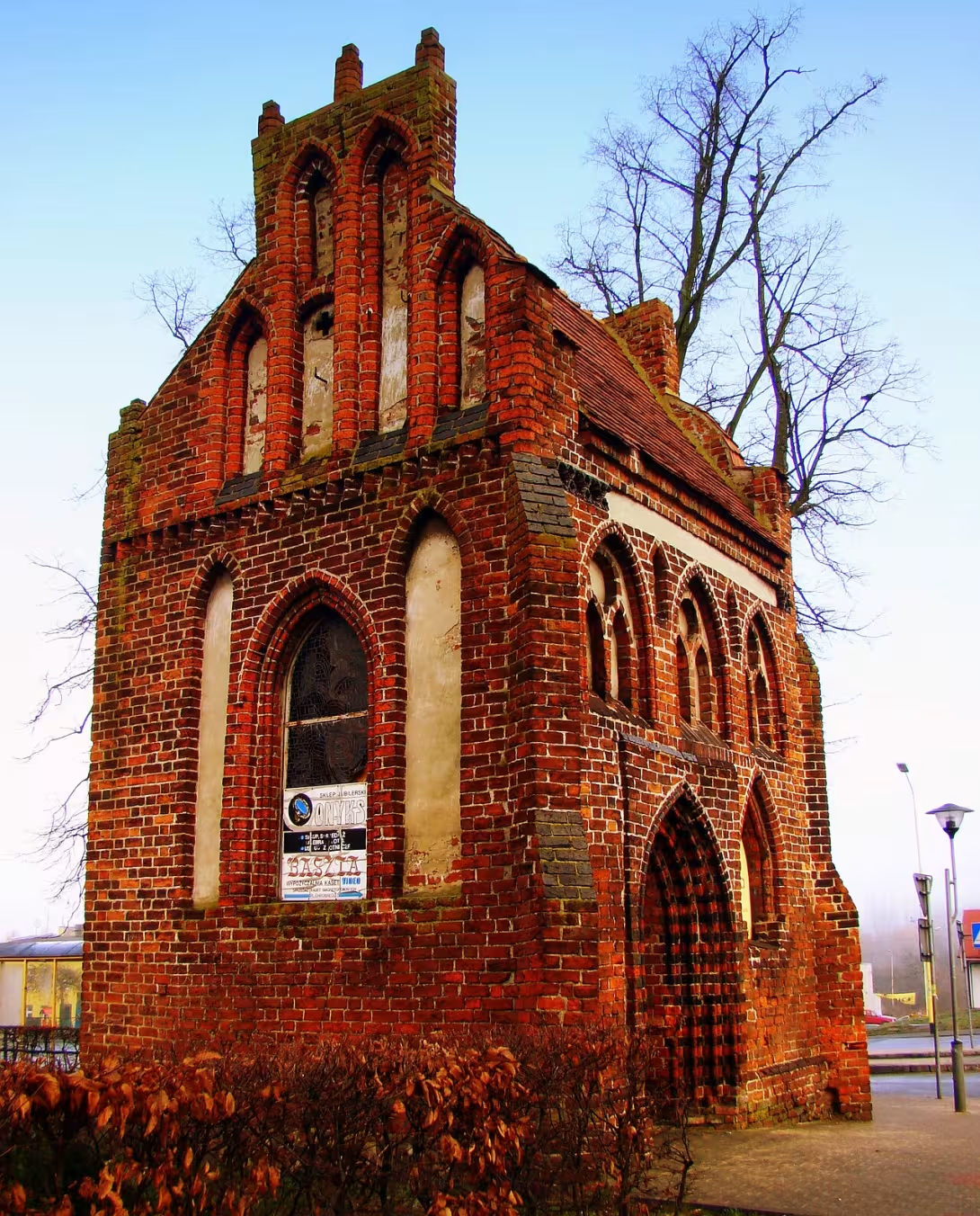
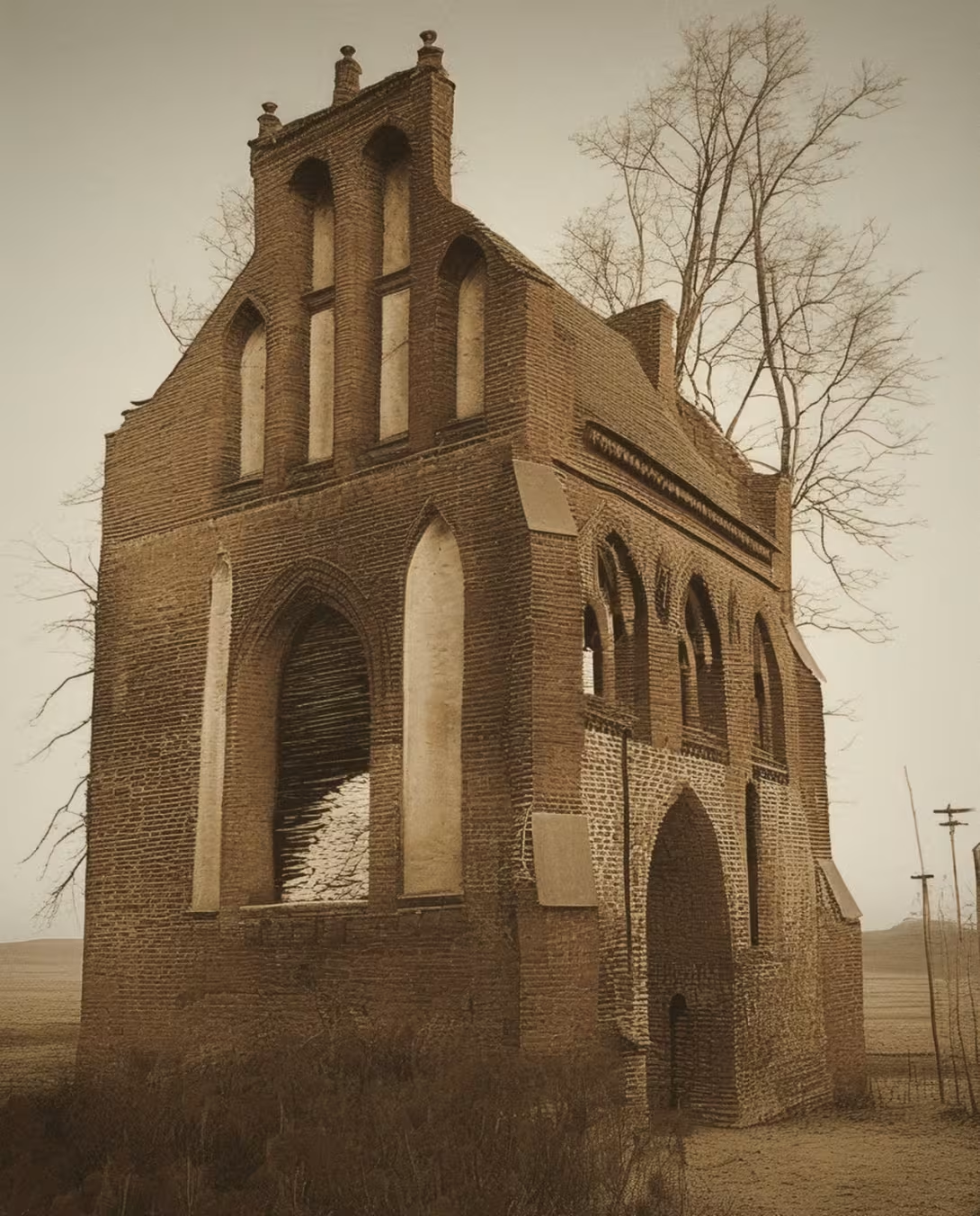
The historical view on the left is a visualisation generated by artificial intelligence and serves as inspiration.
Historical Milestones
- 1750
- The beginning of classical architecture in Slovakia
- 1785
- Chapel formation in Hrhov in the style of classicism
Interesting facts
- Chapel in the village of Hrhov is an example of classicism from the second half of the 18th century. - The building was built in 1785. - The building is registered as a national cultural monument. - The area is registered by the Monument Office of the Slovak Republic under number ÚZPF 10117.
Guide
The guide was voiced by a synthetic voice created by artificial intelligence.
Show guide text
The text was prepared by artificial intelligence and has not been editorially reviewed. It may contain inaccuracies.
Welcome to the village of Hrhov, in the heart of Košice region, where time slowed down for a while and allowed us to stop by this silent witness of the past. You are standing in front of the local chapel, a small sacral structure that, by its presence, completes the character of this place. Now that you are looking at it, you may see, in particular, its humility and simplicity, typical of many similar buildings located in our villages. It is a place of silence that carries peace and a spiritual dimension that complements the daily lives of local inhabitants. Let us now try to stop at the question of when and how this chapel was created. I must confess to you that the history of this particular building is covered with mystery. The exact chronology of its origin is not known, and the historical records do not contain specific dates that would tell us exactly in which century its foundation tiles were laid. Similarly, the names of architects or builders who put their work and skills into its construction remained in secret. Although we do not know who specifically held the plans or controlled the construction, the very existence of the chapel in Hrhov testifies to the deep need of the community to have a place close to home for prayer and reflection. Often such buildings were built as expressions of gratitude for the saved life, as protection of the village from natural disasters or simply as the center of spiritual life in the part of the village, where there was no near a large church. Nyni pay attention to the architecture itself. When you see the chapel as a whole, look at its proportions and how it fits into the surroundings. Look at its facade and see the way the building meets the space around it. Although we cannot accurately determine a particular artistic style, you can notice the details that are typical of these small sacral buildings. Follow the roof lines and the way the building is solved. In such places, monumentality is not important, but rather intimacy. It is this small size that creates a sense of security and proximity that large cathedrals often cannot provide. Watch how light hits walls and how the atmosphere of this place changes depending on the time of the day. If you are looking for stories about specific personalities connected to this chapel, we will find that history is silent. There are no records of known personalities that survive here or fund the building directly. Perhaps it is the most beautiful part. This chapel does not belong to one significant person, but belongs to all. It belongs to the generations of the inhabitants of Hrhov who came here at times of joy even at times of mourning. Each of the thousands of unnamed people who kneeled or just stood there quietly wrote their own page in the invisible book of this monument. It is this anonymity that gives the place some versatility. Now let's stop at what can be considered the greatest mystery of this place. In today's world, where almost every detail is documented and digitized, it is fascinating to meet a memorial that we know almost nothing in terms of data and names. It is this lack of information that makes room for our imagination. Who was the first one to light a candle? How did the builder feel when he completed the last detail of the roof? It is a silent monument that teaches us that not every trace in history must be clearly defined to have value. The value of this chapel is not in its glory or knowledge of its creators, but in its duration and that it still stands as a symbol of faith and stability in a country that has undergone many changes. We slowly complete ourselves towards the end of our short tour at this small pearl in Hrhov. I suggest you stay in silence for a while now, perceive the air and sounds of the surrounding area and get absorbed in the atmosphere of this place. The chapel is just one of the many points that make up the mosaic of this region, but it is in its simplicity that its strength lies. I invite you now to continue your further examination of the village of Hrhov and its surroundings. Follow the roads, take note of the details of local architecture and look for further traces of the past that may be waiting to be discovered in these very quiet streets. I hope that this short stop moment has brought you a feeling of peace and a fresh look at how even those memorials that have not written their history can speak. Thank you for your attention and I wish you a pleasant next day in Košice region.
Tips for visitors
We recommend visiting the chapel in the village of Hrhov in spring or autumn. Due to the nature of the building it is advisable to come in the morning hours, when it is more peaceful around.
The path to the building is easy, but we recommend shoes suitable for the terrain.
When visiting, take drinking water and a hat in sunny weather. During a longer walk around the village will be useful map plan of the region.
For photography are suitable moments before sundown, when light highlights the details of the facade and landscape. We recommend taking pictures from an angle that captures the chapel in the context of the community environment.
For families with children the visit is an opportunity for a short trip and to meet the local architecture. Since there are no other attractions in the immediate vicinity, we recommend that children prepare the game to find the details of the building.
Frequently asked questions
Can the monument be visited?
Religious buildings are usually open mainly during services; at other times a visit is normally arranged with the parish or the operator. We have not verified specific times.
Where is the monument?
Location: Hrhov, Košický kraj. The map on this page shows the exact spot.
Why is the monument protected?
It is listed in the Central List of the Monuments Fund of the Slovak Republic as a national cultural monument (ÚZPF no. 428-10117).
For children
Imagine being 18 years old. The sun's rays are good-bye to your eyes and the wind is swinging in your hair. You live in the picturesque Hrhov, in the heart of the Košice region. It's 1785 and right now, exactly 241 years ago, someone is building a small chapel in a quiet corner of the village. It is not a large castle or noisy marketplaces, but a peaceful place where people stop and think. Then farmers, craftsmen, and their families lived here. Every day was full of work. In the morning, the sun woke up.
Thematic route
As the list of surroundings is not completed, I propose a thematic route within the main objective area:
1. Chapel (main building) - Building in the village of Hrhov. 2. Chapel area (outdoor area) - Walking around the object and its surroundings. 3. Entrance and courtyard (external) - Space before entering the interior.
Seasonal recommendations
In spring, the surroundings of the chapel in the village of Hrhov will wake up to life and the country will be hung by the first green tones. The sun during this period provides fine lighting suitable for photographing the exterior of the building. Shoe is recommended for wet terrain and visit in the morning.
Summer months bring intense lighting and rich colors of nature. Due to high temperatures it is advisable to visit the place early in the morning or late in the evening. Practically easy, breathable clothing and sun protection.
Podzim in Košice region is characterized by golden shades of leaves that form the scene for this sacral building. The light is softer and naturally warm in this period. When planning the journey, layered clothing should be considered for colder morning and evening temperatures.
Winter brings a quiet atmosphere to the area of Hrhova, which can be complemented by a snow cover. The contrast of white snow and the walls of the chapel creates a visual effect. Warm winter clothes and footwear with anti-slip soles are essential for frozen dough.
Visualisations and artistic views

The visualisations are generated by artificial intelligence and serve as inspiration.
Visitor Tips
No tips yet. Be the first!
Log in and add your tip.
More monuments – Hrhov
Show all in the town


Visitor photos
No photos yet. Be the first to add a photo from your visit!
Log in and add your photo or leave a rating.
You get more points for a visit verified in the app — we can tell from the GPS that you are there.
Reviews and comments