








curia Manor
In the village Brzotín in the Košice region there is a curio, which is declared a national cultural monument. This object comes from 1880 and its architectural style represents classicalism.
The area of the monument is registered by the Monument Office of the Slovak Republic under number ÚZPF 2381. It consists of one object, which is itself a curio from 1880 in the style of classicism.
The curio is situated at Berzehorská 154/9 in the village Brzotín. The building is registered in the Zentralny register of the Monument Fund under the number 428-2381.
This building represents a concrete example of classicistic architecture from the second half of the 19th century within the village Brzotín. For curious visitors this is a documented example of period construction in this location. We recommend seeing this object when visiting the village.
Tehdy a dnes
Drag the slider and compare how the monument might have looked when it was built with the view today.

The historical view on the left is a visualisation generated by artificial intelligence and serves as inspiration.
Interesting facts
- The curio in Brzotín is a national cultural monument and comes from 1880 and represents the classicistic architectural style.
- It is registered by the Monument Office of the Slovak Republic under number ÚZPF 2381 and in the Zentralny register of the Monument Fund under number 428-2381.
- It is located at Berzehorská 154/9 and is a documented example of classical construction from the second half of the 19th century in this location.
Guide
Show guide text
The text was prepared by artificial intelligence and has not been editorially reviewed. It may contain inaccuracies.
We welcome you to the village Brzotín, in the heart of the Košice region, where there is a historical monument known as the curio. You are standing in front of a building that, in its appearance, testifies to the ancient times and the social structure of the region in which you are located. The first sight of this construction gives a sense of stability and silent testimony to the past. Look at the overall extent of the object and perceive the atmosphere of the place surrounding you. It is a place where history meets the present and where every detail tells of the fate of the people who have lived and worked here forever. In the historical context of the Slovak country, cures were typical settlements of lower noble state or stewards. Although the exact chronology of the origin of this particular building in Brzotín is not exactly dated in the available records, we can assume that it originated in the period when such homes were the centers of local power and administration. The curio served not only as a place of housing, but also often as an administrative point for surrounding land and economies. It is fascinating to think about how many generations in these walls survived their happy and unfortunate moments, although the names of particular architects or builders remained hidden in time. Now take a closer look at the architecture itself. As you are directly in front of the building, I recommend paying attention to the overall distribution of the object. Note the proportions of the building and the way it fills the space around it. Look at the facade and try to perceive the rhythm of windows and doors that define the nature of this course. Although time left its mark on the building, it is still possible to sense the original dignity that it was meant to recreate. Follow the wall lines and consider what materials were used at the time of construction to keep the building for centuries. Perceiving the details of the facade helps us to understand that even without evoke ornaments, the building can act massively and significantly. Now let's stop by to think of the people who were involved in this place. Although history did not preserve the specific names of the personalities that used to live in it, the very existence of the building in Brzotín tells us much about the social arrangement. Imagine the morning awakening in these rooms hundreds of years ago. Imagine discussions about crops, crops from local fields or political news coming from Košice or other nearby towns. The curio was probably the heart of the community, the place where disputes were settled and where the direction of development of the surroundings was determined. It is a silent testimony to the standard of living of the then noble layer, which tried to combine the comfort of housing with the functionality of managing its property. Each historic building carries a certain element of mystery. In the case of this cure, the greatest mystery is its silence. The absence of accurate data and names creates a void that we can complete with our own imagination. Why was the curio built here? What secrets hide its walls that have long been spoken out loud? Perhaps there were important meetings that affected the fate of the local people, or important documents from a period that we are now just from books. It is this unknownness that gives the place some charm and makes us more involved in our senses and intuition. Now that you look at the building as a whole again, you see it not only as a stone - wood structure but as a living organism that has survived many epochs. The Kuria in Brzotín is an example of how architecture can survive its creators and inhabitants and become part of the landscape picture. It is a place that teaches us humility towards time and reminds us that not everything in history is written in chronicles, but something remains encoded in the walls of buildings themselves. We hope that this short trip to the past has helped you to better perceive the value of this monument. Now you can still continue to explore the surroundings of Brzotín, perceive the silence of the country and can discover other traces of ancient times waiting for your view. Let yourself be guided by your curiosity and enjoy the atmosphere of Košice region. Thank you for your attention and we wish you a pleasant day to discover our historical treasures.
Tips for visitors
When to visit and why
Spring and summer months (April to September)
At this time the surrounding area is green and the light is favourable for photography. In the morning and late in the afternoon, the seams are softer, highlighting the details of the facade.
October
Colorful leaves give the surroundings a curio atmosphere. It is a suitable period for photography with dramatic background. '] Check the current connections and traffic options in the transport search engine or on the website of the transport company.
What to Take With You
Suitable footwear
The terrain around the cure can be uneven, so we recommend comfortable and stable shoes.
Camera or smartphone
The curio has architectural details that can be captured. The best light is in the morning or evening.
Water and light snacks
There are no shops or stalls in the surroundings, so we recommend having your own fluids and bacon.
Photography - places and light
Front facade of the cure
There are details like windows, portals, statues or reliefs. The best light is in the morning hours or shortly before sunset.
Surroundings of the curio and village area
There are views of village architecture and nature. It is suitable to take photographs in the evening.
Hours Before Sundown
Gold hour is suitable for photography, because soft light emphasizes the details of the object. '] Churches often have architecture and interior that are worth paying attention.
Monuments in Košice (longer trip)
Košice is approximately 30 minutes away by car from Brzotín. There are historical monuments, such as the St. Elisabeth Cathedral or the Medieval Town Hall.
Tips for families with children
Walking in the Village
Children can find it interesting to observe old houses, church and other buildings. You can explain to them how they lived in the past.
Supervision of children in the field
The surroundings of the cure may be uneven, so it is appropriate to have children under supervision.
Searching for Details
For children it may be fun to look for curies on the facade or around the statue, relief or interesting windows. You can turn it into a game.
Frequently asked questions
Can the monument be visited?
Some buildings of this kind are open for guided tours, others serve another purpose or are privately owned. We have not verified whether and when this monument is open – please ask the operator.
What are the opening hours and admission?
We have not verified the opening hours or admission. Current information is published by the operator.
Where is the monument?
Location: Berzehorská 154/9, Brzotín, Košický kraj. The map on this page shows the exact spot.
Why is the monument protected?
It is listed in the Central List of the Monuments Fund of the Slovak Republic as a national cultural monument (ÚZPF no. 428-2381).
For children
Imagine coming back 146 years later, to the time when the beautiful Kuria was being built in Brzotín - a large, white house that looked like a fight. In 1880, no one listened to cars or phones, but people lived in picturesque villages, where every day seemed like a small story. The curio stood in a place where the sun smiles today and the wind plays with the leaves of trees. But there was something more - there were real adventures! At the time, there was a wealthy family who cared for the big lands and the people who worked here.
Nearby
🏰 Historic sites (98)
- Kúria 0.0 km Berzehorská 154/9
- Kúria 0.0 km Berzehorská 164/7
- Biely kaštieľ 0.2 km Hámosiho 188/5 web
- Kaštieľ Mariášiovcov 0.2 km Máriássyho námestie 52/3 web
- Kaštieľ baróna Hámosiho 0.3 km Hámosiho 740/17
- Brzotínsky hrad 2.4 km
- Zemiakový hrad 2.9 km web
- Baníkom 3.4 km
- Kúria 3.4 km
- Expozícia príroda Slovenského krasu a priľahlých oblastí 3.7 km Šafárikova 493/43 +421 58 734 4098 web
- Expozícia baníctva a hutníctva Gemera 3.7 km +421 58 734 4098 web
- Banícke múzeum - Zážitkové centrum Sentinel 3.8 km +421 58 734 4098 web
- Ľubošovi Lestákovi 3.8 km
- Ján Gonos-Markuš 3.8 km
- Cházár András 3.9 km
- Kúria 3.9 km
- Jozef Tóth 3.9 km
- Dr Kiss Antalnak 3.9 km web
- Kossuth Lajos 3.9 km web
- Tichy Kálmán 4.0 km web
🍽️ Restaurants and dining (103)
- Konský dvor 0.5 km +421 907 947 668 web
- Lepšie ako doma 1.8 km
- EuroGastro 3.0 km +421 918 220 112 web
- Hostinec u Vlka 3.0 km
- Apetit 3.1 km +421 910 898 780 web
- Route 68 3.3 km
- Harapatka 3.5 km +421 902 111 005 web
- Erika 3.6 km
- SHENGMEI.X 3.6 km Kyjevská 1877/9 +421 910 408 250 web
- Piváreň Gemer 3.6 km
- Šugár 3.7 km Kyjevská 2259/17
- Taverna club 2 3.7 km
- Shell Cafe 3.8 km
- Strelka central park bar 3.9 km
- Amadeo expres 3.9 km
- Daxnerka 3.9 km +421948913213 web
- Kaffé Katka 4.0 km
- Bar Antistres 4.0 km
- Sherwood 4.0 km
- Pizza Restaurant Rango 4.0 km +421 940 889 606 web
🏨 Accommodation (60)
- Konský dvor 0.5 km +421 907 947 668 web
- Selfness Rožňava 3.2 km Kasárenská 3880/36 +421 917 497 497 web
- Davi Penzion & Bowling 3.8 km Štítnická 214/36 +421 915 500 939 web
- Hotel Gemer 4.0 km Štítnická 2040/62 web
- Areál ZAMMA 4.0 km +421 905 526 798 web
- Hotel Kras 4.0 km Šafárikova 417/52 +421 58 788 6040
- Turistická ubytovňa 4.2 km +421587328200
- Penzión Rosenau 4.4 km +421 911 877 099 web
- Čierny orol 4.5 km +421 587 32 81 86 web
- Ubytovanie v Kláštore 4.6 km +421 910 234 016 web
- Penzión Rebeca 4.7 km Slnečná 2021/18 +421 905 450 169
- Chalupa Ida 5.6 km +421 907 047 280 web
- Penzión Jozefína 5.9 km +421 905 79 59 40 web
- Penzión Adriana 6.0 km +421 58 732 7393 web
- poľovnícka chata Rusnák a Maďari 6.0 km
- Rakaťa 6.4 km
- Rakyta 6.6 km
- chata Ondrejka 6.9 km
- Chata Zeme 7.0 km web
- Speleo Rožňava 7.1 km
🚲 Rentals and sport (13)
- Konský dvor 0.5 km +421 58 73 21 620 web
- Bicykle-Servis-Šport 3.1 km +421 907 101 619 web
- Lezecká stena Rožňava 3.4 km +421 902 988 207 web
- Detské centrum Rožňava 3.5 km +421 911 735 795 web
- Bicykle Signal 4.3 km +421 58 733 1690 web
- J Gom 4.4 km
- Ebike tour 4.5 km
- Miko šport 4.5 km +421 58 732 8249
- BUZGÓ bike 6.2 km +421 940 991 555 web
- E-bike Silica 8.7 km +421 908 995 659
- Tulipán - Sedliacky dvor 12.1 km +421 907 794 813 web
- Veronika 13.1 km
- Granárium 13.3 km web
🥾 Hiking and nature (464)
- Malý vrch 1.9 km
- Drieňovec 1.9 km
- priepasť Attila 2.0 km
- prameň pri Brzotínskych rybníkoch 2.1 km
- priepasť Malý Malinčak 2.3 km
- Malý vrch 2.3 km
- priepasť Veľký Malinčak 2.3 km
- priepasť Katka 2.4 km
- Mačacia priepasť 2.4 km
- Priepasť pri borovici 2.4 km
- Veľká studňa 2.5 km
- Hradná vyvieračka 2.5 km
- Sedlo 2.6 km
- Malinčiak 2.8 km
- Štvorvchodová priepasť 2.8 km
- Štvorvchodová priepasť 2.8 km
- Štvorvchodová priepasť 2.8 km
- Nová brzotínska jaskyňa 2.9 km
- Stará Brzotínska jaskyňa 3.0 km web
- Roveň 3.1 km
Thematic route
Curia in Brzotin
Since there are no other specific monuments listed in the given area, I propose a thematic route which focuses on the tour of the cure itself and its immediate area. This path allows you to get to know more about the historical architecture and atmosphere of the place without having to travel to more distant locations.
Curia in Brzotin Type: Historical building This is the main point of the entire trip and the dominant of the village. Kuria is a rare example of noble architecture in the region, which testifies to the rich history of local families. Visitors can enjoy the view of the facade and imagine life in the past when significant personalities were established here.
Cure Hope Type: Architectural space Directly connected to the main building, the courtyard offers a quiet environment for relaxation and photography. It often serves as a framework for interior spaces and allows you to admire details of windows and doors from close distances. It is an ideal place for a short break during the tour.
Park green around the cure Type: Natural area The surroundings of the building are often revived by trees and gardening that give the whole area a cozy character. Walking along the trails in the immediate vicinity of the curie allows you to enjoy the quiet and natural environment without interference. This part of the route complements the architectural value of the building with natural beauty.
Entry gate and fencing Type: Architectural detail When entering the area, note the historical gate and fencing, which are often part of the original curry facility. These elements demonstrate the old age and thoroughness of the construction. The attention given to these details will enrich the overall visitation experience and help to understand the context of the time when the curio was built.
This compact route allows you to get to know all the key elements of the monument in Brzotín in a short time. Given that no other attractions are specified in the surrounding area, this concentric approach is the most appropriate. Visitors will thus get a comprehensive picture of the place without the need for long movements.
Seasonal recommendations
Spring
In March and April, Kuria in Brzotín wakes up from winter sleep. The sun's rays penetrate the leaves of young trees and create a game of light and shadow on the stone walls. The atmosphere is full of birdsongs and smells of the first flowers - the palate, the conicle, or the hobby. The surroundings are cold, but the air is clear. The ideal time to visit is the beginning of April when nature blooms, but visitors are less than in summer. Put on layered clothing - it may be cold in the morning, but after noon the air warms up. Don't forget the sunscreen.
Summer
In July and August days are long and clear. The light is reflected from the white plaster of the building and creates a sine on the facade. The surrounding area is green, the fields and forests are full of life and the air smells like grass and flowering trees. The weather is warm, sometimes the air can be motionless and nitrous. The best times to visit are the morning or the end of the day when the sun is not so intense. Wear light but covering clothes and remember to wear a hat or scarf. Cool water from the surrounding springs is an appropriate refreshment during this period.
Fall
In September and October, the trees are pierced into yellow - red and brown shades, covering the trails and lawns. The light is softer and its papers create gold shadows on the facade of the building. The atmosphere is quiet. The ideal time to visit is the beginning of October, when nature is still colorful, but crowds are smaller than in the summer season. Wear layered clothing, as temperatures change rapidly. Do not forget warm shoes, as underground corridors or old buildings can be cold.
Winter
In December and January, snow covers the surroundings and frost patterns emerge on the stone walls of the building. The atmosphere is quiet and peaceful. The air is cold and clean. The best time to visit is in the afternoon when the sun shines higher and falls on the facade of the building. Wear warm and covering clothes, gloves and a hat. Water from the surrounding springs is available during this period, but it is recommended to heat it before consumption.
Visualisations and artistic views


The visualisations are generated by artificial intelligence and serve as inspiration.
Visitor Tips
No tips yet. Be the first!
Log in and add your tip.
Location on Map
More monuments – Brzotín
Show all in the town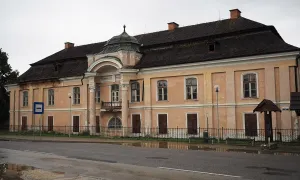
Visitor photos
No photos yet. Be the first to add a photo from your visit!
Log in and add your photo or leave a rating.
You get more points for a visit verified in the app — we can tell from the GPS that you are there.
Reviews and comments