








ľudový dom Vernacular house
The folk house in the village of Vyšná Slaná in the Košice Region is a national cultural heritage site. It belongs to the category of folk houses and is registered under the number ÚZPF 428-2489. The building represents an example of folk architecture.
The area includes one object: the folk house. According to data from the Slovak Heritage Institute, it is a masonry stone construction that represents traditional folk building techniques.
Details about the architectural characteristics of the house are not provided. Information on its layout, number of floors, floor plan, or materials used is missing.
The folk house is located in the village of Vyšná Slaná at address no. 165. The date it was declared a heritage site and information about protective zones or areas are not mentioned. Its current condition and present use are not detailed in available material.
The architecture of the house reflects traditional techniques used in the region.
Historical Milestones
- circa the 18th century
- Construction of the folk house in a traditional region.
- in recent times
- The house was declared a national cultural monument.
Interesting facts
- The Folk House in the village of Vyšná Slaná is a national cultural monument. - It belongs to the category of folk houses and is registered under number ÚZPF 428-2489. - The building represents an example of folk architecture. - According to data from the Slovak Heritage Institute, it is a stone masonry construction that exemplifies traditional folk building techniques. - The architecture of the house reflects traditional methods used in the region.
Guide
Show guide text
The text was prepared by artificial intelligence and has not been editorially reviewed. It may contain inaccuracies.
Welcome to the heart of Slovakia, specifically to the picturesque village of Vyšná Slaná, which lies at an altitude of nearly one thousand meters. You are standing in front of one of the most valuable and charming witnesses of traditional folk living on our territory. Before you stands a folk house, a building that is not just a residential space but a living document of history, craftsmanship, and the everyday life of our ancestors. Prepare to perceive around you not only stones and wood but also an atmosphere preserved almost untouched by time. When you look at this house, the first thing that will likely catch your attention is its harmonious integration into the landscape. It's not an isolated structure but part of the entire village environment where architecture has adapted to nature and vice versa. Vyšná Slaná is known for its unique urban layout, where streets wind according to the terrain and houses nestle behind one another, forming a protective barrier against wind and cold. This particular folk house is a typical example of what is called a saddleback house, which was very common in this region. Although the exact year of its construction is not clearly documented in available sources, the style and building technology suggest that it dates back to a time when farmers and shepherds settled in the mountains seeking warmth and shelter in wooden constructions. The wooden structure was vital for mountain dwellers. Wood was readily available, easy to work with, and had excellent insulating properties. As you look at the facade, notice how the planks are attached to each other. Traditionally, a technique was used where planks were laid one on top of another and secured with pegs or nails, ensuring strength and tightness. The facade was not just a functional shell but often an expressive aesthetic element. Although many surfaces have been repaired or painted over today, the original color and texture of the wood remind us how these houses were once alive and dynamic. Wood breathes, changes with humidity and temperature, and that's why these structures require constant care provided by generations of owners. Now turn your attention to the roof. The saddleback roof is characterized by its steep slope, which was not accidental. In a mountainous environment where snow falls abundantly and often, the roof had to withstand heavy loads. The steep slope allowed snow to slide off quickly, preventing sagging or collapse of the roof structure. Traditionally, roofs were covered with shingles made from oak or spruce wood. Each shingle was handcrafted, requiring great skill and patience. Today, when you look up, you can imagine how this roof resisted storms and snowy gusts in winter months, protecting the family inside with warmth. The interior of the house, although we cannot freely explore it now, we can envision based on the typology of these buildings. Inside reigned simplicity and functionality. Often at the center of the house was a hearth room that served as a living room, bedroom, and place for food preparation. The fire in the hearth was the heart of the home; it provided warmth, light, and cooking possibilities. Around the hearth, the lives of inhabitants revolved. Children's beds, chests for clothing, and utensils were arranged to best utilize thermal energy. On hallways and porches, fruits, meat, and herbs were dried, making the house also a storage space for winter supplies. This organization of space reflected close contact with nature and dependence on seasonal cycles. The historical context of this place is closely linked to the settlement of mountains. Vyšná Slaná and surrounding villages emerged in connection with mining, agricultural activities, and livestock farming. Inhabitants were not just farmers but also shepherds who reached high mountain pastures in summer. Thus, the folk house is not only a symbol of static life but also the dynamics of movement between valleys and peaks. Every detail of the construction, from wood selection to room arrangement, was the result of centuries-old experience and adaptation to challenging conditions. An interesting aspect that may surprise you is the location and orientation of the house. Traditional houses were built with consideration for the direction of the sun and wind. The entrance was often oriented so that cold winds did not enter directly, while windows on the southern side allowed maximum access to sunlight. This "astrology," if it can be called that, was an unconscious but very effective form of ecological architecture. Another interesting aspect is the communal nature of life. These houses were not just private spaces but places where neighbors met, exchanged information, and resolved issues. The doors were often open, symbolizing hospitality and openness still part of this region's culture today. As you walk around the house, notice its surroundings as well. Often, farm buildings such as stables, granaries, or barns were attached to these houses. These structures formed a closed courtyard that was the center of agricultural activity. Today, when you look at the surroundings, you can imagine where horses once grazed, cows lowed, and children ran around in the yard. This acoustic landscape was part of the village's identity and added life to it. The current state of this folk house is the result of long-term preservation and restoration. Slovakia has a rich tradition of preserving folk architecture, and Vyšná Slaná is one of the places where this tradition is successfully maintained. The house is not just a museum under a glass dome but still lives on. Some of these buildings are still inhabited or serve tourism purposes, giving them a unique character. When you look at the windows, imagine who might be sitting there now, who enjoyed welcoming guests here, and who lived through harsh winters. A mystery surrounding these structures is their ability to survive for so long. Wood is an organic material susceptible to rot, insects, and fire. And yet, these houses stand for over a hundred years. The secret of their durability lies in the quality of materials used, the thoroughness of construction, and constant maintenance. Each generation of owners added their part to this history, repaired what was necessary, and preserved what was possible. This continuity is proof of how strong the relationship between people and the place where they were born and lived is. In conclusion, I invite you to stop and just listen for a moment.
Tips for visitors
The spring and autumn months are ideal for a visit, as the nature surrounding Vyšná Slaná is at its most vibrant, and the temperatures are pleasant for walks through the meadow and mountain terrain. The village of Vyšná Slaná is most easily reached by car; if traveling by public transport, please check current connections using an online search engine. Sturdy footwear and plenty of drinking water are recommended, especially during the summer. For the best photographs of the folk house, we recommend visiting during the so-called "golden hour" before sunset, when the wooden architecture takes on a warm glow. The visit is also perfect for families with children, who can discover the traditional way of life and view antique household items.
Frequently asked questions
Can the monument be visited?
This is a residential or farm building, not a museum with opening hours. Please view it from public space and respect the owners' privacy. We have no information about access to the interior.
Where is the monument?
Location: č. 165, Vyšná Slaná, Košický kraj. The map on this page shows the exact spot.
Why is the monument protected?
It is listed in the Central List of the Monuments Fund of the Slovak Republic as a national cultural monument (ÚZPF no. 428-2489).
For children
Imagine teleporting to a completely different world in an instant. It is not done with a button on a remote control, but by stepping through an old, wooden gate. When you enter the Folk House in Vyšná Slaná, the modern world with its smartphones, internet, and noisy cars instantly vanishes. All that remains is the silence and the scent of old wood, whispering stories of times long past.
Nearby
🏰 Historic sites (52)
- Kúria - pohostinstvo 0.1 km
- Pamätník SNP 2.1 km
- Múzeum tradičnej ľudovej kultúry 2.4 km web
- Oslobodenie obce 25.1.1945 2.6 km
- Múzeum Mobilov Dobšiná 5.2 km +421 902 110 097 web
- Obetiam 2. svetovej vojny 5.3 km
- Pamätná tabula založenia sídliska Rozkvet 5.6 km
- Prekladacia stanica 5.7 km
- Pamätník SNP 5.7 km
- Pamätný dom P. J. Šafárika 6.1 km +421 587951243
- Grófska ľadovňa 7.0 km web
- Kaštieľ Andrášiovcov 7.2 km SNP 234/16 web
- Múzeum Vlachovo 7.2 km +421 58 381 04 50 web
- RnDr. Ladislav Novotný 8.0 km
- Rodný dom Jura Hronca 8.0 km
- Akademik Jur Hronec 8.0 km
- Gočovskí učitelia 8.0 km
- SNP 8.2 km
- Pavol Dobšinský 8.4 km
- Pamätná izba Pavla Dobšinského 8.5 km web
🍽️ Restaurants and dining (56)
- Denný bar pod Čuntavou 5.0 km
- Hostinec Bujak 5.0 km
- Pizzeria 5.0 km
- Lila Bar 5.1 km SNP 505/6
- Calisto 5.2 km
- Pizzeria u Eda 5.3 km
- La Dolce Vita 5.3 km +421 948 395 399 web
- Banik - Reduta 5.4 km
- Marvin 5.6 km SNP 613/243
- Tri ruže 5.7 km SNP 1170/277
- Šoltés 5.7 km SNP 630/279
- Motel pod Stromíšom 7.1 km +421 907 975 949 web
- Gôšovská keršma 8.0 km
- Maja 8.3 km
- Sultán 8.4 km
- Pohostinstvo 8.7 km
- Hostinec Kolkáreň 8.8 km
- Hotel Raj 9.1 km web
- Horáreň 9.1 km web
- Šafran 9.5 km
🏨 Accommodation (55)
- Turistická ubytovňa požiarna zbrojnica 2.3 km +421 58 788 3240
- Turistická ubytovňa Rejdová 2.4 km +421 58 788 3240
- Slánska 2.7 km
- Penzión u Tomku 2.7 km +421 58 734 7314
- Rekreačné stredisko Július 2.8 km +421 903 324 947 web
- Penzión Dobšinka 4.5 km Rybárska 12/7 web
- Penzión Dobšinka 4.6 km Rybárska 17/15 web
- Chata Mláka 6.5 km web
- Motel pod Stromíšom 7.1 km +421 907 975 949 web
- chata Gápel 7.3 km
- Vila Andrássy 7.3 km +421 911 122 199 web
- Rita 7.7 km web
- chata svätého Huberta pod Suchým vrchom 8.9 km
- Domček u Ferka 8.9 km +421908382828 web
- Chata na Petermanskom vrchu 9.0 km
- Hotel Raj 9.1 km web
- Chata Poliačky 9.1 km web
- Chata Aqualand 9.1 km web
- Chata Skalka 9.1 km
- chata Rakovec 9.1 km
🚲 Rentals and sport (8)
- Július 2.2 km +421 903 324 947 web
- Požičovňa športových potrieb a informačná kancelária 9.1 km +421 905 356 540 web
- E-biky Telgárt 10.9 km +421 907 499 743 web
- Hotel Hrádok 14.0 km web
- Rideon 14.9 km +421 910 207 282 web
- E-biky pod Kráľovou hoľou 15.0 km +421 911 994 594 web
- Ebiky Šumiac 15.0 km +421 905 463 134 web
- MTM elektrobicykle 15.0 km +421 940 003 070 web
🥾 Hiking and nature (187)
- Malý Radzim 1.3 km
- Halen 1.6 km
- Veľký Radzim 2.0 km
- Nadrozmerná hojdačka 2.1 km
- Šibenica 2.1 km
- Brdárske čerešnové sady 2.3 km
- Brdárske čerešnové sady 2.3 km
- Brdárske čerešnové sady 2.4 km
- Fridvald 2.6 km
- Kilhov 3.0 km
- Vŕšok 3.0 km
- Cipová 3.1 km
- Strieborná 3.1 km
- Brdárske čerešnové sady 3.2 km
- Brdárske čerešnové sady 3.3 km
- Spúšťadlo 3.6 km
- Krížna jedľa 3.9 km
- Končistá 4.0 km
- Ježovec 4.2 km
- Vŕšok 4.3 km
Thematic route
1. Folk house (building and courtyard) – Traditional architecture and a historical site. 2. Exhibition (display) – An exhibition of objects and antique clothing. 3. Immediate grounds (park) – The area surrounding the house.
Seasonal recommendations
Jaro: In spring, the folk house in Vyšná Slaná is surrounded by blooming meadows and gardens. The early hours offer a peaceful atmosphere with fewer visitors, ideal for photography. Layered clothing is recommended to accommodate chilly mornings as well as warmer midday temperatures.
Léto: Summer brings more visitors. Daylight during this season is optimal for photography, so it's advisable to arrive earlier in the morning or later in the afternoon to avoid large crowds. Practical attire includes light clothing and sun protection such as a hat or sunglasses.
Jeseň: Autumn offers cooler weather and fewer visitors, allowing for a more relaxed exploration of the historical details of folk architecture. Layered clothing is recommended for warmth and protection against dampness.
Zima: A winter visit comes with snow cover and quiet. Access to the monument may be limited during inclement weather, so it's important to check current information on accessibility. Warm clothing is essential, including gloves, a hat, and warm socks.
Visualisations and artistic views

The visualisations are generated by artificial intelligence and serve as inspiration.
Photographs from the area
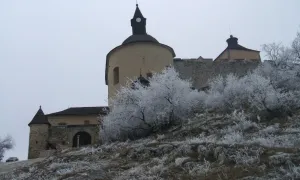
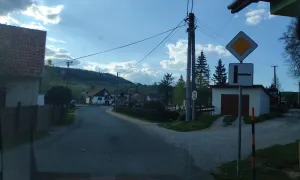
Real photos taken near the monument


Source and licence are given for each image.
Visitor Tips
No tips yet. Be the first!
Log in and add your tip.
Location on Map
More monuments – Vyšná Slaná
Show all in the town
Visitor photos
No photos yet. Be the first to add a photo from your visit!
Log in and add your photo or leave a rating.
You get more points for a visit verified in the app — we can tell from the GPS that you are there.
Reviews and comments