








ľudový dom Vernacular house
This monument is a traditional folk house located in the village of Tŕnie in the Banská Bystrica Region. Dating back to 1900, the building is an example of folk architecture from the second half of the 19th century.
The site, registered by the Monuments Office of the Slovak Republic under number ÚZPF 11094, consists of a single structure. This folk house is listed in the register under number 11094/1 and reflects the folk building traditions of the second half of the 19th century.
The building is located at No. 14 in the Kašova Lehôtka district of Tŕnie. The monument has been designated as a National Cultural Monument. The precise location of the building is defined by the geographic coordinates 48.61729, 19.03497.
The folk house in Tŕnie serves as a record of local folk architecture from the turn of the 19th and 20th centuries. We highly recommend this site to visitors with a keen interest in the architecture of this period.
Tehdy a dnes
Drag the slider and compare how the monument might have looked when it was built with the view today.
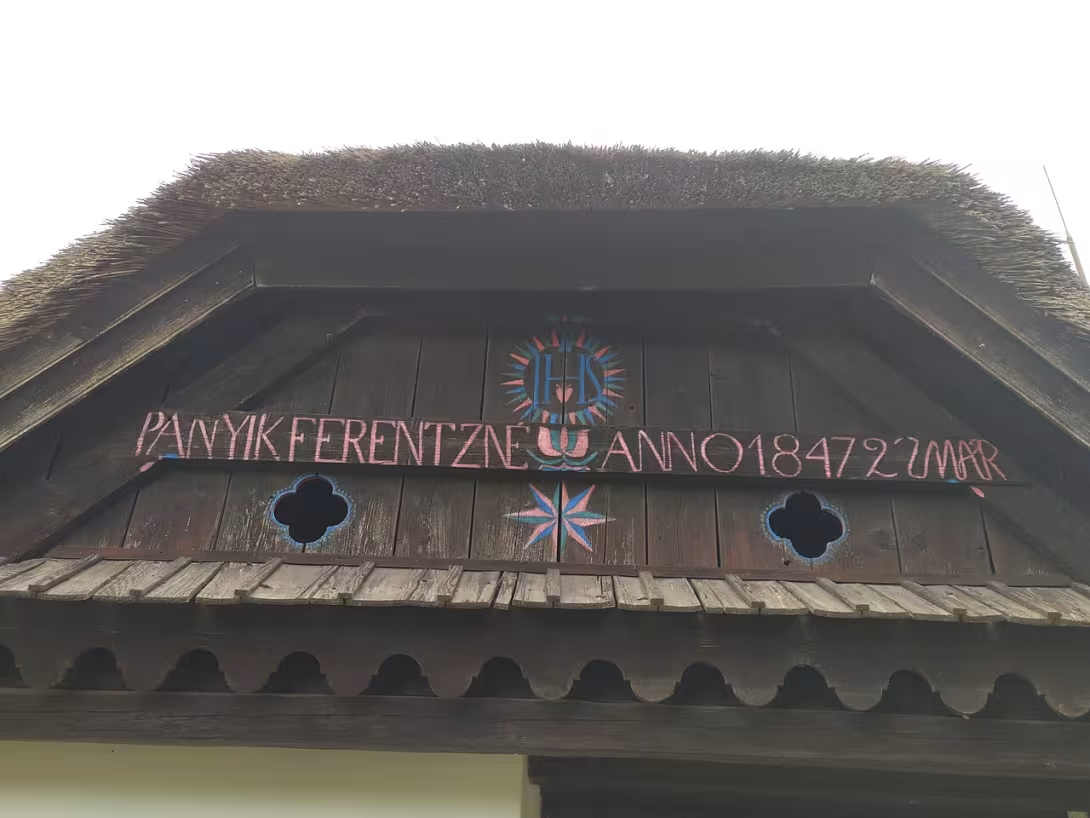
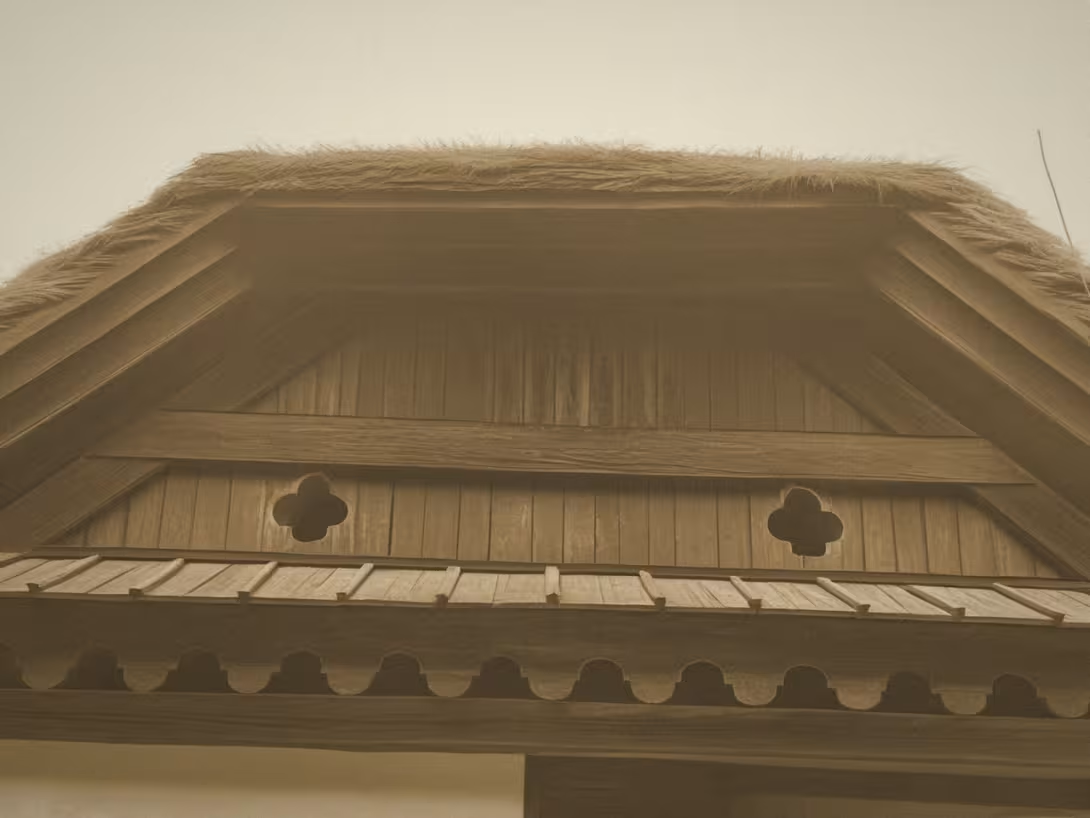
The historical view on the left is a visualisation generated by artificial intelligence and serves as inspiration.
Historical Milestones
- 1900
- The establishment of the folk house in the village of Tŕnie.
- 2000
- The beginning of the 21st century, a period marking the current existence of the monument.
Interesting facts
- This monument is a traditional folk house located in the village of Tŕnie in the Banská Bystrica Region. - Dating from 1900, the building is an example of folk architecture from the second half of the 19th century. - The site is designated as a National Cultural Monument. - The folk house in the village of Tŕnie serves as documentation of local vernacular architecture from the turn of the 19th and 20th centuries.
Guide
Show guide text
The text was prepared by artificial intelligence and has not been editorially reviewed. It may contain inaccuracies.
Welcome to Tŕnie. You stand in a place where time stands still, and every moment can be a journey back into the past. Before you lies Dom ľudový, a quiet witness of history that has endured here, observing the world around it. Before you venture further, I recommend closing your eyes for a moment, breathing in the clean air of this region, and simply standing still. Feel the silence that is not empty but full of echoes of ancient lives that unfolded here. The first impression of this building may not be one of grandeur or golden embellishments, but rather its natural presence. Dom ľudový does not seem like an outsider in this landscape; instead, it appears as an integral part, as if it grew directly from the earth itself. Look at its face and sense the harmony it creates with the surrounding environment of Banskobystrický kraj.
Although it may initially seem that we know little about this place, precisely this uncertainty in us evokes a deep question about what truly made up the lives of our ancestors. The chronology of the creation of this house remains shrouded in historical darkness. We do not know the exact year when its first foundation stone was laid, nor the precise date when the first hand touched its walls. However, this lack of knowledge does not mean that it is without significance. On the contrary, precisely this ambiguity allows us to perceive it as a symbol of infinite time. This house does not belong to one specific era that we could record in a textbook; it belongs to all generations who lived here, worked, and dreamed. It is a chapter of history that has no written pages but which we read through its existence.
Now, when you look more closely at the architecture of this object, pay attention to its overall composition. Feel how the building is rooted in the earth. In folk architecture, it was not about making a structure stand out above nature, but rather to collaborate with it. Observe the lines that form the façade and sense their simplicity and functionality. Every detail you see here was likely once the result of necessity, not just an aesthetic command. Feel the texture of the materials that make up the walls and surfaces. Although we do not know the names of the architects who conceived this design, we can see in it the handwriting of local craftsmen. These were people who knew their own land, understood how to work with wood, stone, or clay, and how to create a home that would protect you from hostile weather elements. Feel this modesty and strength that architecture radiates. It is not the architecture of monuments but the architecture of life.
Now let us move on to the idea of people who once lived here. We may not be able to pronounce their names. Records in archives may not have found information about who owned this house, who hosted there, or who experienced their hardest and happiest moments in its rooms. Yet precisely therein lies the greatest strength of a folk house. It is the voice of the anonymous. It is a home that does not belong to kings or great historical figures but to ordinary people. In every corner of this house, in every space you see now, there is hidden the story of someone who rose here at sunrise, cooked meals, and sought peace at night. These unknown personalities are those who truly shaped the face of our landscape. Their lives were not written in golden letters, but their imprint remains alive in this house.
Instead of grand tales of battles or political changes, this house offers us something far more precious—a mystery about everyday life. There is something fascinating about standing before something so close to us and yet distant due to its unknown nature. Notice how light plays on its walls. Feel how the shadow changes depending on where the sun moves across the sky. Perhaps in these shifts of light and shadow lies the greatest enigma. What would the walls of this house say if they could speak? What secrets would they reveal about life in Tŕnie centuries ago? This lack of knowledge is not a deficiency of information; it is an invitation to your own imagination and a deeper understanding of our roots.
This architecture teaches us humility. It teaches us that we do not need to be famous to leave something lasting behind. Dom ľudový stands here as proof that modesty and authenticity have the ability to withstand time. It is a quiet voice from the past, which does not demand admiration but respect for what came before us. Feel the atmosphere of peace and stability this structure brings to the entire locality.
Now that you have familiarized yourself with this house through perception, I invite you to continue your journey. Do not take it merely as a tour of buildings, but as a voyage in time. Look around you, at the surroundings, at the landscape that encircles this home. Everything here is interconnected. Every detail, even the smallest one, is part of a larger picture of our culture and heritage. Allow yourself to be carried away by this feeling of connection with a place that teaches us that history is not just about dates and names but about the sense of home and the endurance of what is real.
Thank you for dedicating time to this visit. We believe that this brief moment in Tŕnie has brought you new thoughts and peace. Continue exploring, perceive beauty in simplicity, and enjoy every moment in this wonderful landscape. Farewell.
Tips for visitors
The Folk House in Tŕnia is a cultural monument worth visiting during the summer season. Sunny days offer beautiful light and views of the surrounding area.
Public transport to Tŕnia is also an option; you can find current connections and times online.
We recommend bringing a chair with you, walking shoes, and protective clothing if necessary. Some areas may be inaccessible due to the history of the site.
Photography offers interesting perspectives, especially during early morning or evening hours. Nearby the Folk House are picturesque spots suitable for short walks and enjoying some peaceful time in the small village.
Frequently asked questions
Can the monument be visited?
This is a residential or farm building, not a museum with opening hours. Please view it from public space and respect the owners' privacy. We have no information about access to the interior. According to the heritage register restoration is under way, so access may be restricted.
Where is the monument?
Location: č. 14, Kašova Lehôtka, Tŕnie, Banskobystrický kraj. The map on this page shows the exact spot.
Why is the monument protected?
It is listed in the Central List of the Monuments Fund of the Slovak Republic as a national cultural monument (ÚZPF no. 32B-11094).
For children
In the village of Tŕnie, the Folk House stands atop a hill. Built 126 years ago, it has served as a venue for entertainment and social gatherings.
Locals gathered here to take a break from their work. They played music, danced, and spent time together. The house also hosted agricultural fairs, where visitors could learn new farming techniques.
When the house was new, people claimed they could hear birdsong inside, even when they were not outdoors. Some attributed this to the doors and windows, and many wanted to experience it for themselves.
Nearby
🏰 Historic sites (183)
- Prvá písomná zmienka obce 1.3 km
- Oslobodenie obce 1.3 km
- Obetiam 1. a 2. svetovej vojny 1.4 km
- Pamätník Prof. Klementa Hubača 3.3 km
- Pamätník prof. Bezačinského 3.4 km
- pamätník Juraja Kriváňa 3.5 km
- Padlí v SNP 1944-1945 4.0 km
- Jozef Dekret Matejovie 4.1 km
- Pomník SNP 4.7 km
- SNP 5.4 km
- Sklený zámok 5.4 km
- Hradisko Hronská Dúbrava 5.6 km
- Kaštieľ Sielnica 5.8 km 1. augusta 68/124
- Meky Žbirka 5.8 km
- majer Gunda 6.3 km
- Nápis TRAŤ MLÁDEŽE 6.3 km
- Hradisko na Skalici 6.9 km
- Anton Šalát 7.6 km
- Hrádok Peťuša 7.6 km
- A. S. Jegorov 7.7 km
🍽️ Restaurants and dining (269)
- Pohostinstvo Akcept 1.3 km
- Parlament 1.3 km
- Reštaurácia pod borovicou 4.8 km
- Reštaurácia TOBOGAN 4.8 km
- Bufet SALAŠ 4.8 km
- Restaurant 4.8 km
- bar / cafe 4.8 km
- Restaurant 4.8 km
- Detvan 5.0 km Kúpeľná 393/64 +421 455 445 349
- Pub Benko 5.1 km Kúpeľná 734/58A
- Salaš Hron 5.3 km Bystrická 754/2
- Koliba Stráže 5.4 km +421 918 909 302 web
- Pizzeria Budča 5.4 km +421 910 443 007
- ESO sport 5.5 km Kúpeľná 71/10
- Staničný bufet 5.6 km
- Krčma u suseda 5.6 km
- Formula 5.6 km Bystrická 729/26
- McDonald's 5.7 km +421 905 854 384 web
- Čertovská koliba 5.7 km
- Fresh Corner Restaurant 5.7 km
🏨 Accommodation (59)
- Chata Bieň 3.0 km +421 907 768 168 web
- Chalupa Hronská Dúbrava 4.1 km Horná 44 web
- Hotel Tatran 4.4 km +421908224600 web
- Penzion Benko 5.1 km Kúpeľná 88/58
- Kaskády 5.2 km
- Penzión Stráže 5.5 km +421 918 909 302 web
- Alex 6.2 km
- Motel LUTEUS 6.2 km
- Zrub Kapor 6.6 km web
- Zrub Pstruh 6.6 km web
- Hostel Turist 7.4 km +421917615474 web
- Penzión Na rožku 7.5 km SNP 286/1
- Penzión Q 7.5 km
- Pohoda 7.8 km SNP 339/10
- Villa Golf 7.9 km SNP 336/16 web
- Villa Green 7.9 km SNP 297/15 +421 902 370 730 web
- Quatro 8.1 km
- Penzión Aira 8.1 km
- Hotel Poľana 8.3 km Námestie SNP
- Hotel Academic 8.3 km P. O. Hviezdoslava 13 web
🚲 Rentals and sport (49)
- Vonkajší bazén ŠLÚ Marína 4.7 km
- Vonkajší rekreačný/detský bazén 4.8 km
- Detský bazén 4.8 km
- Detský bazén 4.8 km
- Detský tobogan 4.8 km
- Vnútorný horúci sedací bazén 4.8 km
- Vonkajší horúci sedací bazén 4.8 km
- Vnútorný rekreačný bazén 4.8 km
- Vonkajší rekreačný bazén 4.8 km
- Vonkajší teplý sedací bazén 4.8 km
- Intersport 6.4 km
- Lanový park Pod Borovicou 6.6 km
- Sportisimo 6.8 km web
- EXIsport 6.9 km web
- TIKO ŠPORT 7.5 km +421455324228 web
- Cyklošport – Outdoor 7.5 km +421455332438 web
- Sport Vision 7.8 km
- Igor Koreň N sport 8.0 km web
- SPORT 2000 8.2 km
- Slange šport 8.2 km
🥾 Hiking and nature (328)
- Bánište 0.9 km
- Háj 1.8 km
- Studnička Budička 2.1 km
- Ostrý vrch 2.1 km
- Veľká hora 2.3 km
- Háj 2.4 km
- Hrádok 2.5 km
- Kečka 3.0 km
- Strmý vŕšok 3.8 km
- Poruba 3.9 km
- Budiná 3.9 km
- Jablonka 4.0 km
- Stará Kováčová 4.0 km
- Krivý kút 4.2 km
- Holý vrch 4.4 km
- Na Vrátach 4.5 km
- Klzký vrch 4.5 km
- Vtáčnik 4.5 km
- Prameň Budiná 4.6 km
- Klzký prameň 4.6 km
Thematic route
Folk House in Tŕňa
This building represents traditional Slovak rural architecture. Visitors can observe typical construction elements, such as wooden structures, roofing, and the functional layout of the spaces.
Courtyard and Farm Buildings
Adjacent to the folk house is an area featuring period farm buildings or fencing, which reflect the original layout of a rural farmstead.
Surroundings and Local Greenery
The immediate surroundings offer a peaceful setting for a stroll. The vegetation and natural elements create an authentic rural atmosphere.
Interior and Exhibition (if accessible)
If the interior of the house is open to the public, visitors can view period furnishings, furniture, and everyday objects. This offers a glimpse into the daily lives of the local inhabitants.
This route is ideal for a short stop while traveling through the Banská Bystrica Region, allowing you to focus on the details of folk architecture. We recommend checking current interior accessibility and opening hours.
Seasonal recommendations
Spring: In spring, the folk house in Tŕnia is surrounded by blooming gardens. In the sunlight, the trees and shrubs come alive, providing a beautiful backdrop for photography. A visit is ideal before the peak temperatures and the large influx of tourists arrive. We recommend arriving in the early morning hours for more tranquility. Dress practically—a light coat or a scarf will help protect you from the cool spring breeze.
Summer: In summer, the folk house in Tŕnia is bathed in light and warmth. Sunny days are perfect for strolls on the terrace or through nature. During the peak season, expect more visitors, so we recommend arriving early in the morning or later in the afternoon. Warm days require light, bright clothing, a sun hat, and plenty of drinking water.
Autumn: In autumn, the folk house in Tŕnia is enveloped in the golden and crimson hues of nature. Sunny days remain warm, but the evenings cool down quickly. This season is ideal for nature lovers and those interested in photographing the foliage. We recommend dressing in layers to adapt to the changing temperatures.
Winter: In winter, the folk house in Tŕnia is set within a snowy landscape, creating a serene atmosphere. Warm clothing that protects against wind and frost, including gloves and a headband, is essential. As the days are shorter, we recommend visiting during the morning or when the sun is shining.
Visualisations and artistic views


The visualisations are generated by artificial intelligence and serve as inspiration.
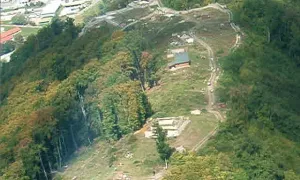
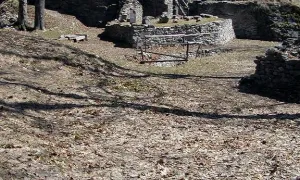
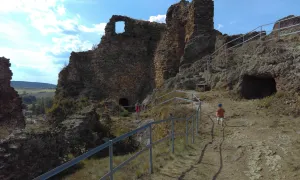
Photographs from the area
Real photos taken near the monument

Source and licence are given for each image.
Visitor Tips
No tips yet. Be the first!
Log in and add your tip.
Location on Map

Visitor photos
No photos yet. Be the first to add a photo from your visit!
Log in and add your photo or leave a rating.
You get more points for a visit verified in the app — we can tell from the GPS that you are there.
Reviews and comments