








ľudový dom Vernacular house
This folk house is a nationally protected cultural monument registered in the ÚZPF registry under number 322-12039. It is located in the village of Beluj in Banská Bystrica Region at address 149. The building dates back to the second half of the 19th century, with its year of origin dated to 1900. Architecturally, it belongs to the area of folk construction.
The heritage site consists of this single object which has a stone masonry structure.
The building is located in the village of Beluj and is protected under the regulations of state heritage conservation. The Slovak Heritage Institute ensures the registration and management of data through its registers.
This building documents traditional construction methods and materials used in the region during the specified period.
Tehdy a dnes
Drag the slider and compare how the monument might have looked when it was built with the view today.
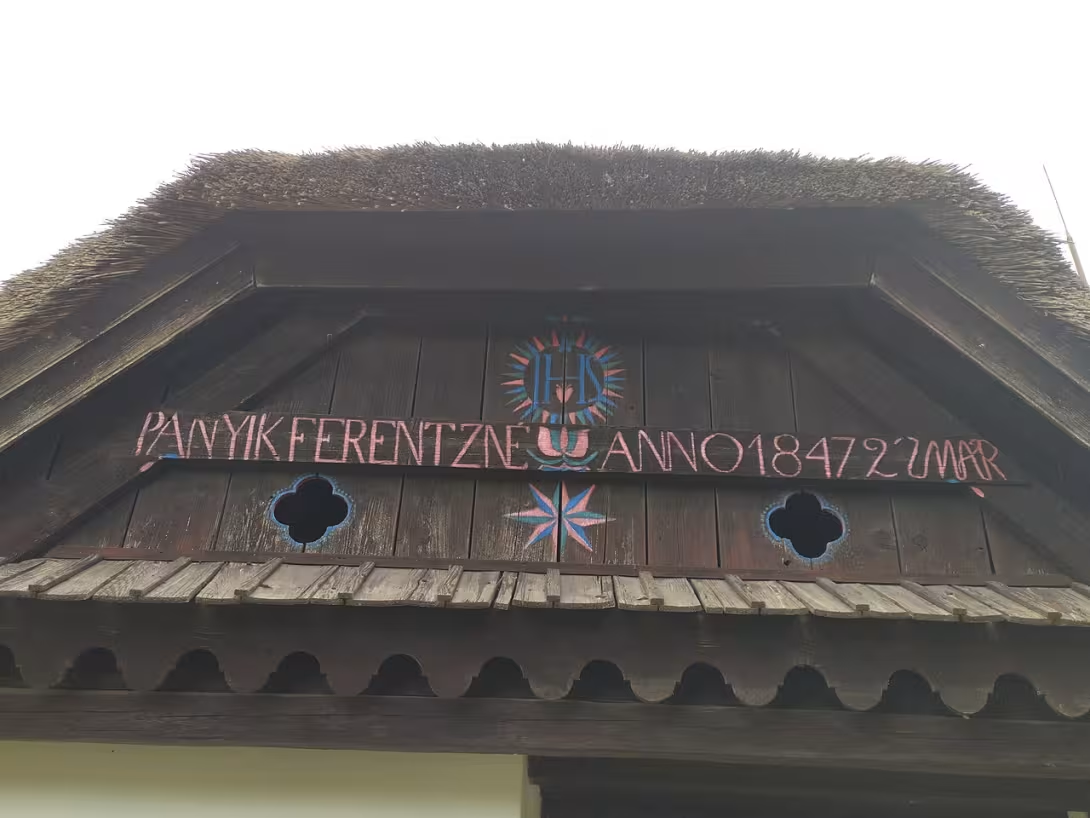
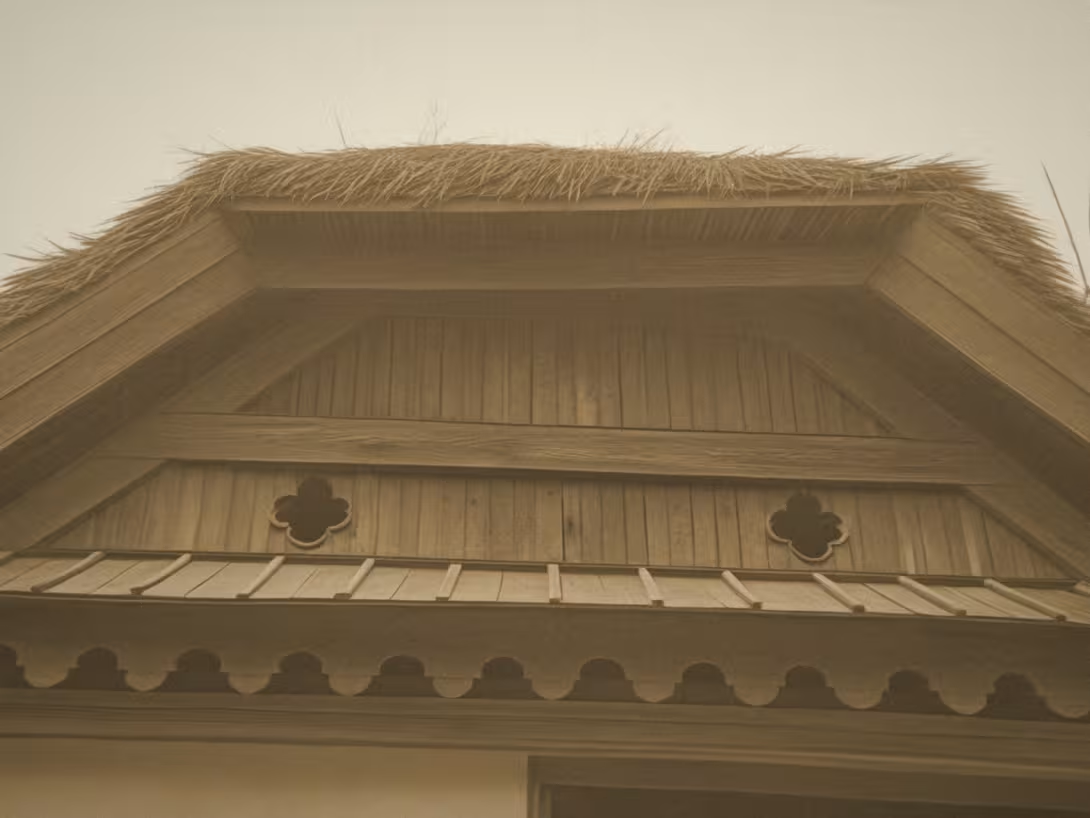
The historical view on the left is a visualisation generated by artificial intelligence and serves as inspiration.
Historical Milestones
- 1850 - 1899
- Construction of the building in the second half of the 19th century
- 1900
- Official year of establishment of the folk house in the village of Beluj
- 2000
- Entry of the building into the ÚZPF registers as a national cultural monument
Interesting facts
– It is a national cultural heritage site.
– The object dates from the second half of the 19th century and is dated to the year 1900.
– The building has a stone masonry construction.
– The house documents traditional building methods and materials used in this region during that period.
Guide
Show guide text
The text was prepared by artificial intelligence and has not been editorially reviewed. It may contain inaccuracies.
Welcome to Beluj. You are standing directly in front of the Traditional House, a building that carries within it the quiet strength of the past and an authenticity that is rarely found today. The first impression this house evokes is a sense of peace and a deep connection with the landscape surrounding you. Look at its face and feel the atmosphere it creates. It is not merely a structure made of materials from this earth; it is a living witness to an ancient way of life that was shaped here in the Banská Bystrica Region over centuries. This house is not a monumental palace designed to awe you with its size, but rather a quiet companion that stands here, watching time flow by.
Although no specific name of the builder was recorded, nor do we know the exact year its foundations first touched the earth, this anonymity lends it a peculiar charm. It is precisely this missing chronology that forces us to consider how many generations this house has seen. An unknown origin means that this house is not just a part of history, but part of a continuous flow of time that cannot be simply recorded in tables. It is part of the organic development of this village, part of the lives of people who lived, worked, and dreamed here, though their names have dissolved in the realm of time. This house does not belong to one person or one specific era; it belongs to folk tradition itself.
Now, turn your attention to the architecture right before you. Although we do not know the architect who conceived this design, you can see the genius of simplicity in its form. Look at the lines of the house, and how its volume blends into the environment. In folk architecture, the goal was not for a building to stand out above nature, but to work in perfect harmony with it. Feel the texture of the surfaces you see. These are shapes that are not perfectly straight because they were created by human hands, not machines. Notice how the light falls on the walls and how they react to the changing time of day. Every detail, every imperfection, and every transition of materials in this house reflects a strive for functionality and harmony. This is architecture that was not designed in studios, but directly in practice, based on experience with the local climate and geographical environment.
As you look at this house, you may begin to wonder what stories its walls could tell if they had a voice. Even though we do not know the names of the specific individuals who experienced their greatest joys and sorrows here in the past, this house serves as an invisible monument to them. Imagine the people who woke up here every day with the sunrise, who sought refuge here from storms, and who built their families here. Every traditional house is essentially a witness to an ordinary yet profound human destiny. We do not know their names, but you can feel their presence in every corner of this house. It is in the quiet dignity the building radiates, and in the way it compels us to stop and reflect on what will remain after us.
In this place, the known meets the unknown. This very puzzle that the house presents is its greatest mystery. Who was the person who first laid these stones or carved this wood? What guided their hand toward this specific shape? The anonymity of the architect and the exact time of creation creates a space where you can lose yourself without hesitation. It is a mystery that invites your own imagination. Perhaps this house is a symbol of the anonymous success of every person who created something, even if their name remained unknown. This anonymity is not a deficiency, but rather an invitation to a deeper perception.
Pause for a moment in the silence and simply take in the surrounding environment. Beluj and this house form a single whole. Let yourself be carried away by the feeling that you are in the heart of a history that is not locked away in museums, but is still present, still breathing within this landscape. This house is not just an object to be viewed; it is an experience to be enjoyed with all your senses.
We now invite you to continue your discovery. Walk around the house, explore it from different angles, and notice how the perspective changes depending on where you stand. Perhaps you will find a detail that escaped you for a moment, or feel a connection with a place that has so quietly welcomed you. Thank you for spending time with us and for becoming part of this short journey through time. We wish you a pleasant remainder of your exploration; may you be accompanied by peace and wonder at the beauty you find around you. Goodbye.
Tips for visitors
The best time to visit Beluj is during the spring and summer months, when the surrounding nature of the Štiavnica Mountains offers beautiful scenery and pleasant weather for exploring village architecture. We recommend arriving in the morning hours, when the light is most suitable for photographing the authentic details of the clay cottages and traditional courtyards. Be sure to bring comfortable, sturdy footwear, as the surrounding terrain and village lanes can be uneven, and don't forget to bring plenty of drinking water and a camera.
When photographing a folk house, its original architecture stands out best in the side morning light, which highlights the texture of the walls and the traditional roofing. Focus on the details of the windows, porches, and doors, which tell the story of the way of life of the ancestors in this region.
For families with children, the visit is an interesting and educational open-air history lesson, where the youngest visitors can imagine how life was lived in the past. Children will surely be captivated by the village's authentic character and the surrounding tranquil environment, which is ideal for a gentle family walk.
Since no specific excursion tips within a 30-minute radius are provided in the materials, we recommend checking the local information boards directly in the village of Beluj, which will point you toward potential attractions in the Banská Bystrica Region.
Frequently asked questions
Can the monument be visited?
This is a residential or farm building, not a museum with opening hours. Please view it from public space and respect the owners' privacy. We have no information about access to the interior.
Where is the monument?
Location: č. 149, Beluj, Banskobystrický kraj. The map on this page shows the exact spot.
Why is the monument protected?
It is listed in the Central List of the Monuments Fund of the Slovak Republic as a national cultural monument (ÚZPF no. 322-12039).
For children
Close your eyes and imagine pressing a secret button on a time machine. BOOM! You are whisked exactly 126 years back into the past. The year is 1900. Around you, there are no cars, no mobile phones, and no internet. There are only tall trees, fresh air, and a silence broken only by birdsong and the distant calls of people. Right now, you are standing in front of a house that looks as if it were plucked straight out of a fairy tale. Welcome to Beluj!
Thematic route
I suggest a thematic excursion in the village of Beluj and its surroundings, focused on traditional folk architecture.
1. Folk House - Type: Museum / historical monument - Why it's worth visiting: The site presents traditional living, life, and crafts of ancestors from this area.
2. Area around the Folk House - Type: Courtyard and surroundings of a monument - Why it's worth visiting: Nearby you can explore the courtyard and architectural details typical for the original settlement of the village Beluj.
3. Interior exhibition at the Folk House - Type: Exhibition spaces - Why it's worth visiting: The tour continues inside the monument, where original living spaces and collections of historical everyday items are accessible.
Seasonal recommendations
Spring in Beluj is accompanied by the blooming landscape of the Hont region. The morning light is ideal for photographing the architecture of the folk house. Visitor numbers are low during spring weekends. Mornings can be cold, warming up in the afternoon, so sturdy footwear and layered clothing are recommended. The quiet village setting complements a morning visit.
Summer in the village of Beluj brings sunny days and shade provided by overhanging roofs and greenery. At midday, the light is harsh and high-contrast, so it is better to visit in the morning or late afternoon. During the high season, tourists and ethnography enthusiasts visit the site. The house grounds do not have air-conditioned areas, so light clothing, a hat, and plenty of drinking water are recommended.
Autumn in the Banská Bystrica Region colors the surrounding nature in warm hues. Morning mists give way to afternoons that are ideal for viewing the clay renders and thatched roofs. Visitor numbers are low during this period. Changeable and windy weather requires a warm sweater, a waterproof jacket, and sturdy footwear.
Winter in Beluj brings snow-covered courtyards and smoke rising from chimneys. Short daylight hours and a low sun create shadows. A visit requires warm winter clothing, a hat, gloves, and non-slip footwear in case of icy paths. The best time to visit is around midday.
Visualisations and artistic views

The visualisations are generated by artificial intelligence and serve as inspiration.
Visitor Tips
No tips yet. Be the first!
Log in and add your tip.
More monuments – Beluj
Show all in the town


Visitor photos
No photos yet. Be the first to add a photo from your visit!
Log in and add your photo or leave a rating.
You get more points for a visit verified in the app — we can tell from the GPS that you are there.
Reviews and comments