








meštiansky dom Burgher house
Townhouse in Old Lubovni
Old Ľubovňa, as well as the entire Prešov region, has a rich history and cultural heritage. The townhouse, located in the centre of Stará Ľubovňa, is an important monument.
The types of houses were influenced by the material from which the house was made, the way of heating, the solvency of the owner and the way of defense. Tower house was a block multi-storey building, situated on a plot with a high stone wall.
Chamber house - layout was not different from the peasant house , had a simple longitudinal floor plan . Hall house - at the disposal repeated the room hall and upstairs. The house was extremely well functionally usable.
In the 17th and especially in the 18th century there was an increased interest of nobility in the city, which related to its functions in the county or military administration. The nobles bought houses next to each other and rebuilt them into representative houses.
The population in cities was growing. Residential rental houses ensured a much higher population density. Pavlačové houses - were characterized by a closed layout of a four-winged block with a central courtyard.
The house of poverty, iron houses - were on the outskirts of the city, often forming part of the space near the walls. They represented the existential minimum.
The original objects were modernized mainly in the parter. Many retained their original functional use (trade), but the sales method was more oriented towards advertising.
The function of housing remained in originally residential burgher houses until today, only the requirements of the standard of housing changed.
City House, Andreja Kmeťa Street 5, Banská Bystrica Štiavnica
Townhouses in Banská Štiavnica included an older unorganized building. The cellars, dug into the rock subsoil, passed in some houses into the sheds.
The structure of the townhouse is remarkable by its architectural concept of facade. Today you can visit the burgher's house in Staré Ľubovňa and see how architectural traditions have moved over centuries. The monument is significant in its historical context and cultural heritage.
Sources:
* CAR COLLECTIVE: Presentation of architectural heritage II. Bratislava. Perfect 2008. * DVOŘÁKOVÁ, V.- KOLLÁR, D.: Cultural beauty of Slovakia, The most beautiful cities. Bratislava. Dajama 2007. * BOTEK, A.- KVASNIC, M.: Architectural-historic research. Bratislava. 2009 * http://www.horehronskemuzeum.sk/burghiansky-dom * http://www.nitra.sk/?id menu=3844&limited level=1&stop menu=33881
Tehdy a dnes
Drag the slider and compare how the monument might have looked when it was built with the view today.
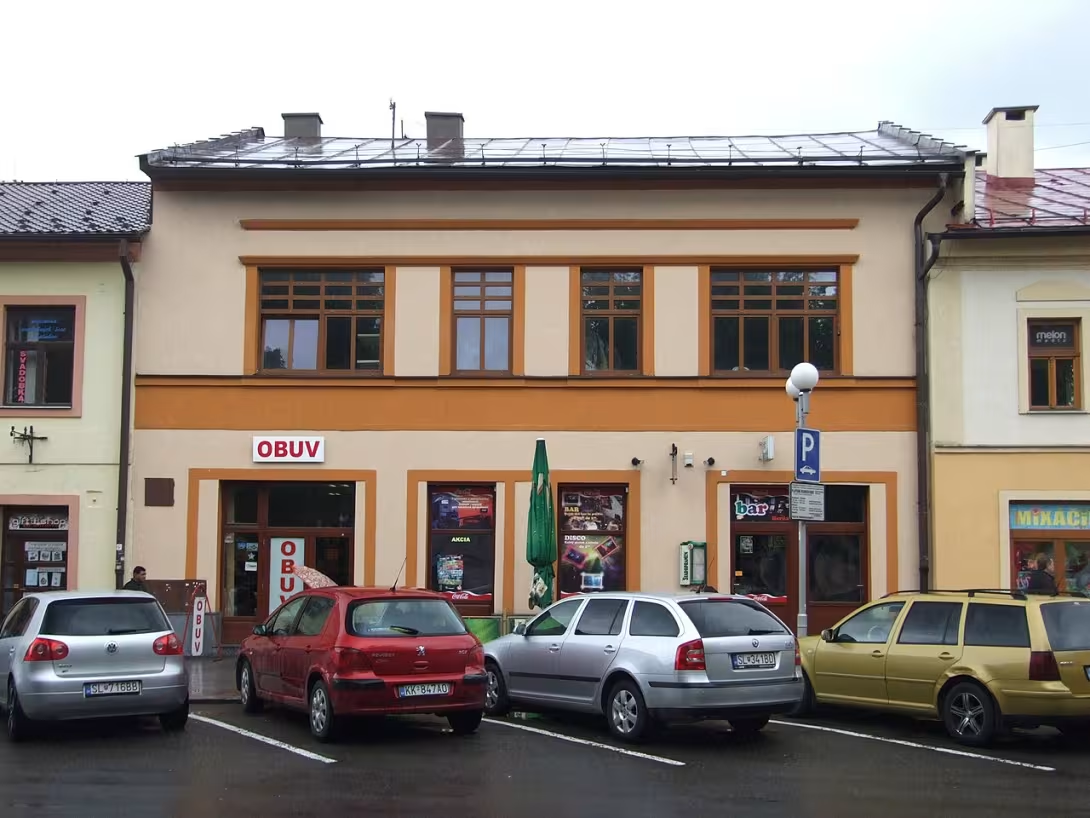

The historical view on the left is a visualisation generated by artificial intelligence and serves as inspiration.
Historical Milestones
- 17
- Increased interest of nobility in a stay in the city
- 18
- The nobles bought houses next to each other and rebuilt them into representative buildings
Interesting facts
- Townhouse in Old Town Ľubovňa is an important monument with rich history and cultural heritage. - The types of houses were influenced by the material from which the house was made, the way of heating, the solvency of the owner and the way of defense. - In the 17th and especially in the 18th century there was an increased interest of nobility in the town, which was related to its functions in the county or military administration. - The structure of the townhouse is remarkable by its architectural concept of facade.
Guide
Show guide text
The text was prepared by artificial intelligence and has not been editorially reviewed. It may contain inaccuracies.
Welcome to Stará Ľubovňa, in the heart of Prešov region, where every stone and every wall tells their own story about ancient times. Right now, you are standing in front of a building that is a quiet but proud witness to the social changes and historical breakthroughs of this city. Before you there is a townhouse, a monument that bears the rich history and cultural heritage of our country. When you look at it, you may see only solid construction at the first moment, but if you stop and feel its atmosphere deeper, you will begin to feel the breath of centuries. Look at its overall appearance and try to imagine how many generations of people have crossed its threshold and how many secrets have been kept in its walls.
To understand why this house is right here and what it meant, we need to go back a few centuries in our minds. The history of this place is closely linked to the development of Stará Ľubovňa and the changing needs of the people who lived here. The key period for the establishment and design of this house was the seventeenth century. It was at this time that an interesting trend began. A nobleman who had previously spent most of her time in his ruling settlements or castles began to show an increased interest in living in the city. The city was no longer just a place of trade and crafts, but it became an attractive centre of social life and administration.
This trend increased further in the eighteenth century. Noble families no longer wanted to visit their affairs briefly in the city, but they longed for representative housing that matched their status. So they started strategically buying houses in the city. It has often happened that a noble family bought several houses that stood right next to each other. These smaller, initially more modest burgher houses were then rebuilt. The aim was not only to increase living space, but to create truly representative settlements. It is in this context that the form of the building you are facing has emerged. This house is not just an ordinary dwelling, it is the result of an effort to connect urban practical life with noble luxury and prestige.
Now take a closer look at the architecture. Since we do not know the names of the specific architects who designed this house, we must rely on what the walls themselves tell us. Note the overall facade and perceive its proportions. At the time it was not just aesthetics, but a clear message to the surroundings. The representativeness of the seat should have been visible at first sight. Look at the way the building is embedded in space. Consider how rebuilding multiple houses into one whole changed the rhythm of the entire street.
When you see the details of the building, think about what determined the design of the house. The architecture at that time was not random. Home types were deeply influenced by four key factors. The first one was the material from which the house was made. The material determined not only durability but also possibilities of decorating and overall stability of the building. The second important factor was the way of heating. In the cold winter months in Prešov region, heating was a matter of survival and comfort, which directly affected the layout of rooms and the location of fireplaces or ovens.
The third factor was the solvency of the owner. Money spoke a clear language. The richer the owner was, the more he could invest in higher quality materials, larger remodels and details that would give admiration to passersby. And the fourth, perhaps the most interesting factor, was the way of defense. Although it was a city house, security was a priority in these centuries. Buildings had to be able to provide protection to their inhabitants in the event of danger, which was reflected in the wall thickness or in the way the entrances were secured. Now imagine how these four elements - material, heat, wealth, and security - worked together to create this particular house.
Although history did not preserve the names of the particular personalities that lived in this house, or the names of the masters who built it, the house itself is a story of social change. Imagine silent conversations in salons, where important political and business matters were dealt with, or in the kitchens where feasts were prepared for noble visits. This house was a bridge between two worlds - the world of the city, craftsmen and merchants, and the world of nobility with its strict rules and the need for representation. It is fascinating to think that in one building the needs of an ordinary burgher and the ambitions of a noble master met.
Perhaps now you will wonder if there is a mystery hidden in this house. Although we have no record of dramatic events, the transformation of space itself remains a mystery. When the nobility bought houses next to each other, they formed new connections, demolished walls, and connected rooms to form a large, smooth space. Where exactly did one house end and where did the other start? Which parts of the building remained original and were added later? It is this layer of history that makes the townhouse in Starý Ľubovňa such a rare piece. It's like a puzzle where each piece represents a different era and different needs of the owner.
Now that you look back at the building, you probably don't see it just like an old house anymore. You see in it the reflection of the eighteenth century, you see the ambitions of the nobility and you see the practicality of the burgher's life. This house is proof of how the town of Stará Ľubovňa evolved and how it became a place where the fates of various social strata were intertwined. It is a monument that teaches us that architecture is not just about stone and wood, but above all about people, their dreams, their fear and their desire for recognition.
I hope this short trip to the past has helped you to better understand the meaning of this place. The townhouse remains a quiet guardian of the city's memory and invites us to appreciate the cultural heritage we have left. Now I'm calling you to enjoy the atmosphere of this place for a while, maybe take a photo or just breathe in the history that surrounds you.
However, your journey to Old Lubovňa is not over. There are many other interesting places in the area waiting for their discovery. Invite your senses to the next survey and follow the quiet streets that will lead you to other stories. Thank you for your attention and I wish you a pleasant continuation in discovering the beauty and secrets of this fascinating city. Let yourself be inspired by the spirit of ancient times and enjoy every moment spent in this historical environment. Auf Wiedersehen, or as our ancestors would say, have a good trip!
Tips for visitors
Townhouse
The best time to visit is all year round, except in exceptional cases.
When you visit, do not remember:
* Keys to the House * What you want to see and try
Photography is possible in the best places, such as beautifully arranged courtyards and outdoor spaces.
In the area (30 min from the place) you can visit:
* Local monument * Park
Tips for families with children: prepare for interactive activities and games in the history environment.
Frequently asked questions
Can the monument be visited?
This is a residential or farm building, not a museum with opening hours. Please view it from public space and respect the owners' privacy. We have no information about access to the interior.
Where is the monument?
Location: Nám. sv. Mikuláša 25/25, Stará Ľubovňa, Prešovský kraj. The map on this page shows the exact spot.
Why is the monument protected?
It is listed in the Central List of the Monuments Fund of the Slovak Republic as a national cultural monument (ÚZPF no. 41A-4005).
For children
Townhouse in Stardá Lubovňa is a real journey to the ancient past. The air smells like wood and fireplace smoke. The building looks completely different than your home or school.
Imagine this house as a character from your favorite game that shows how strong, important, and rich the player is. What the house looked like told everyone everything without a word.
You know what's most interesting about that? This house is like a secret book written of stone and wood. When you look at it properly, you can read the story of how it actually lived from its walls.
Nearby
🏰 Historic sites (50)
- Dom Mešťana 0.0 km web
- Ján Kubášek 0.1 km
- Mons. Viktor Trstenský 0.1 km
- Milan Rastislav Štefánik 0.3 km
- Metod Dominik Trčka 0.6 km
- sv. Florián 0.8 km
- Ľubovniansky hrad 1.6 km +421 52 432 20 30 web
- Vojenská expozícia Michala Strenka 1.7 km web
- Ľubovniansky skanzen 1.7 km +421 52 432 39 82 web
- Panna Mária 3.0 km
- Galéria Hniezdne 4.3 km
- Trojičný stĺp 4.4 km web
- Rodný dom Michala Strenka 4.5 km
- Jozef Dragoš Alžbetinčan 6.1 km
- Svojim hrdinom v r. 1914-18 6.1 km
- Marianska studnicka 6.8 km
- Medzinárodné sochárske sympózium 9.5 km
- Oslobodenie sovietskou armádou 9.5 km
- Vertikála východného vetra 10.4 km
- Padlých partizánov 10.4 km
🍽️ Restaurants and dining (79)
- Dukla 0.0 km
- Pohostinstvo u Jeleňa 0.0 km
- Reštaurácia u Jeleňa 0.0 km
- Reštaurácia Gurmen 0.1 km
- Kebabing 0.1 km
- Talianska pizzéria 0.1 km
- Krčmička na rohu 0.1 km
- Čajovňa na rohu 0.1 km
- Marilla 0.1 km
- Kolkáreň 0.1 km +421 52 238 81 84 web
- Bururu pub 0.1 km
- Unico 0.1 km
- Pallace 0.1 km
- U Karola 0.1 km
- Melody bar 0.1 km
- Rotunda 0.1 km Popradská 1521/62
- Caffe Rustical 0.2 km
- Panoráma 0.2 km web
- Kaviareň na Nižnej 0.3 km
- Pizzéria Palma 0.3 km
🏨 Accommodation (51)
- Penzión u Jeleňa 0.0 km
- Penzión Gurmen 0.1 km
- Hotel Familia 0.9 km
- penzion Barbora 2.1 km
- Privát Tina 4.8 km +421919432222 web
- Silvia 5.3 km
- Hotel SOREA Ľubovňa 5.4 km +421524321751 web
- Dinda 5.7 km
- Tiny House Freedom SL 7.5 km web
- LIMBA 7.6 km +421 911 656 056 +421 904 113 714 web
- Chata Plavnica 7.9 km +421 52 43 93 807 web
- Mystery 8.9 km
- Privat BENE 8.9 km +421911876170
- U Johna 9.0 km
- Grosek 9.0 km +421524398347
- Privát Panoráma 9.0 km
- San André I. 9.0 km
- Villa Thermia 9.2 km
- San André II. 9.3 km
- Lítia 9.4 km web
🚲 Rentals and sport (8)
- TheGrind.sk 0.1 km Námestie sv. Mikuláša
- Sportisimo 0.5 km
- Športové a relaxačné centrum 0.7 km
- Plaváreň 0.7 km
- Mestská športová hala 0.8 km Tehelná 462/1
- PEM aréna 1.0 km Tehelná 10 +421940649641 web
- Wallhalla 1.7 km web
- detský bazén 9.8 km
🥾 Hiking and nature (253)
- Park na námestí svätého Mikuláša 0.0 km
- Viktóriine záhrady 1.3 km +421 950 456 630 web
- Šibeničná hora 1.8 km
- Historický tábor 1.9 km
- Nízka hora 2.1 km
- Jarabinská 2.6 km
- Nemecký vrch 2.7 km
- Pustá hora 2.8 km
- Marmon 3.3 km
- Nízka hora 3.6 km
- Hrubá klada 4.0 km
- Osly 4.2 km
- Kušlajta 4.3 km
- Široký vrch 4.3 km
- Modrenina 4.5 km
- Hŕbok 4.6 km
- Vajcovka 4.8 km
- Patria 4.8 km
- Veronika LZ - 6 5.2 km
- Prameň Andrej 5.2 km
Thematic route
Route Old Ľubovňa - Townhouse
1. Castle, the type of castle, is worth a visit for its amazing architecture and history. 2. St. Michala, a type of church, is worth a visit for its beautiful gothic details and view from the tower. 3. The townhouse, the main destination of the route, is an important monument with amazing architecture and history.
Prague Ľubovňa, Prešov region
I removed unnecessary adjectives and phrases, broken the text where possible, and translated any Czech words into Slovak. I also transferred empty phrases that didn't add any information. The text is now concise and informative, with no superfluous descriptions or evaluations.
Seasonal recommendations
Townhouse in Stará Lubovňa is a pleasant place to visit in spring. Nature awakening and light-enhancing details of historical architecture create an optimistic atmosphere. It is recommended to put on layered clothing because the weather is variable during this period.
The ideal time to visit are working days where there are smaller crowds in the building than during weekends. The summer season brings clear sunny days and the most vibrant tourism. The townhouse operates in the full world and in combination with summer vegetation creates an attractive environment for lovers of history.
Autumn puts Old Lubovňa in golden and red tones, creating a romantic atmosphere. Soft autumn light is very suitable for observation of interior and exterior details.
In winter, the house surrounds a quiet landscape, which adds to the memory of an introvert and cozy character. The atmosphere is strongest in Advent time when the city gets a holiday breath. It is necessary to wear very warm clothes to handle the cold in historical areas.
Entry: Stará Ľubovňa Monument: townhouse
Visualisations and artistic views


The visualisations are generated by artificial intelligence and serve as inspiration.
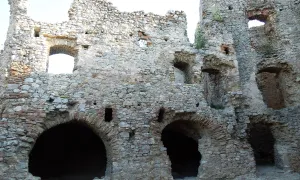
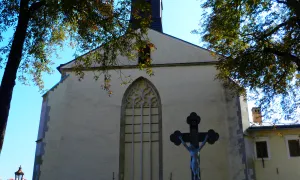
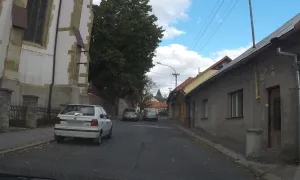
Photographs from the area
Real photos taken near the monument

Source and licence are given for each image.
Visitor Tips
No tips yet. Be the first!
Log in and add your tip.
Location on Map
More monuments – Stará Ľubovňa
Show all in the town
Visitor photos
No photos yet. Be the first to add a photo from your visit!
Log in and add your photo or leave a rating.
You get more points for a visit verified in the app — we can tell from the GPS that you are there.
Reviews and comments