








Primary Art School Boarding school
In Spišská Nová Ves there is a building of the Basic Art School, whose area is registered as a monument. The 1899 building is an example of eclecticism.
The area is listed in the list of the Slovak Monument Office under number ÚZPF 607. It consists of a hallway solitaire who originally served as a dormitory.
The elementary art school, which used to be called the People's School of Art, provides education in the fields of music, dance, literary-dramatic and visual education. The offer is extended to audiovisual and multimedia production. The operation of the school and its status are governed by Decree No 324/2008 of the Ministry of Education of the Slovak Republic Coll. of 6 August 2008.
Tehdy a dnes
Drag the slider and compare how the monument might have looked when it was built with the view today.
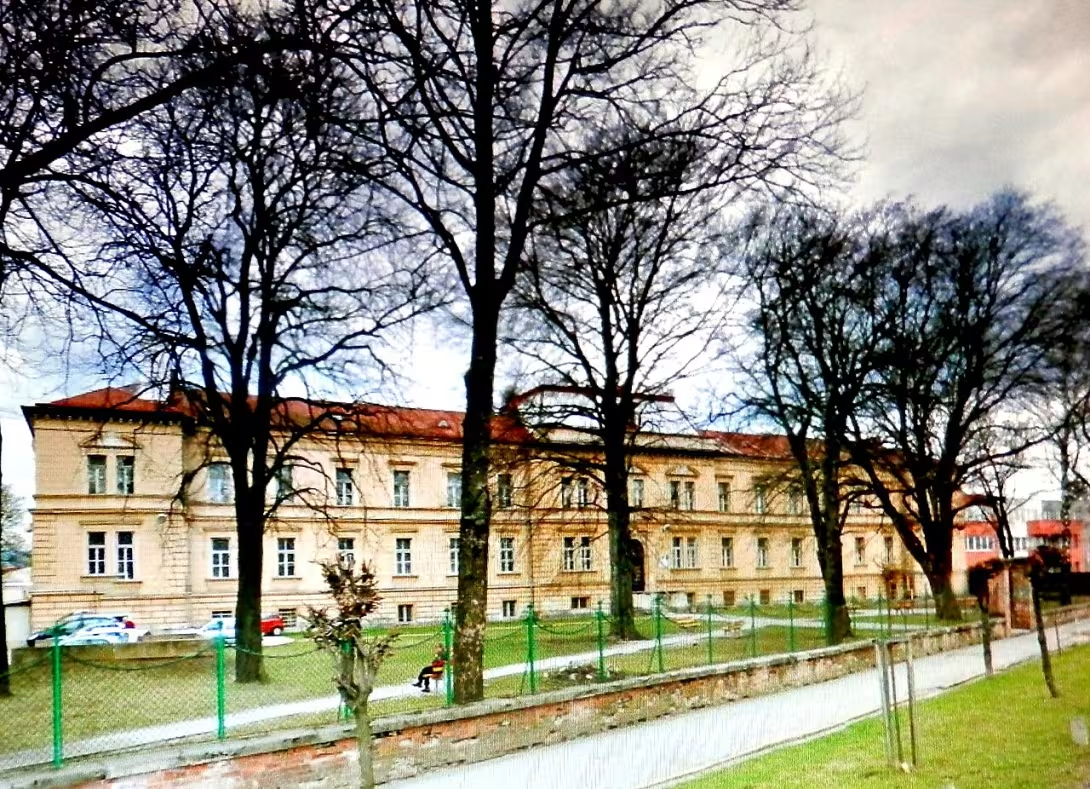
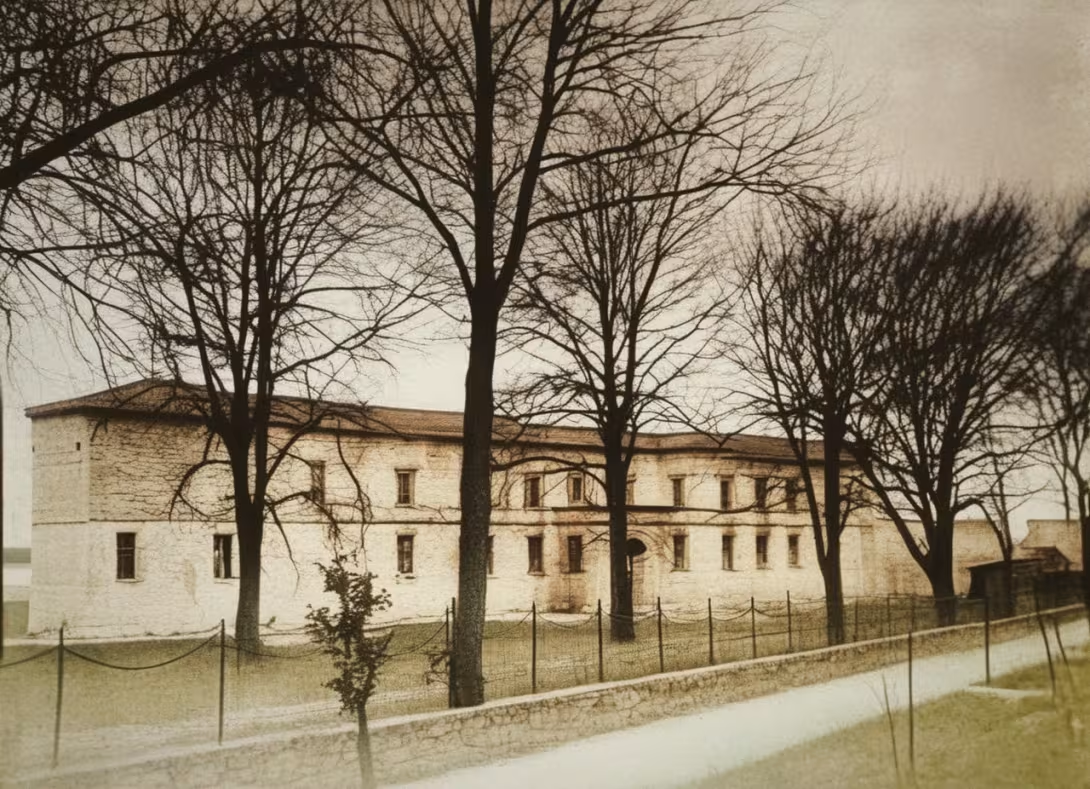
The historical view on the left is a visualisation generated by artificial intelligence and serves as inspiration.
Historical Milestones
- 1899
- creation of a building in the style of eclecticism, originally used as a boarding house
- 2008
- approval of Decree No 324/2008 of the Ministry of Education of the Slovak Republic Z.z. on the status of school
Interesting facts
- The school building comes from 1899 and represents an example of eclecticism. - The campus is registered as a monument under number ÚZPF 607. - The present area consists of a hallway solitaire, which in the past served as a dormitory. - The school used to be called the People's Art School.
Guide
Show guide text
The text was prepared by artificial intelligence and has not been editorially reviewed. It may contain inaccuracies.
We welcome you to Spišská Nová Ves, a city with a rich history and a unique atmosphere. Right now, you are standing in front of the Elementary Art School building, which is a silent but significant witness to the changes that this city has seen in the last centuries. When you look at it, you may see only a functional school building in the first moment, but if you stop and pay attention to it, it will tell you a story about the aesthetics and social development of this region. Let's go back in time to 1899. It was during this period that the building before you was created. It was a time when the city was developing and needed new premises for its inhabitants and students. Although the tones of musical instruments sound in these walls today, young talented artists move in the hallways, the original purpose of the building was completely different. At the time of its establishment, this building served as a boarding house. Imagine, then, that these rooms were sometimes slept and lived by students who came from nearby villages to get an education that would open their doors to the world. If we now focus on the architecture itself, note the overall appearance of the building. Construction is an example of eclecticism. Eclecticism is a style that combines elements from different historical periods and architects, creating something new and balanced. Now when you slowly see the facade and the overall composition of the object, feel this harmoniously balanced form. Although the names of the specific architects who designed the project are not known, their work with space and form testifies to the high-artistic chic in the late 19th century. Especially interesting is the fact that the current campus is made up of so-called corridor solitaire. This architectural element is characteristic of buildings that are independently stacked and connected by a specific system of corridors, which in the case of a former dormitory had its practical sense of organisation of housing and movement in the building. It is this structural detail that gives the building its distinctive character, which distinguishes it from ordinary urban houses in the surroundings. If we look at the history of the institution itself, we will find that the place where you stand today has a deeply rooted cultural tradition. The school used to have a name People's Art School. This name bears a strong meaning in itself, since the Folk Art Schools intended to bring artistic education to the wider population, not just to selected elites. It was an effort to democratize beauty and creativity so that anyone who had talent and taste could develop their skills in music, art or dramaturgy. 2008 is an important milestone in the modern history of the school. It was this year that decrees of the Ministry of Education of the Slovak Republic No 324/2008 were approved. Z.z., which defined the status of the school. This act confirmed the current form and mission of the school, which is to raise new generations of artistic talent in the Košice region. Perhaps you will now be interested in one important information that makes the building more than just a place of education. The whole campus is officially registered as a monument under the number of ÚZPF 607. This means that the State has recognised the historic and architectural value of this object and declared it a protected element of cultural heritage. So when you look at the building, you see not only school but a recognised monument that must be protected for future generations. It's fascinating to think about how many generations of people went through this door. From students in the dorm from the late 19th century to today's students who learn to play instruments or paint. The building has experienced changes in regimes, wars and social upheavals, but still stands in the center of Spišská Nová Ves and fulfills its function, although in a different sense than in which it was originally built. However, the identity of its creators remains a mystery. Despite the fact that the building is a monument and is a good example of eclecticism, the names of architects were forgotten in time. It is a reminder that many of the most beautiful buildings in our cities were built by anonymous masters, whose only signature is the work itself that lies before us. Now that you've learned what history this building is hiding, we recommend that you perceive its atmosphere for a while. Look at the rhythm of the windows, at the stability of the walls, and imagine how life in this city has changed from 1899 to today. This school is the bridge between the past, when it served as a home for students, and the present, when it is the centre of artistic development. Thank you for sharing with us this short trip to the history and architecture of the Basic Art School in Spišská Nová Ves. We hope that you find this object more interesting now and that you will be aware of the image of the eclectic style and tradition of the People's Art School. Now we invite you to continue exploring other beauties and monuments of this city. We wish you a pleasant follow-up tour.
Tips for visitors
Spišská Nová Ves is suitable to visit during spring and summer months. Morning light makes it easier to observe the architectural details of the building.
The basic art school building is available on foot, by car or by public transport.
For a walk around the city we recommend comfortable shoes, camera and umbrella.
The surroundings of the school are suitable for photography especially in the morning, when the side light depicts the facade and structure of the building.
Frequently asked questions
Can the monument be visited?
The building is in use (offices, a school, shops and the like). The interior is generally accessible only during operating hours and tours are not usually offered; we have not verified the details. You can see the exterior from the street.
Where is the monument?
Location: J. Fabiniho 501/1, Spišská Nová Ves, Košický kraj. The map on this page shows the exact spot.
Why is the monument protected?
It is listed in the Central List of the Monuments Fund of the Slovak Republic as a national cultural monument (ÚZPF no. 42A-607).
For children
Imagine the year is 1899. Is that 200 years ago? No, just 127 years ago. Back in town Spišská Nová Ves stood artisans and built something quite different from the ordinary house. They built a school that was supposed to be beautiful, solid, and full of art. This building is now called the Elementary Art School. It is a place where children learn to draw, paint and build, but its history is like a mysterious story from another era.
Nearby
🏰 Historic sites (86)
- Michal Filinský 0.1 km
- Starý cintorín 0.3 km
- Múzeum Spiša 0.5 km web
- Kpt. Ján Nálepka 0.5 km
- Kostolný zvon 0.6 km
- Mariánsky stĺp 0.6 km
- SNP 0.6 km
- SNP 1.8 km
- 1944 3.3 km
- ÚŽ-6 Schulerloch 3.4 km +421534298293 web
- Ruiny letohrádku 3.5 km
- Obelisk grófa Csákyho 3.5 km
- Kaštieľ Smižany 3.9 km Tatranská 302/109 web
- Základný kameň stavby 3.9 km
- Ján Nálepka 4.0 km
- Kaštieľ Odorín 5.0 km
- Kúria 5.2 km
- Markušovský hrad 5.3 km +421907 136 070 web
- Kúria 5.3 km Michalská 29/45
- Padlí v II. sv. v. 5.4 km
🍽️ Restaurants and dining (232)
- SOTTOPASSAGGIO 0.2 km +421 53 429 92 73 web
- Pizza Bomba 0.4 km +421 53 441 42 50; +421 902 771 997; +421 949 485 935; +421 915 356 865 web
- PRIMA NET Bar 0.4 km
- DUFART 0.4 km +421 918 925 798 web
- ČOKO ČOKO Čokoládovňa 0.5 km
- NATÁLKA 0.5 km +421 915 389 762 web
- ZBROJNOŠ 0.5 km +421 53 441 07 08; +421 905 384 071; +421 905 563 734 web
- eLAra 0.5 km +421 944 185 815 web
- SUN FOOD 0.5 km +421 53/441 24 60;+421 908 141 151 web
- SPIŠ 0.5 km +421 53 429 97 65; +421 903 608 627 web
- Čerstvé langoše 0.5 km
- NOSTALGIE 0.5 km +421 53 441 41 44; +421 904 580 650 web
- Resa 0.5 km
- Bistro 0.5 km
- Nemo Snack 0.5 km
- Bistro Predná Hora 0.5 km +421 911 284 992
- EsoGrill 0.5 km
- LOUNGE2LIVE CAFE&COCTAIL 0.5 km +421 53 443 18 90
- Buchvaldhaus 0.5 km +421 53448 92 18
- Dhalia kebab 0.5 km
🏨 Accommodation (84)
- Penzión Resa 0.5 km +421944723343 web
- Centrum parkhotel 0.5 km
- Metropol 0.7 km Štefánikovo námestie 1936/2
- Pri Mlyne 1.3 km Mlynská 1430/29
- Zlatý drak 1.9 km
- Šefčík 1.9 km +421 907 463 472 web
- Garni Hotel 31 2.0 km +421 951 350 734 web
- Tina 2.9 km
- Penzión Mária 3.0 km +421 53 442 16 49 web
- Elena 3.6 km
- Spišský dvor 3.6 km web
- Penzión Rittenberg 3.9 km
- Chaty Veronika a Mária 3.9 km
- Franmark 4.5 km Košiarny briežok 3518/4
- Chata Supertramp 4.5 km Košiarny briežok 3654/8 web
- U Ľubice 4.6 km
- Villa LUPU 4.6 km web
- Chata Malý Sokol 4.7 km +421 907 645 669 web
- Apartmány pri Slovenskom raji 4.8 km +421 917 872926 web
- Hotel Trio 5.2 km
🚲 Rentals and sport (15)
- Free Sport 0.4 km
- Cyklo ABC 0.5 km +421 53 4413 064 web
- Schwabik bicykle 0.5 km
- Futbalový štadión 0.9 km
- Krytá plaváreň 1.2 km Za Hornádom 2249/13
- Letné kúpalisko Spišská Nová Ves 1.2 km web
- Sportisimo 1.2 km
- Intersport 1.6 km
- Tatran 1.9 km
- Elektro bicykle Čingov 6.1 km web
- eMo BICYKLE 8.9 km +421905913338
- CykloTourSpiš 10.7 km +421903792443
- bikey 13.3 km
- M+M servis 13.4 km
- CycloToursSpiš 13.6 km +421 903792443
🥾 Hiking and nature (167)
- Park na námestí Spišská Nová Ves 0.6 km
- Modrý vrch 1.3 km
- Park pri Pošte 5 1.4 km
- Kadlubek 1.9 km
- Studenec 2.5 km
- Karasova diera 3.1 km
- Prameň Panny Márie 3.6 km
- Šajba 3.9 km
- Šibeň 3.9 km
- Šulerloch 4.0 km
- Krížik 4.3 km
- Lúč 4.5 km
- Kačelák 4.5 km
- Grófska studňa 4.6 km
- Ježová hora 4.8 km
- Tri skalky 4.9 km
- Skalka 5.2 km
- Patria 5.3 km
- Spúšťadlo 5.6 km
- Kvašné lúky 5.7 km
Thematic route
I propose an art and architecture route in Spišská Nová Ves.
1. Primary Art School - Type: Main target - Why it is worth a visit: The institution provides artistic education in the field of music, fine arts, dance and literary-dramatic talent.
2. Basic Art School Area - Type: The immediate surroundings - Why it is worth visiting: Courtyard school serves to relax and creative activities of pupils.
Seasonal recommendations
Spring brings nature to Spišská Nová Ves. The surroundings of the building come to life with the first greenery in the city parks, and the sun's rays create reflections on the facade. As it is a functioning institution, the exterior is in the rush of incoming and outgoing students. A light waterproof jacket and strong shoes are recommended for walks around because spring weather is variable. A good time to photograph architecture is the morning when the street is quieter and light depicts the details of the building.
Summer months in Košice region are characterized by warm weather and long days. The surrounding greenery provides a background and treetops shade for passersby. During this period, there is a more relaxed rhythm in the city, although the holidays are dampened by ordinary school rush. To move the city, choose airy, light clothing and head cover. A good time to explore the surrounding area is early in the morning or evening when temperatures fall.
Autumn changes Spišská Nová Ves to shades of yellow, orange and brown. The sun drops lower and creates long shadows that highlight the lines of the building. With the beginning of the new school year, the space will be filled with life. For autumn wanderings, equip yourself with a warm sweater, a windproof coat and umbrella, as dry days and morning mist are common in the region. The appropriate hour to visit is an early afternoon when daylight is sufficiently bright.
Winter brings quiet and often snow cover to the region. Short days and early twilight cause the building to be in the dark early in the evening, while street lighting creates the atmosphere of the city. The cold weather encourages fast walking. Winter clothing is essential for staying outdoors: warm jacket, cap, gloves and slip shoes, because the trails can be icy. A good time to admire architecture is around noon, when it is warmest.
Visualisations and artistic views


The visualisations are generated by artificial intelligence and serve as inspiration.
Photographs from the area
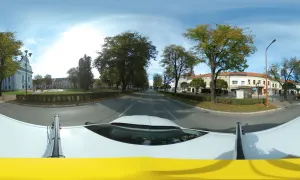
Real photos taken near the monument


Source and licence are given for each image.
Visitor Tips
No tips yet. Be the first!
Log in and add your tip.
Location on Map
More monuments – Spišská Nová Ves
Show all in the town

Visitor photos
No photos yet. Be the first to add a photo from your visit!
Log in and add your photo or leave a rating.
You get more points for a visit verified in the app — we can tell from the GPS that you are there.
Reviews and comments