








roľnícka usadlosť Vernacular house
This folk house, located in the village of Ždiar in Prešov region, is recorded as a national cultural monument of the Slovak Republic. According to data from the Central Record of Memorials and Colorful Monuments (ÚZPF) belong to the number 416-3731. The house was exhibited in the early 20th century, namely in 2000.
The monument area includes only one object: Folk house with characteristic log and brick structures. This type of building is an example of a traditional Slovak home that was created in the early 20th century.
According to available data, there are no details of the building characteristics of this house, such as its disposition, flooring or materials used. This information was not included in the registration record.
The folk house is located at No. 307 in the village Ždiar. The specific data on the cadastral area, the dates of the conservation declaration or the existence of conservation zones are not included in the available records. There are also no details about the state and current functions of this object.
This folk house is located in the village Ždiar, which is located in Prešov region. Its presence gives the place unique value and interests those who are curious about traditional Slovak buildings.
Tehdy a dnes
Drag the slider and compare how the monument might have looked when it was built with the view today.
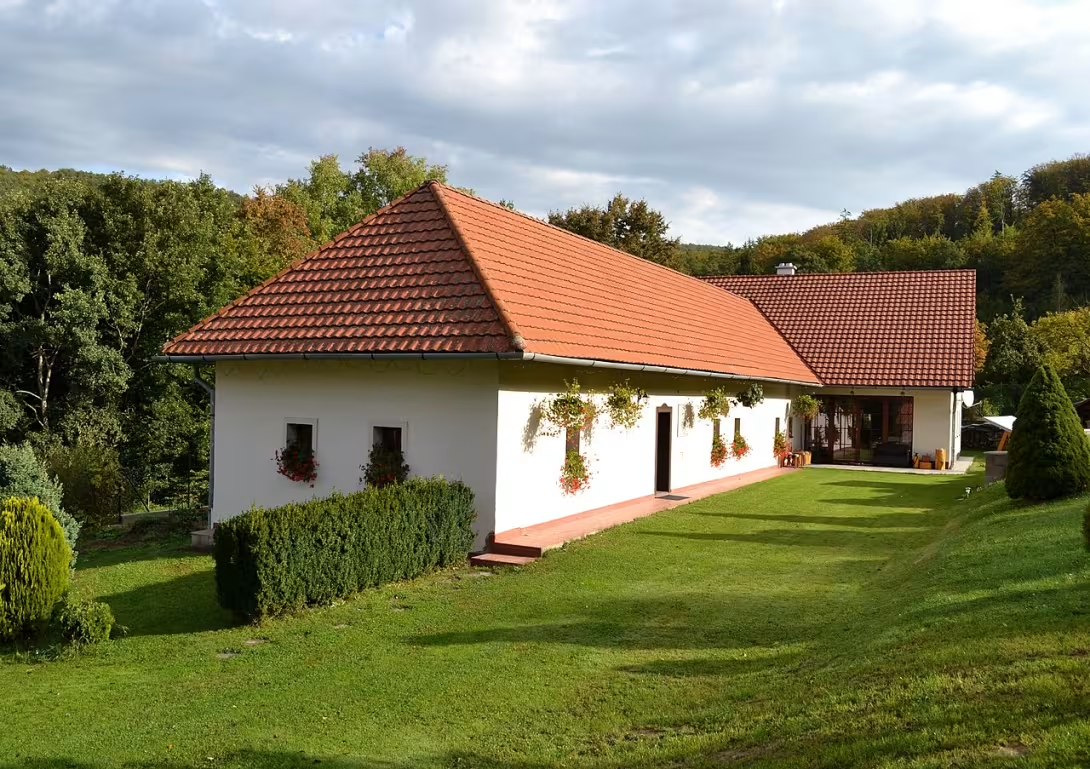

The historical view on the left is a visualisation generated by artificial intelligence and serves as inspiration.
Historical Milestones
- 2000
- Exhibition of the People's House in the village of Ždiar
- round 1900
- Typical farmhouse was created in Slovakia
Interesting facts
- The folk house is recorded as a national cultural monument of the Slovak Republic. - According to the Central Record of Memorials and Colorful Monuments (ÚZPF), it has the number 3731. - The house was exhibited in the early 20th century, namely in 2000. - The monument area includes only one object: Folk house with characteristic log and brick structures. - This type of building is an example of a traditional Slovak home that was created in the early 20th century.
Guide
Show guide text
The text was prepared by artificial intelligence and has not been editorially reviewed. It may contain inaccuracies.
Welcome to Zdiar. You have just stopped at a place that carries a quiet voice of the past and a deep trace of human life in this beautiful, mountain environment. You stand right in front of a peasant settlement known as the Folk House. Before you begin your next journey, try to stop your steps for a while, put all your thoughts to the present and just like that, without a cold, to perceive what you have before you. You may notice how this structure naturally fits into the environment, as if it were always there, as part of this country, as an integral part of it. This view of traditional settlement is the first step into a world that no longer exists as we know it today, but which still leaves a strong emotion and a sense of connection with our roots.
This house is not just a building made of materials that carry traces of time. It is a symbol of life that was once in this region rhythmic, hard and at the same time extremely rich in traditions. Although we do not know the exact year this settlement was founded, nor the exact names of the people who built it, its presence here is evidence of man's constant efforts to make houses and stability in difficult conditions of mountain environment. This unknown chronology gives the place a special charm. When we do not know exactly which century it comes from, this house becomes timeless. It is not imprisoned on one particular date, but it belongs to all the generations who lived here and to all those who stand before it today, just like you, trying to understand what this object means.
Now that you are getting used to it at first sight, try to pay attention to the architecture itself. Look at the overall composition of this settlement. See how the structure is stratified, how its overall weight works, and how its shapes communicate with the surrounding landscape. Although there are no details in our records about each individual cutting or connection, the very form of folk houses in this area tells us about the deep wisdom of ancient builders. Notice how architecture has adapted to the needs of everyday life. Each corner of this settlement had its purpose, each part of the building was the result of practical need and respect for nature. Look at how the different parts of the building complement each other and create one harmonious whole. Feel this harmony, which is not random, but is the result of centuries of experience in living in harmony with the environment.
As you look at these walls and the entire structure of the settlements, try to imagine those people who once lived their days here. Unknown their names, we don't know their voices, but their presence is felt in this place. They were farmers, people of work who faced the challenges of nature every day, but at the same time managed to create a home full of dignity. This house was a safe haven for them, a place where the next generation was born and knowledge of life was passed on. Although their stories are not written in the textbooks of history, their lifestyle is written in the very form of this settlement. Every detail you see is a reflection of their patience, their skills, and their firm efforts to survive.
There's a secret in this place. It's a secret unknown. What would these walls say if they could talk? What secrets do they carry? Since we do not know the exact time of their origin, there is room for imagination. It is the rare possibility that allows us to perceive history, not as a set of dry facts, but as a living, vibrant entity. This uncertainty, this lack of accurate data on architects or personalities, makes this place something more than a historical memorial. It makes it a place where reality meets a legend, where the fact with what we imagine will swim through one vague but fascinating whole.
Feel this atmosphere. Feel the silence that sometimes penetrates and the deep peace that this house radiates. It's the peace of a man who knows where his place is in the world. Although the world around us is constantly changing, even though technologies and ways of life change every century, this settlement remains a silent witness to the continuous continuity of human being.
Now I want to invite you to continue your tour. Don't expect anyone to tell you every little thing, but try being the best observer for yourself. Walk around, change your perspective, look at the settlement from another side. See how light changes on its surfaces and how it changes your sense of proximity. Be carried away by this sense of historical continuity.
Thank you for choosing this very place and for taking the time to understand its quiet beauty. We believe that this moment in Zdiar brought you something valuable and that it helped you to better understand the spirit of this country. Continue your journey with open thought and respect for all those who have walked before you. We wish you a beautiful and inspiring tour of the whole area. Goodbye.
Tips for visitors
The best time to visit the farmers' settlement is in the autumn months, when the climate is pleasant and less visitors. At this time, the colors of nature appear in their best form. By means of veřejnej transport you can arrive at the place; specific connections ověřeřte in the current search engine. Build a bag with drinking water, protective cream and suitable shoes for walking on soft roads. Also remember the camera or mobile phones with the camera device. Photography is best in the morning or in the evening when light is soft and the ideal environment for capturing details appeared. The best places are these where you have a general view of the settlement. In the immediate vicinity it is possible to visit the historic castle in Ždiar, which offers an overview of the past of the region. This place is also suitable for families with children, as there are also interactive elements.
Frequently asked questions
Can the monument be visited?
This is a residential or farm building, not a museum with opening hours. Please view it from public space and respect the owners' privacy. We have no information about access to the interior.
Where is the monument?
Location: č. 307, Ždiar, Prešovský kraj. The map on this page shows the exact spot.
Why is the monument protected?
It is listed in the Central List of the Monuments Fund of the Slovak Republic as a national cultural monument (ÚZPF no. 416-3731).
For children
Imagine having a time machine at your disposal. But you don't have to pull any levers or punch any foreign buttons. All you have to do is enter this farmhouse in Zdiar. Although it was established around 2000, it works as if it had stood here about 50 years ago. It's a place where time kind of stopped and let you see a world that's completely different from the one you're used to.
Nearby
🏰 Historic sites (40)
- Ždiarsky dom 0.4 km web
- Penzión Tatra 0.5 km
- prof. Alfred Grosz 5.9 km
- 700 r. obce 7.3 km
- Padlým rodákom v 1. sv vojne 7.5 km
- Dino Kuráň 1971-2012 7.5 km
- Múzeum ľudovej kultúry Lendak 7.7 km
- Lukáš Mánek 7.7 km
- Lovecký zámoček Hohenlohe 8.5 km +421 905 243 618 web
- Najsvätejšie Srdce Ježišovo 8.8 km
- Szałasy 9.0 km
- Galéria Encián 9.5 km web
- Prvym 7 horárom, ktori spravovali lesny majetok v Spišskej Belej 1922-34 10.6 km
- Pamätník Franza Kafku 10.7 km
- Grandhotel Praha 11.4 km web
- Múzeum TANAPu 11.8 km web
- Zagroda Sołtysów w Jurgowie 11.8 km web
- Galéria Lomnica 11.8 km
- Hotel Lomnica 11.8 km web
- Ski museum 11.9 km web
🍽️ Restaurants and dining (151)
- Bufet Livia 0.2 km
- Ždiaran 0.2 km web
- Pizzeria Rustika 0.3 km
- Hotel Sova Ždiar 0.4 km +421 905 926 601 web
- Ždiarsky dom 0.4 km
- Reštaurácia Goral 0.5 km
- Penzión Kamzík 1.3 km
- Penzión Ždiaranka 1.7 km +421910999571 web
- Reštaurácia Medvedí brloh Strachan 1.8 km +421919171519 web
- Penzion Strachan 1.9 km
- Bistro Strednica 2.2 km
- Strachan 3.4 km
- Panorama 4.3 km web
- Hniezdo 4.3 km
- U furmana 6.2 km
- Koliba 6.2 km web
- Bufet u pavúka Elvisa 6.3 km
- Hučava 6.5 km
- Mocova Koliba Pohostinstvo Pavlik Ján 7.4 km +421 911 835 392 web
- Pohostinstvo u Emila 7.8 km
🏨 Accommodation (264)
- Penzion Plesnivec 0.0 km
- Privát Silon 0.1 km
- Holiday House Daniela 0.1 km +421 (0)69 2057174 web
- Privát u Milana 0.1 km
- The Ginger Monkey 0.2 km +421 524498084 web
- Ždiaran 0.2 km web
- Privát Za lesíkom 0.2 km web
- Privát KRIŠŠÁK II. 0.3 km web
- Privát KRIŠŠÁK I. 0.3 km
- Chalupa U starej mamy 0.3 km web
- Diana 0.4 km
- Privát Gabriel 0.4 km
- Privát 249 0.5 km
- penzión Havran 0.6 km
- Penzión Tatry 0.6 km
- penzión Burger 0.6 km
- Magura 0.8 km
- Penzion pod Tatrami 0.8 km web
- Penzión Bayer 0.8 km
- Enrico 0.9 km
🚲 Rentals and sport (31)
- E-bike Strachan 2.2 km web
- Spider park 6.3 km
- Centrum Rekreacji i Wypoczynku "HAWRAŃ" Sp. z o.o. 9.2 km Podokólne 1 +48 696 232 312 web
- Relax park jazierko 11.4 km +421 944 714 302 web
- INTERSPORT 11.7 km
- Walter Renner Šport 11.8 km
- Norway Shop 11.9 km web
- Norway Shop Outlet 11.9 km web
- FK Vysoké Tatry 11.9 km
- TiMa Tatry 12.0 km
- Stienka 12.3 km web
- FUN SPORT 13.4 km Sportowa 14
- corny staw 13.4 km
- Letnie mocydełko 13.4 km
- cepersko płań 13.4 km
- jaskinia nad Porońcem 13.4 km
- SPORT 2000 Urbanovič 14.6 km +421 52 4425134 web
- Tatrasport Zampa 14.6 km web
- Tatry Motion 14.7 km
- INTERSPORT Rent Galfy 14.8 km web
🥾 Hiking and nature (376)
- Filipský vrch 0.9 km
- Javorinka 1.6 km
- Tokáreň 1.8 km
- Plošové Turne 2.0 km
- Na Skalku 2.2 km
- Magurka 2.4 km
- Slodičovský vrch 2.6 km
- Priehrštie 2.6 km
- Malý Regiel 2.7 km
- Veľký Grúň 2.8 km
- Antošovský vrch 3.0 km
- Gáflovka 3.1 km
- Veľký Regiel 3.2 km
- Lastovica 3.2 km
- Vysoký vrch 3.3 km
- Žľabina 3.4 km
- Kardolinsky vrch 3.5 km
- Hlúpa veža 3.6 km
- Žlebínske Turnie 3.7 km
- Malý Príslop 3.8 km
Thematic route
Thematic cruise route: Barbecue settlement The House of Folk and Surroundings
1. Farmhouse - Folk House Type: Historical monument Visitors can survive the authentic environment with the house, chlbovňa, sheep's and other instruments that point to the traditional way of life of the 19th century Slovak peasants. 2. St. Nicholas Church in Ždiar Type: Cultural object The church is part of Ždiar town and contributes to its historical character. 3. Park in Ždiar Type: Green zone The park offers a peaceful atmosphere, an ideal place of residence to look at the landscape and space for rosy activities. 4. Museum rhinoceros in Zdiar Type: Exhibition area The two guests of the exposure and action that focus on historical and cultural aspects of the area. 5. Shops in Centri Ždiar Type: Commercial zones On the way through histórical and cultural sites you can buy traditional products or search local gastronomy. This route offers a view of the historical and cultural heritage of Ždiar.
Seasonal recommendations
Jaro: In the spring there is a peasant settlement in Ždiar around the flower nature. The dazzling solar worlds and warm air contribute to a cozy atmosphere ideal for a relaxing visit. Recommended time to visit is morning morning or in the afternoon, when crowds are sometimes even less intense and the sun enlightens colorful flowers. You wear clothes suitable for warm weather, but do not forget gloves and safety glasses.
Léto: Léto is the peak season for visiting the peasant settlement in Ždiar. Hot air and longer days contribute to the city's attractiveness, while the number of visitors is increasing. Plan a visit in the morning or evening to enjoy colder hours and avoid the greatest crowds. Clothing should be supple and practical, with emphasis on sun protection - remember UV cream, cup or cap.
Under: In the podium, the peasant settlement in Zdiar turns into a golden and rumen suit. Weather and less visitors provide an ideal context for a peaceful view of the historical monument. Visiting is the best morning or evening when the temperature is more comfortable and less demanding to travel. Clothing should be more layered to accommodate changing weather; UV cream is still needed.
Winter: Winter brings a cozy and peaceful atmosphere to the peasant settlement in Ždiar. At this time, it is best to visit the morning when the temperature is even more acceptable and less national tourists. You wear warm clothes, including a head cup and a protective glove.
Visualisations and artistic views


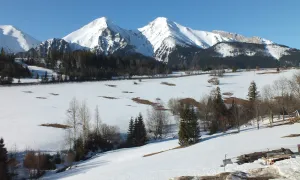
The visualisations are generated by artificial intelligence and serve as inspiration.
Photographs from the area
Real photos taken near the monument

Source and licence are given for each image.
Visitor Tips
No tips yet. Be the first!
Log in and add your tip.
Location on Map



Visitor photos
No photos yet. Be the first to add a photo from your visit!
Log in and add your photo or leave a rating.
You get more points for a visit verified in the app — we can tell from the GPS that you are there.
Reviews and comments