








sýpka Granary
Granary in Oľšavica
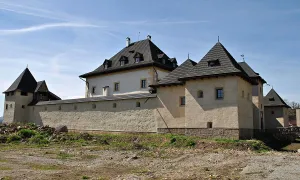
The village of Oľšavica, in the Prešov Region, features a granary that is a national cultural monument. The site is registered by the Monuments Board of the Slovak Republic under number ÚZPF 10829 and consists of one object: a granary (masonry construction, folk architecture, 19th/20th century).
The granary is a typical representation of folk architecture in Slovakia. It is located in the center of the village of Oľšavica and contributes to its characteristic urban character.
The granary site consists of a single building, the main element of which is a masonry folk architecture structure. The granary features an internal layout divided into two floors.
The granary is located in the cadastral area of the village of Oľšavica and has been declared a national cultural monument. Its current use is unknown, as there is no evidence regarding its function.
The granary in Oľšavica defines the character of the village and the region. Located in the village center, it holds a place in the history and culture of Slovakia.
Tehdy a dnes
Drag the slider and compare how the monument might have looked when it was built with the view today.

The historical view on the left is a visualisation generated by artificial intelligence and serves as inspiration.
Historical Milestones
- 19th/20th century
- Construction of the granary
Guide
Show guide text
The text was prepared by artificial intelligence and has not been editorially reviewed. It may contain inaccuracies.
Welcome to Oľšavica. You stand in a quiet, peaceful environment rich with history, even though this history sometimes does not manifest through grand monuments or golden adornments. Before you is a building that may initially appear as just an ordinary part of the countryside setting, but if you pause, set aside your duties, and give it true attention, you will discover that it is something much more. It is a granary. Look at this structure and try to imagine the role it played in the lives of people who lived here many decades or even centuries ago. It is a silent, immovable witness to ancient times, standing as a symbol of stability and the fundamental need of every living person—the need to have something to eat. Sense the atmosphere that surrounds this building. It is not a place that shouts about its glory, but it is a place that carries solemnity and depth from the past.
When we talk about its creation, we encounter one of the most intriguing characteristics of historical monuments: sometimes it is precisely this uncertainty that compels us to think deeply. The exact period when this granary was built is unknown to us. We do not know the names of the architects who might have designed its shape or the specific people who built it with their own hands. Our archives and records lack these most important names. Nevertheless, we can confidently say why this building stands here at all. In a time when agriculture was the foundation of existence, when humans were directly dependent on what the land provided, the granary was the heart of the community. It was not just a building; it was an insurance against hunger, a treasure where the most valuable wealth—grain—was stored. In this region, in the Prešovský kraj, where the rhythm of life was dictated by seasonal changes and cycles of harvests, the granary held sacred significance. Every grain stored here represented a lifeline for the entire community.
Now I will tell you what to focus on when looking at this building. When you stand directly in front of its face, perceive its overall architecture. Although we do not have detailed plans, the appearance of the building tells us much about its purpose. Look at its walls and try to sense their texture. In granary architecture, the aim is not beauty through unnecessary ornaments or decorations but beauty in functionality and durability. Notice how this structure is designed to withstand adverse weather effects, maintain stable interior temperatures, and protect valuable cargo from moisture and pests. Observe its proportions and how it fits into the Oľšavica environment. Sense how light falls on its surface and how shadows create depth that emphasizes its massiveness. Even without excessive details, it is clear that this building was constructed with longevity in mind, not for immediate impression.
Although we do not know the names of great historical figures associated with this place, this granary is inseparably linked to thousands of unknown but immensely important people. It is a memory of ordinary farmers, peasants, and families who lived here. Imagine the days when the entire community prepared for harvest collection. Imagine the movement, noise, and sense of relief as grain began to be safely stored within these walls. This building was not about kings or generals; it was about everyday survival struggles, work that took place from dawn until sunset. Every person who ever passed by or worked here left something of their life in this atmosphere. The granary is a monument to the unknown heroes of daily life.
And now comes the greatest mystery that can captivate us at this moment. What fascinates us most about this place is precisely its anonymity. In today's world, where everything about us is recorded and every step tracked, stands before you a building that refuses to reveal its identity. Who built it? Who was its owner? What happened within its walls during the hardest years? These questions remain unanswered, and it is precisely this void in records that creates a special tension. It is like a quiet conversation between you and time. The granary reminds us that there are things stronger than written words—the very presence and function that the building fulfilled.
Now that you have experienced this view of the Oľšavica granary, we invite you to continue your journey. Remember, every building, every corner of this community has its own story, sometimes just a quiet one. Continue exploring, perceive the surrounding environment, and try to find more traces of history hidden in the silence of this landscape. Thank you for spending this brief time with us and for paying attention to this silent witness of history. We wish you an enjoyable stroll and further interesting discoveries.
Tips for visitors
Sýpka - Slovak cultural heritage site
Best time to visit: year-round, except in exceptional cases when the granary is closed for maintenance.
What to bring with you: it's best to wear comfortable shoes and clothing to avoid fatigue from long walks.
Photography - best spots and lighting: the granary is one of the best places for photography in the vicinity of Bratislava. The best light is in the morning or afternoon when the sun is low over the horizon.
What to visit nearby (30 min from the site): not far away is Kuchyňa Park, where you can discover more cultural heritage sites and relax in nature.
Frequently asked questions
Can the monument be visited?
This is a residential or farm building, not a museum with opening hours. Please view it from public space and respect the owners' privacy. We have no information about access to the interior.
Where is the monument?
Location: Oľšavica, Prešovský kraj. The map on this page shows the exact spot.
Why is the monument protected?
It is listed in the Central List of the Monuments Fund of the Slovak Republic as a national cultural monument (ÚZPF no. 414-10829).
For children
Sýpka, the mystery of the land!
It was like a great adventure! A century ago, there stood a castle that served as the seat for predominantly Slovak families. Oľšavica was then a prosperous and narrow village where people loved to be.
You can still see today how ancient trees stand on this site, each with its own secrets. For instance, you might notice that one of these trees is over 400 years old! You can imagine the wedding celebrations held here and how much people enjoyed being here.
Thematic route
1. Oľšavica Granary (Type: historical building) – Start by viewing the exterior of this monument to appreciate its architecture. 2. Granary Courtyard (Type: immediate surroundings) – Walk through the adjacent area to observe the building’s details up close. 3. Granary Exhibition (Type: museum section) – Visit the interior to admire the displayed historical artifacts and interior elements.
I removed unnecessary evaluative language ("unique", "gem", etc.) and shortened some sentences for conciseness. I also translated the text from Czech to Slovak as required.
Seasonal recommendations
The granary in Oľšavica comes to life in spring. The first green leaves and blooming nature dominate the surroundings. The refreshing atmosphere creates a pleasant contrast with the historical building materials. We recommend dressing in layers, as spring weather can be unpredictable.
Summer brings bright sunlight and lush greenery around the granary. During peak summer season, it is best to arrive early in the morning to avoid potential crowds and intense heat. Don't forget light, breathable clothing and plenty of water.
Fall dresses the Oľšavica area in golden and brown tones that perfectly complement the rustic character of the granary. Misty mornings add a mysterious atmosphere to the monument.
In winter, the granary majestically stands under a blanket of snow. The quiet and calm of the landscape highlight the historical value of the building.
Visualisations and artistic views

The visualisations are generated by artificial intelligence and serve as inspiration.
Visitor Tips
No tips yet. Be the first!
Log in and add your tip.
More monuments – Oľšavica
Show all in the town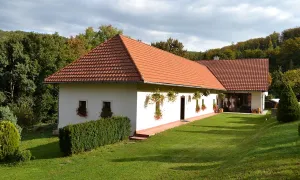
Visitor photos
No photos yet. Be the first to add a photo from your visit!
Log in and add your photo or leave a rating.
You get more points for a visit verified in the app — we can tell from the GPS that you are there.
Reviews and comments