








vila Villa
This monument is a villa located in Turňa nad Bodvou, Košice Region. According to the records of the Slovak Heritage Agency, it dates back to the early 20th century and is considered a national cultural heritage site. The villa has the designation ÚZPF 426-4676.
The area where the villa is located is registered by the Slovak Heritage Agency and consists of one object: the villa (solitaire, secession, early 20th century). This object is the only monument on that area.
Based on available information, specific details about the architectural characteristics of the villa, such as layout, number of floors, floor plan, or materials used, are unknown. These data are not included in the registration record.
The villa is located at Župná cesta 95/4 in Turňa nad Bodvou. According to available information, we do not know the exact date when it was declared a national cultural heritage site, nor details about the heritage zone or protective zone. The current condition and use of the object are also not provided.
This villa is an interesting monument for the municipality of Turňa nad Bodvou where it is located. It is an example of early 20th-century architecture and represents a significant historical object in the territory of Košice Region.
Tehdy a dnes
Drag the slider and compare how the monument might have looked when it was built with the view today.
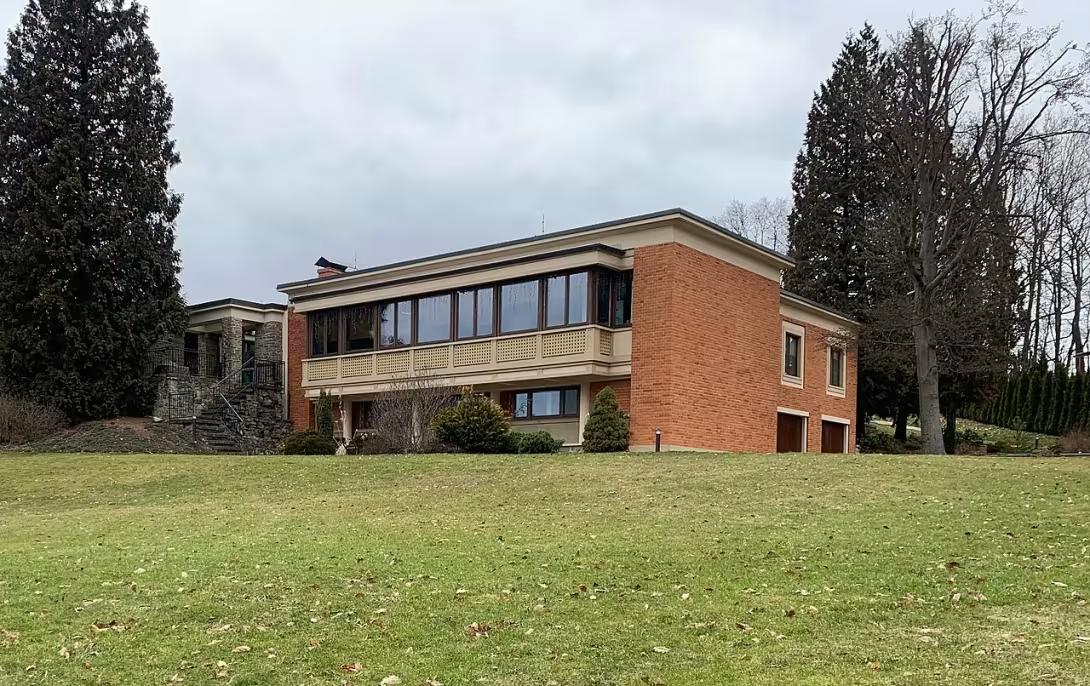
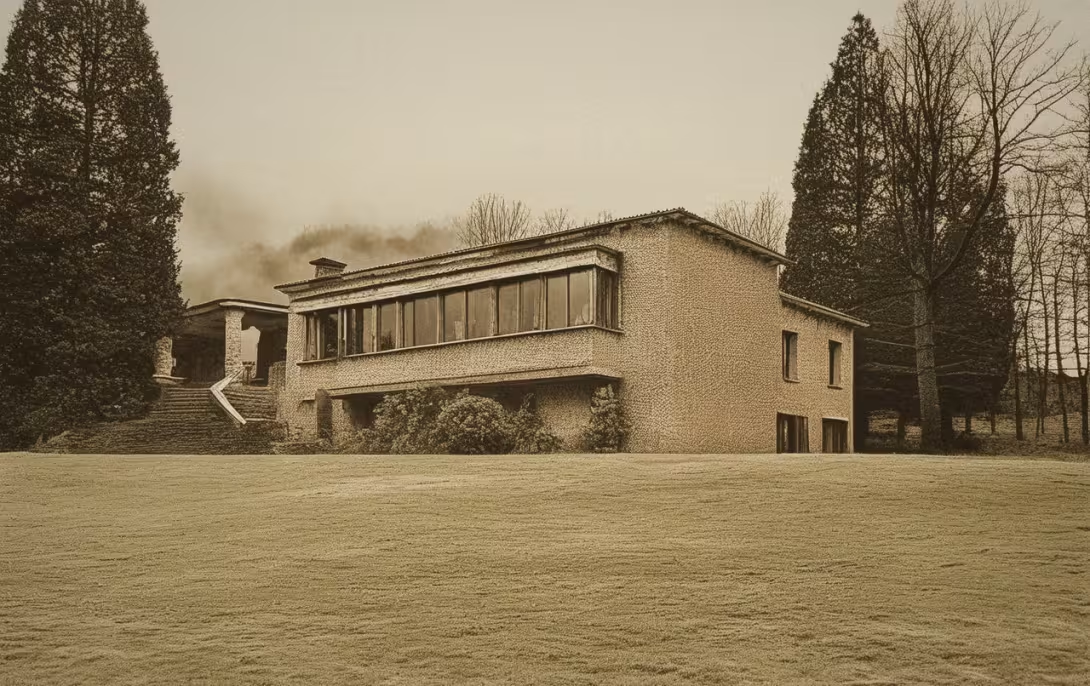
The historical view on the left is a visualisation generated by artificial intelligence and serves as inspiration.
Historical Milestones
- around 1900
- Construction of the villa in the Art Nouveau architectural style.
- early 20th century
- The villa is considered a national cultural monument.
Interesting facts
- This monument is a villa located in Turňa nad Bodvou, Košice Region. - According to records from the Slovak National Heritage Institute, it dates back to the early 20th century and is designated as a National Cultural Monument. - The villa bears the reference number ÚZPF 426-4676. - It constitutes a single structure within the site registered by the Slovak National Heritage Institute: villa (standalone building, Art Nouveau, early 20th century). - It is an example of early 20th-century architecture and represents an important historical structure in the Košice Region.
Guide
Show guide text
The text was prepared by artificial intelligence and has not been editorially reviewed. It may contain inaccuracies.
Welcome, dear visitors. You stand before an imposing villa that stretches across the tranquil part of Turňa nad Bodvou in Košice Region. Your eyes are first drawn to its wide façade, which dominates the surrounding area and asserts its presence in a land where natural beauty meets historical heritage. You hear the peaceful rustle of leaves and feel the gentle breeze carrying the scent of summer greenery, while also sensing that behind these walls lies a story that cannot be precisely dated but is part of local culture.
Look up and notice the symmetry displayed in the arrangement of windows and doors. Although the exact year of the villa's construction is not recorded in historical sources, we can assume it was built during a time when homes for the middle class and wealthier residents were developing in this area. In many Slovak villages in the 19th century and early 20th century, similar residential buildings were constructed to serve as family homes, places for social gatherings, and retreats from daily duties. In this context, our villa could have been part of such a boom when people sought to combine practical functionality with aesthetic appearance.
The architecture of the villa, though not attributed to any specific architect, reveals several characteristic elements typical of the period in which it may have emerged. Notice how the walls smoothly blend with windows that have regular shapes and are often complemented by small window frames. These frames can be adorned with simple ornaments that emphasize the elegance of the building without excessive decoration. The roof likely features a gabled design, typical for country residences, helping to channel water during rainy periods. If you look at the villa's foundation, you may notice it is built on a solid base, indicating that builders prioritized durability and stability.
Now focus your attention on the details visible right in front of you. Notice how wide the doors are and often adorned with simple wrought-iron knockers, serving not only as functional elements but also as aesthetic additions. There may be stone or brick steps around the entrance inviting you into spaces that once buzzed with daily life. On the façade, you might find small decorative elements such as reliefs or simple niches that add character and personality to the building. These features, though not meticulously documented, are typical of villas serving as family homes striving to combine practical functionality with an appealing appearance.
Since no specific historical figures associated with this villa are known, we can ponder what stories might have unfolded within its walls. Imagine families celebrating their holidays here, children playing in the yard, and guests invited for evening gatherings by candlelight. In many similar villas, celebrations, family reunions, and social events took place that brought together people from the surrounding area and strengthened community bonds. Important decisions affecting village life may have been made here, or local entrepreneurs and farmers might have gathered to discuss crops and business matters. Although we cannot cite specific names, it is likely that this villa played a role in the daily lives of Turňa nad Bodvou's residents.
An interesting aspect that may captivate any curious visitor is precisely the mystery surrounding this villa. The lack of written records and missing information about the architect, exact construction date, and personalities who lived here create space for imagination and research. For local historians and enthusiasts, it presents a challenge to delve into archival documents, oral traditions, and old photographs that might reveal more about the building's origins. Perhaps nearby there are ancient deeds mentioning the family that built the villa or old maps showing how the surrounding landscape changed over time. This ambiguity is also an opportunity for anyone interested in local history to contribute to clarifying this chapter.
Now that you have observed the main features of the villa and reflected on its possible origins, I invite you to take a look around and absorb the atmosphere that permeates here. Walk through the garden if it exists, and notice how nature and architecture complement each other. Observe how sunlight reflects off walls and how tree shadows create pleasant spots for relaxation. If you have the chance, look at the surroundings of the villa—there may be other historical buildings nearby forming a unique set of cultural heritage. Every stone, path, and window can tell its own story if we view them with an open heart and curious gaze.
In conclusion, I want to thank you for taking the time to get acquainted with this villa in Turňa nad Bodvou. Although its history remains shrouded in mystery, it is precisely this ambiguity that makes the place even more intriguing. I hope this brief introduction inspires further exploration and encourages you to return to local archives, conversations with older residents, and walks around the area where you can find more traces of the past. May the beauty of this villa accompany you on your journey and bring joyful moments in discovering hidden stories of our region. Wishing you an enjoyable and enlightening stay, and hoping we'll meet again at another historical site soon. Goodbye!
Tips for visitors
The best time to visit Vilu Turňa nad Bodvou is during the autumn months, when the surroundings are at their most beautiful and temperatures are pleasant. During this period, you can also enjoy sunny weather without uncomfortable heat.
When visiting, bring sun protection clothing, snacks, and comfortable shoes. If you're interested in photography, we recommend bringing a camera with a telephoto lens.
In the vicinity of Vilu is a historic church and park areas that are ideal for a short walk. These places offer an opportunity to explore local architecture.
For families with children, it's advisable to bring toys or a book, as the visit can last several hours. The surrounding park offers spaces for running and playing.
Frequently asked questions
Can the monument be visited?
This is a residential or farm building, not a museum with opening hours. Please view it from public space and respect the owners' privacy. We have no information about access to the interior.
Where is the monument?
Location: Župná cesta 95/4, Turňa nad Bodvou, Košický kraj. The map on this page shows the exact spot.
Why is the monument protected?
It is listed in the Central List of the Monuments Fund of the Slovak Republic as a national cultural monument (ÚZPF no. 426-4676).
For children
Imagine that time stops for just a moment. You are no longer in the present but somewhere far back in the past. You stand in the village of Turňa nad Bodvou, and before your eyes appears something magnificent. It is a villa. But it's not an ordinary villa like those you see on modern streets. This building has something special about it, something that immediately draws you in and compels you to stop.
Thematic route
1. Villa (exterior and park) – Type: Architectural object and green area. Viewing the façade and walking around the building.
2. Villa (interior and exhibitions) – Type: Historic spaces. The interior allows visitors to discover the architecture and any exhibitions.
3. Villa (courtyard) – Type: Building area. Visiting the courtyard provides a peaceful environment for observing details of the structure.
Seasonal recommendations
Jaro
In the spring season, Vila in Turňa nad Bodvou comes to life when the sun peeks through the clouds. Nature awakens and the greenery is at its liveliest, providing a stunning backdrop for photography in the town. There may be more visitors, especially during clear weather spells, so it's best to visit in the early hours. Ideal clothing includes a light jacket or coat, as mornings and evenings can still be chilly.
Léto
In summer, Vila in Turňa nad Bodvou is best visited in the late morning before long days when crowds start gathering. Sunny days allow for strolls through the gardens and exploration of historical details without concern for rain. It's recommended to wear short-sleeved clothing, sunglasses, and sunscreen. When planning your visit, consider also exploring local dining options.
Podzim
In autumn, the atmosphere at Vila in Turňa nad Bodvou shifts to shades of gray-green. Fewer visitors allow for a more peaceful experience and attention can focus on historical elements and architecture without disturbance. Clothing should be warm, including a coat or hat, as the weather is often damp and chilly. It's advisable to visit in the early hours.
Zima
In winter, Vila in Turňa nad Bodvou is covered in snow, offering a unique view when its roofs and windows reflect on the white ground. The atmosphere is quiet. Warm clothing and snow boots are essential. Visiting this monument in the early morning can be an excellent choice, as there tends to be fewer visitors and a lower chance of frozen snow.
Visualisations and artistic views

The visualisations are generated by artificial intelligence and serve as inspiration.
Visitor Tips
No tips yet. Be the first!
Log in and add your tip.
More monuments – Turňa nad Bodvou
Show all in the town
Visitor photos
No photos yet. Be the first to add a photo from your visit!
Log in and add your photo or leave a rating.
You get more points for a visit verified in the app — we can tell from the GPS that you are there.
Reviews and comments