








vojnový cintorín 1.sv.vojny Military cemetery
In the village of Sukov in the Prešov Region, there is a military cemetery built in 1914.
The site is registered by the Slovak National Heritage Board under number ÚZPF 12313. The military cemetery consists of one object from the period of World War I, specifically from the years 1914 to 1918.
This monument is protected as a national cultural heritage and is listed under number ÚZPF 415-12313. The location of the monuments is in the village of Sukov.
This military cemetery in Sukov represents a historical object from World War I. Visiting this site allows one to learn about the historical legacy of the first half of the 20th century.
Historical Milestones
- 1914
- The war cemetery was built
- 1918
- End of the First World War
Guide
Show guide text
The text was prepared by artificial intelligence and has not been editorially reviewed. It may contain inaccuracies.
Welcome. You stand before a place that demands more from its visitor than just an ordinary glance. It is a place where the movement of the world paused to live in silence, and where history meets infinite peace. Before you lies the war cemetery in the village of Sukov, a site serving as a quiet guardian of memories of events that over a century ago forever changed the face of our country and the entire world. When you look at this space, you might initially see only stone shapes and silence, but if you pause and let the atmosphere of this place envelop you, you will begin to perceive its true weight. It is a place connected with sacrifice, loss, and the relentless flow of time.
This cemetery is not just an ordinary burial ground. It is a historical testament to World War I, a conflict recorded in history as one of humanity's greatest tragedies. At a time when the world was caught up in global upheavals, this area within the Prešov Region became part of a wider historical cycle. The soldiers who rest here today came from various corners of the world, often from places now far removed by hundreds or thousands of kilometers from this peaceful Sukov countryside. They were men whose lives were abruptly redirected into military reality, and their fate was forever halted in this land. Although precise chronological records about when exactly this cemetery was founded are not completely determined in our archives, its spirit and function are clear—it is a final resting place for those who fell serving their ideals or in the unfortunate circumstances of war.
As you begin to move around the perimeter of the cemetery with an observant eye, pay attention to how this space is perceived. Notice how the architecture of this site strives to communicate with the surrounding landscape. Although specific names of architects who conceived this design are not mentioned here, you can sense the effort to create a harmonious whole. Look at the graves and their arrangement. In every stone, in each line that you see, there is an attempt to preserve dignity. Feel the solemnity that emanates from the layout of individual burial sites. It's not just about the materials visible here but how these elements form a space dedicated to remembrance. Notice how the silence of this place contrasts with the dynamics of the modern world. Every detail, every trace of time on stone surfaces, invites you to pause and deeply perceive the presence of those who are no longer here.
However, in searching for specific stories, you will encounter one of history's most challenging aspects— anonymity. In these records, we do not have the names of great historical figures that would change this place, but in reality, this cemetery is built on the stories of thousands of ordinary people. Every grave you see now represents a life, a family, and a story cut short. Perhaps here rests a young man who had plans to cultivate land in some distant province before the war, or someone simply waiting for their return home. It is precisely this unknown nature of many of them that gives the place a specific, almost chilling depth. They are not just names in history books; they are human fates that encountered the harsh reality of war.
You might be curious about one question often arising in visitors' minds when viewing such places: what does this cemetery tell us about ourselves? An interesting aspect is that World War I military cemeteries function as lines in time. They are places where progress stopped, and a person can return to fundamental questions of life and death. Only silence and stone memory remain. This connection between what was and what is today creates an invisible thread linking you, the visitor, with a generation that lived through the century's greatest storm. There is a certain mystery—how is it possible for such a massive historical moment to be perceived so peacefully and quietly now? It is the power of memory that can transform a place of tragedy into a site of meditation.
Now we invite you to continue slowly exploring this cemetery. Do not just quickly glance at individual points, but rather let yourself be carried away by the feeling this place evokes. Walk its paths, sense the scent of the surroundings and the depth of silence. Allow space for your own thoughts and a quiet thankfulness for the peace we have today. As you leave, carry with you this feeling as a silent legacy from the past that reminds you of the value of every moment. Thank you for dedicating time to this visit and stopping in Sukov to honor the memory of those who rest here. Goodbye.
Tips for visitors
WWI WAR CEMETERY
The best time to visit is year-round, except during extreme weather.
What to bring:
* Photography equipment for stunning shots * Water and snacks to sustain you during your visit
Photography – best locations and lighting: you can ask for advice on the best photo spots directly at the cemetery.
What to visit nearby (within 30 minutes):
* War History Museum * WWI Memorial Plaque
Tips for families with children:
* Prepare your children for the trip to help them connect with history * Choose a suitable spot for photos so you can enjoy quality time with your family
Frequently asked questions
Can the monument be visited?
Cemeteries and graves are usually accessible; please respect the dignity of the place. We have not verified the opening hours of this cemetery.
Where is the monument?
Location: Sukov, Prešovský kraj. The map on this page shows the exact spot.
Why is the monument protected?
It is listed in the Central List of the Monuments Fund of the Slovak Republic as a national cultural monument (ÚZPF no. 415-12313).
For children
Memory of the World War I Cemetery
Imagine you have a key to time in your hand. When you turn it, the world around you changes completely. 112 years ago, the world around Šukov changed beyond recognition. It was 1914 and one of the greatest historical stories began.
In those days, it wasn't as quiet here as it is now. Imagine instead of bird songs hearing the noise of soldiers, the sound of their heavy boots on the ground, and constant movement. They were men who came from different places.
Thematic route
Sukovská Voivodeship Trail
1. War Cemetery – burial site from World War I where many fallen soldiers are interred. 2. Sukov Church – baroque church with notable architecture and beautiful interior. 3. May Pond – small pond offering views of surrounding forests and occasionally wildlife.
The trail is suitable for everyone interested in learning about the history of Sukov and its surroundings. The war cemetery is the main highlight of the trail.
Seasonal recommendations
Památka: vojnový cintorín 1. sv. vojny, Sukov, Prešovský kraj
JARO: What's special? Illumination due to sunlight and a pleasant atmosphere. Come before 10:00 to avoid large crowds. Don't forget to wear appropriate clothing for thawing weather.
LÉTO: Warm weather and a pleasant atmosphere are ideal for visiting the site. Come before 11:00 to avoid large crowds. Remember to dress appropriately for warm weather and bring sunglasses.
PODBZIM: Flowering trees and a pleasant atmosphere make it perfect for visiting the site. Arrive before 14:00 to avoid large crowds. Don't forget to wear appropriate clothing for cold weather and bring an umbrella.
ZIMA: Bright illumination and a lively atmosphere are ideal for visiting the site. Come before 10:30 to avoid large crowds. Remember to dress appropriately for cold weather and bring sunglasses.
Visitor Tips
No tips yet. Be the first!
Log in and add your tip.
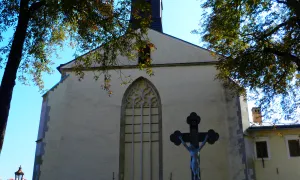
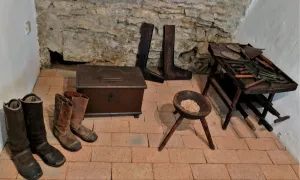
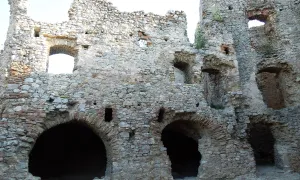

Visitor photos
No photos yet. Be the first to add a photo from your visit!
Log in and add your photo or leave a rating.
You get more points for a visit verified in the app — we can tell from the GPS that you are there.
Reviews and comments