

Coburg Palace Palace
Coburg Palace is a functionalist administrative building from 1938 at Dostoyevsky 1 in Bratislava-Old Town. It is declared a national cultural monument (ZZPF registration number 338).
The building was created for Coburg, a steel producer. The project was developed by architects Emil Belluš, Fridrich Weinwurm and Ignác Vécsei. Belluš prepared the tender and construction plans, Weinwurm and Vécsei developed an implementation elaborate.
It is a functionalistic building with a L-shaped floor plan and a three-track layout. It consists of eight floors and a cellar. Steel skeleton, ceramic tiles and Kraus steel windows were used in construction. The implementation lacks balconies, high representative parter and staged roof superstructure, which were in original plans.
On the right of the entrance there is a memorial board of policy by Karol Šmidke (1897 - 1952) created by V. Belt and settled on August 26, 1964.
Tehdy a dnes
Drag the slider and compare how the monument might have looked when it was built with the view today.
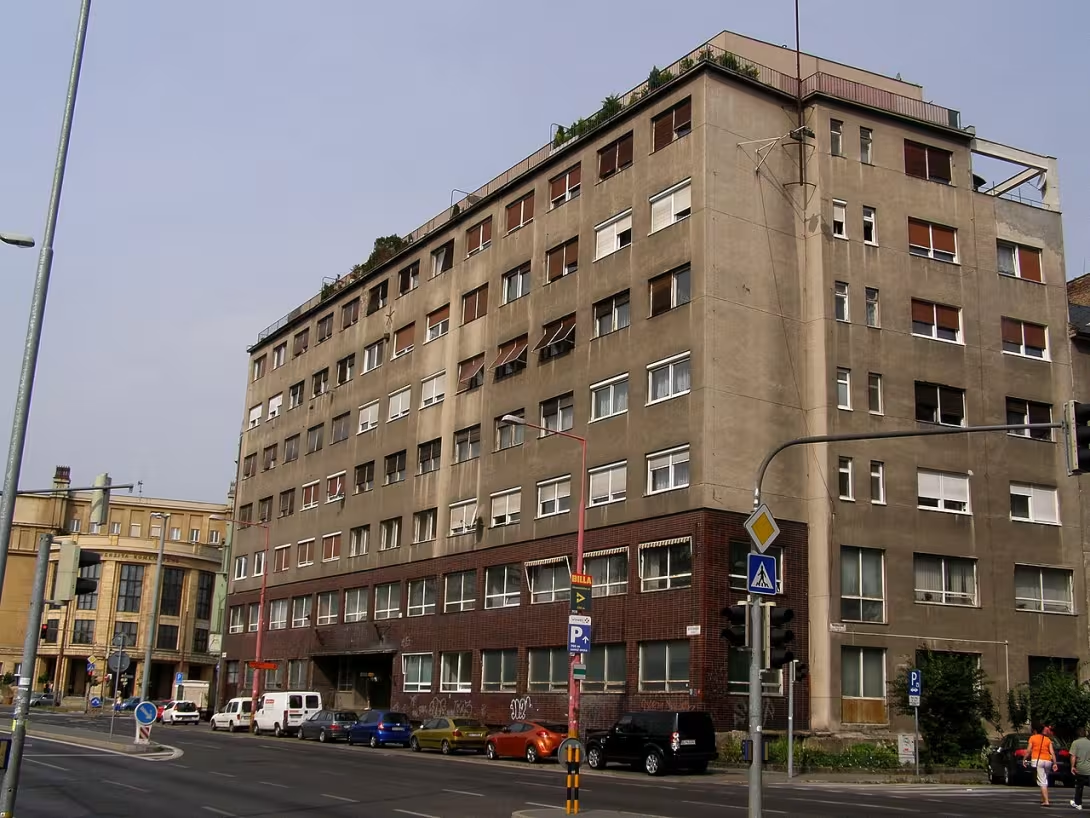
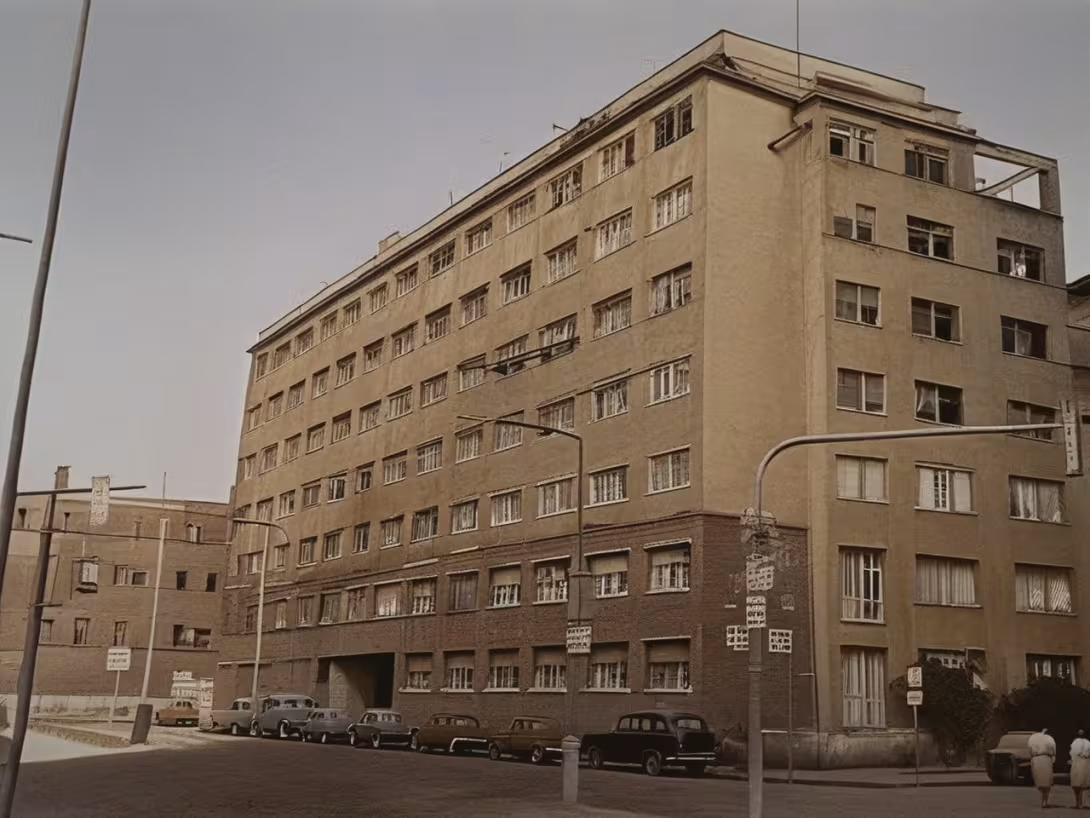
The historical view on the left is a visualisation generated by artificial intelligence and serves as inspiration.
Historical Milestones
- 1938
- Building a functionalist administrative building for Coburg
- 1964
- Installation of a memorial board for politician Karol Šmidkeh
Interesting facts
- The building was created for Coburg, a steel producer, and its project was developed by architects Emil Belluš, Fridrich Weinwurm and Ignác Vécsei. - Steel skeleton, ceramic tiles and Kraus steel windows were used in construction. - The implementation lacks balconies, high representative parter and staged roof superstructure, which were in original plans. - On the right of the entrance there is a memorial board of policy by Karol Šmidke (1897 - 1952) created by V. Belt and settled on August 26, 1964.
Guide
Show guide text
The text was prepared by artificial intelligence and has not been editorially reviewed. It may contain inaccuracies.
Welcome to the heart of Bratislava's Old Town. Right now, you are standing in front of a building that may seem to be a bit of a shock, but is actually a fascinating witness to the industrial and administrative history of our capital. In front of you are the bars of the Coburg Palace, which today serves as an office building. When you look at it, you will see clear lines and functionality that is typical for the period in which it was created. It is not a palace in the sense of an aristocratic settlement with rich ornaments, but rather a palace of modernity and industry, which should represent the strength and stability of the society for which it was built.
Let's see how and why this building was created. Move your thoughts to 1938. During this period Europe was undergoing major changes and Bratislava developed in the city of modern office space. This functionalist administrative building for Coburg was built this year. Coburg was a major steel producer at the time, which is crucial for understanding the whole nature of the construction. When a company invests in its representative building, it wants to send a clear signal about its quality, precision and technical progress. Therefore, it is no coincidence that the building looks exactly what it looks like - it is an architecture of efficiency and material purity.
Nyní pay attention to the architecture itself and the details you can see right in front of you. Although the authors of the project are listed as unknown in some sources, historical facts lead us to the names of the three major architects who worked on the project. It was Emil Belluš, Fridrich Weinwurm and Ignac Vécsei. If you know the Slovak architecture of the interwar period, these names are probably known to you as synonymous with the highest quality and modern access to space.
Look closer to the surface of the building and its construction. Note the ceramic tiles that cover the facade. This material was then chosen not only for its aesthetics, but mainly for its resistance and practicality. The facade is clean, without unnecessary ornaments, which is a fundamental pillar of functionalism. However, the most interesting part of the building is hidden deep beneath its surface. The whole building is built on steel skeleton. It's symbolic, isn't it? The steel producer building itself is made of steel. This construction system made it possible to create an open and stable space, which was then the peak of construction.
If you take a closer look at the windows, note their shape and arrangement. It's the Kraus steel windows. At that time, the brand Kraus was synonymous with top quality and precise industrial detail. Steel window frames complement the overall technical character of the building and create a harmonious whole with ceramic tiles. It is interesting to see how various materials - ceramics, steel and glass - meet in one building and thus create a modern city image from the late 1930s.
Let us now move on to the details that may escape at first sight, but they are important for understanding how the building was created. Looking around and building itself, note a specialty. The building lacks elements that were common at the time in representative buildings. You will not see balconies that would supply the facade of rhythm, nor the high representative parter, which would optically lift the building above street level. There are also missing stages that would naturally pass from the pavement to the inside of the building. This lack of unnecessary elements further underscores the functionalist spirit of the building - everything that did not fulfil a specific purpose was omitted. The building was supposed to be a tool for work and administration, not a place to show off luxury.
In addition to technical details, however, we are accompanied by historical traces of personalities related to this place. If you look at the walls of the building, notice the memorial sign. This tablet was installed in 1964 and is dedicated to the politician Karol Šmidkeh. The presence of this board gives the building another dimension. While the architecture itself speaks of industry and technology, this monument reminds us of the political and social history that reflected in this space. It is a silent witness to the changes in regimes and ideologies that have passed through this city over the last decades.
It's fascinating to think about how this building changed in time. Since 1938, when it served as a center for steel producers, until later when it became an administrative centre with a memory of political leaders. The building remained almost unchanged in its essence, but its meaning transformed. Functions were changed, people changed, but steel skeleton and ceramic tiles remained constant value, which survived all the storms of the century.
You might be interested in one mystery that accompanies many functional buildings from this era. It is often remembered that functionalism was not just about aesthetics but about the philosophy of life. The architects Belluš, Weinwurm and Vécsei wanted to create a space where man would work well, where light and air would play a major role. When you stand outside the building today, try to imagine how people worked there almost ninety years ago. Imagine the sound of old whistles, the rustling of papers, and the discussions about steel supplies that formed the industrialized country of the region at that time.
This building is like a machine that stopped in time but still emits the energy of its time. It's an example of how an industrial identity of a company can fit into architecture. Steel in foundations, steel in windows and functionality in every centimeter. It is a monument to people who have believed in progress, in technology and in purity of form.
Now that you've found out who was behind this building and what it's made of, I suggest you take a moment to see its atmosphere. Look at the contrast between its sharp facade and the historical surroundings of the Old Town. It is in this contrast that the power of Bratislava architecture lies in the ability to combine traditional history with bold modernity.
Thank you for sharing this short trip into the history of Coburg's thumb. We hope you have noticed all the details, from ceramic tiles to the memorial board. Now we invite you to continue your walk along the beautiful streets of Bratislava and discover other hidden treasures of this city. We wish you a pleasant day and a pleasant waste of other historical places.
Tips for visitors
We recommend a visit in spring or autumn when temperatures in the city centre are pleasant.
Due to the paved streets of the historic center we recommend shoes with comfortable soles. A valid ID card is required when entering a building that serves as an administrative building.
The building is recommended to be photographed from the exterior, especially in the morning or in the afternoon. Focus on detailed architectural and historical elements.
We recommend exploring the historical streets of the Old Town around Coburg's thumb. Families with children can focus on observing the details of the facade and searching for historical characters on the building.
Frequently asked questions
Can the monument be visited?
Some buildings of this kind are open for guided tours, others serve another purpose or are privately owned. We have not verified whether and when this monument is open – please ask the operator.
What are the opening hours and admission?
We have not verified the opening hours or admission. Current information is published by the operator.
Where is the monument?
Location: Dostojevského rad 2543/1, Bratislava-Staré Mesto, Bratislavský kraj. The map on this page shows the exact spot.
Why is the monument protected?
It is listed in the Central List of the Monuments Fund of the Slovak Republic as a national cultural monument (ÚZPF no. 101-338).
For children
You can imagine walking around the Old Town in Bratislava, and one of you will face a huge, clean building with a brown facade. Looks like he was painting her and then letting her rest in the sun. This building is called the Coburg Palace, and it really has something magical - it originated exactly 88 years ago, in the year some of you were not born!
Nearby
🏰 Historic sites (818)
- Karol Šmidke 0.0 km
- Verejnosť proti násiliu 0.0 km
- Slovenská výtvarná únia 0.0 km
- Galéria SVÚ 0.1 km web
- Viliam Pauliny-Tóth 0.1 km
- Daniel Tupý 0.1 km
- Dávid Unreich 0.1 km
- Ministerstvo s plnou mocou pre správu Slovenska 0.1 km
- Verejnosť proti násiliu, Študentské hnutie 0.1 km
- Prvé rozhlasové štúdio 0.1 km
- 100. výročie pripojenia Petržalky k ČSR 0.1 km
- Slovenským vlastencom - II. sv. vojna 0.2 km
- Csákyho Palác 0.2 km Štúrova 18/16
- ВЕРБА 0.2 km
- Kultúrny život 0.2 km
- Dr. France Prešeren 0.2 km
- Pavol Rotter 0.2 km
- Terézia Rotterová 0.2 km
- Eva Rotterová 0.2 km
- Pomník nenarodeným 0.2 km
🍽️ Restaurants and dining (2410)
- Jump street 0.0 km web
- Klub umelcov 0.0 km
- Pumelka 0.0 km web
- Rumelka 0.0 km
- Gumelka 0.0 km web
- Tempu Art Klub 0.1 km
- Zumelka 0.1 km web
- D8 0.1 km
- Malý Rím 0.1 km
- THeMA 0.1 km Šafárikovo námestie 7 +421 948 092 229 web
- Múza v šálke 0.1 km
- HANOI garden 0.1 km +421 944 706 322
- Fakultná jedáleň – Filozofická fakulta UK 0.1 km
- 2cee Bunšik 0.1 km
- Bufet Komenského 0.1 km
- Kaviareň Komenského 0.1 km
- Ponorka 0.2 km
- Richman 0.2 km
- Pláž Staré mesto 0.2 km web
- Kiosk Bezručova 0.2 km
🏨 Accommodation (223)
- ŠD Dobrovičova 0.2 km web
- Marrol's 0.3 km +421257784600 web
- Roset Hotel & Residence 0.3 km +421 917 373 209 web
- Centrum Salvator 0.3 km +421 221 291 470 web
- Elisabeth Old Town 0.4 km Klemensova 2523/2 +421 948 636 260 web
- Danubia Gate 0.4 km +421 917 232 000 web
- Sheraton 0.4 km +421 235 350 000 web
- Grémium 0.5 km Gorkého 201/11 web
- Avance Hotel 0.5 km Medená 7426/9 web
- Art Hotel William 0.5 km Laurinská 141/17 web
- Botel Dunajský pivovar 0.6 km web
- Hostel Manderla Bratislava 0.6 km
- Urban Elephants 0.6 km Kolárska 8 web
- Radisson Blu Carlton 0.6 km Hviezdoslavovo námestie 3 web
- Waltz 0.7 km
- Patio 0.7 km Špitálska 2196/35 +421 2 5292 5797 web
- Portus pension 0.8 km Paulínyho 158/10 web
- Aplent City Hotel Perugia 0.8 km web
- Botel Gracia 0.8 km web
- Bluebell 0.8 km +421 948 163 350
🚲 Rentals and sport (487)
- Pribinova 0.1 km
- Šafárikovo námestie 0.1 km
- Sports Direct 0.3 km web
- WhiteBikes - PRISTAV 0.3 km web
- Trekland 0.4 km web
- YOGO CITY 0.4 km +421 902 489 812 web
- Landererova/Dostojevského rad 0.4 km
- WhiteBikes - SATINSKEHO 0.5 km web
- WhiteBikes - KAMENNE 0.5 km web
- Kamenné námestie 0.5 km
- Dunajská 0.5 km
- Decathlon 0.5 km web
- WhiteBikes - MANDERLAK 0.5 km web
- WhiteBikes - TOVARENSKA 0.5 km web
- FanatiX Squash & Fitness Center 0.5 km Dunajská 2295/23 web
- Švihaj Šop & Servis 0.6 km +421 905 612 687 web
- WhiteBikes - REDUTA 0.6 km web
- Sport Vision 0.6 km web
- WhiteBikes - SPITALSKA 0.6 km web
- WhiteBikes 0.6 km web
🥾 Hiking and nature (458)
- Kačacia fontána 0.1 km
- Park Gábora Barossa 0.2 km
- Park na Jakubovom námestí 0.3 km
- Park Márie Ďuríčkovej 0.4 km
- Zvonkohra 0.4 km
- Laurinská brána 0.5 km
- Park na Dunajskej ulici - Vešeléniho (Wesselenyiho) záhrada 0.5 km
- Erb Bratislavy 0.6 km
- PANORAMA PARK 0.7 km
- Františkánska záhrada 0.7 km
- Tyršovo nábrežie 0.7 km
- Rudnayovo námestie 0.9 km
- Sad Janka Kráľa 0.9 km
- Medická záhrada 1.0 km +421 2 59246111
- Park na Kollárovom námestí 1.0 km
- Zelená strecha 1.0 km
- UFO 1.1 km web
- Parčík pri Avione 1.1 km
- Grasalkovičova záhrada 1.2 km
- Klingerka park 1.2 km
Thematic route
As the list of surroundings is not completed, I propose a thematic route in the area of the main objective:
Route in the Coburg Palace area
1. Coburg Palace (administrative building) - a monument in the city center. 2. Courtyard palace - space with details of facade. 3. Interiors and expositions - tour of interior spaces, administrative parts and historical elements of the building.
Seasonal recommendations
In the spring, the surroundings of Coburg's palace will awaken into life. The sun during this period highlights the details of the facade. It is recommended in the morning when the streets of Old Town are less crowded. Due to variable weather it is advisable to lick the skin with layers.
Summer season brings intense light and high temperatures typical for the center of Bratislava. The best time to visit is early morning or late evening. Light, breathable clothing, hat and plenty of fluids are recommended.
I'm in the Old Age. Towns characterize the colors of falling leaves. Lighting is softer in this period. It is advisable to make the cloth warmer, for example in a jacket or sweater, because evenings are cool. A visit during this period is more peaceful than in summer.
Zimą around the palace is dominated by freezing air and advent atmosphere. In snow the building operates differently, while a short day means that the city is longer illuminated by artistic lights. A warm coat, gloves and footwear with anti-slip soles is essential because of the padding on the pavements.
Visualisations and artistic views


The visualisations are generated by artificial intelligence and serve as inspiration.
Photographs from the area
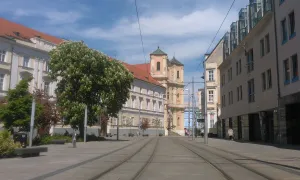
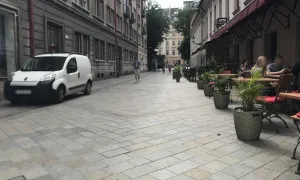
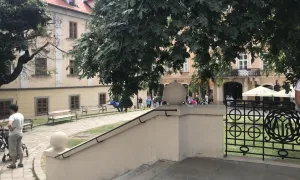
Real photos taken near the monument


Source and licence are given for each image.
Visitor Tips
No tips yet. Be the first!
Log in and add your tip.
Location on Map
More monuments – Bratislava-Staré Mesto
Show all in the town
Visitor photos
No photos yet. Be the first to add a photo from your visit!
Log in and add your photo or leave a rating.
You get more points for a visit verified in the app — we can tell from the GPS that you are there.
Reviews and comments