








meštiansky dom Burgher house
Townhouse in Poprad - a significant monument to the city heritage
Townhouse is a typical urban residential house, located in the center of Poprad. This article is about burgher houses and their history.
During the Middle Ages, houses were wooden, rarely with more solvent owners, brick. The types of houses were influenced by the material, the way of heating, the solvency of the owner and the way of defense.
The tower house was a block multi-storey building, situated on a plot with a high stone wall. The economic object was for sanitary reasons situated at the opposite end of the plot. Tower houses together formed an effective defense system.
The chamber house had a simple longitudinal floor plan and could be located anywhere on the plot. It was extremely advantageous to extend the buildings on mostly narrow medieval plots.
The house with passage was extremely well functionally usable and for a very long period became the most frequent layout type of the city residential building.
In the 17th and especially in the 18th century there was an increased interest of nobility in the city, which related to its functions in the county or military administration. The noble house was bought next to each other - sometimes two to three plots - and it was rebuilt into representative buildings.
The population in cities was growing. Residential rental houses ensured a much higher population density. They followed the traditions of the city's palace with tectonics, embodiments and entrances.
Pavlačové houses were characterized by a closed layout of a four-winged block with a central courtyard. Houses of poverty, iron houses were on the outskirts of the city, often forming part of the walls.
The original objects were modernized mainly in the parter. Many retained their original functional use (trade), but the sales method was more oriented towards advertising.
The function of housing remained in originally residential burgher houses until today, only the requirements of the standard of housing changed.
City House, Andreja Kmeťa Street 5, Banská Bystrica Štiavnica is an example of the townhouse. It also included older unorganized buildings, leaving narrow streets between the buildings.
House burgher (cross-country, corner, barok, 2.pol.18.st.) is a monument registered by the Slovak Monument Office under the number of ÚZPF 3126 and consists of 1 object: 3126/1.
Article structure:
1. Introduction - start with a 2-3 world summary right at the beginning: what it is, where, from what time and what it is 2. Creation and historical context - when, by whom and why it arose (only if it is in the background) 3. Architecture and creation - building style, materials, elements (only documented) 4. Owners, administrators, fates - who owned it, dramatic changes (only names from the background) 5. Key events and attractions - what really happened here (do not invent battles or people) 6. Today - current state and accessibility; why it is worth visiting
Tehdy a dnes
Drag the slider and compare how the monument might have looked when it was built with the view today.
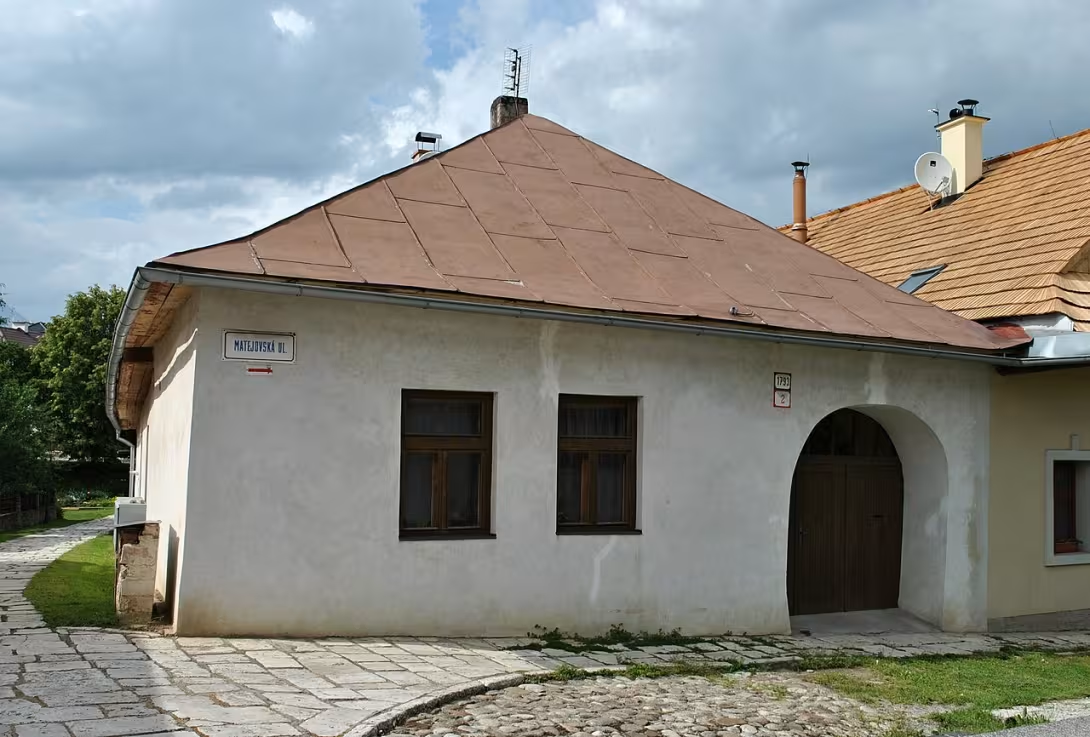
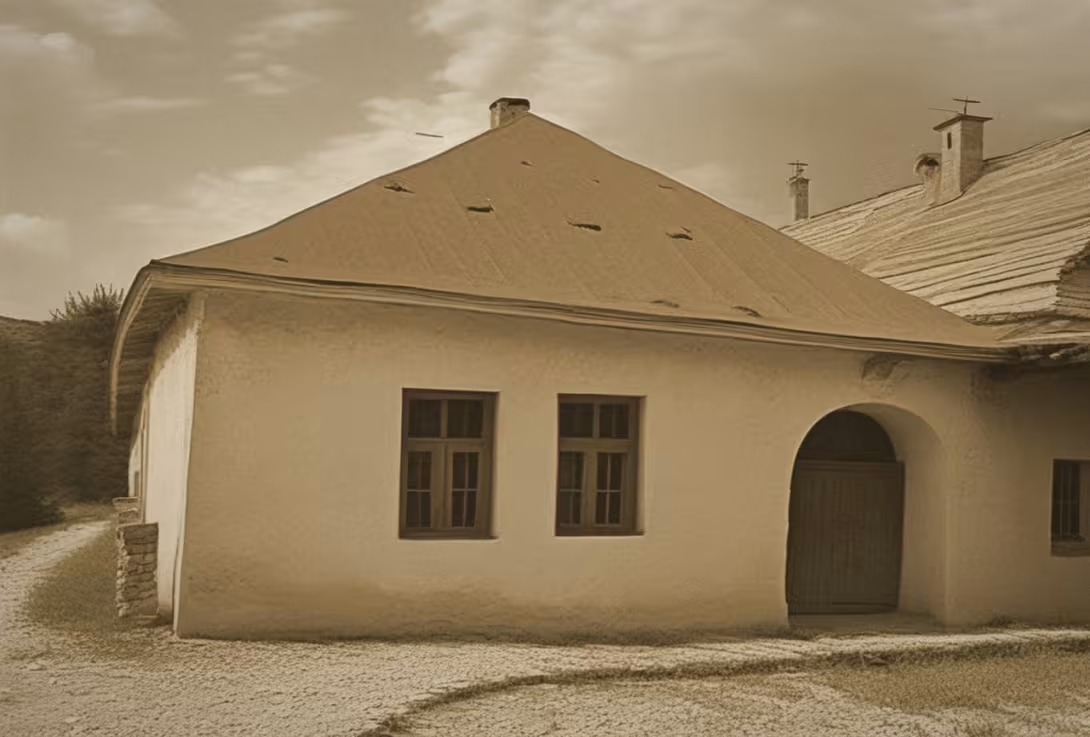
The historical view on the left is a visualisation generated by artificial intelligence and serves as inspiration.
Historical Milestones
- middle ages
- Houses were wooden, rarely with solvent owners, brick.
- 17
- The nobles bought houses next to each other and rebuilt them into representative houses.
- 18
- The population in cities grew, with much higher population density.
- 2. 19
- The house was modernized mainly in the parter.
Interesting facts
Townhouse in Poprad - a significant monument to the city heritage
... (missed text)
Guide
Show guide text
The text was prepared by artificial intelligence and has not been editorially reviewed. It may contain inaccuracies.
Welcome to Poprad, a city that connects north and south with its history, business trips and ambitions of people who have built their lives here. You stand in front of one of the burgher's houses, which is a silent but speech-seeker of urban architecture and social development. Now, if you look at the facade in front of you, you may see only one of the many buildings in the city centre, but in fact there is a layered story before you about Poprad turning from a small settlement into a major city.
To understand what we are seeing today, we must return deep into the Middle Ages in spiritual imagination. Poprad looked completely different back then. Imagine streets that were not lined with stone walls but with wooden structures. Most houses at that time were built of wood, which was available but at the same time at risk, especially due to frequent fires that used to be tragic in medieval cities. Only the most solvent owners, wealthy buyers, or prominent craftsmen could afford to build a brick house. The stone house was not only a matter of comfort, but above all a symbol of status, wealth and security. If you now feel in the atmosphere of this place, try to imagine the contrast between the humble wooden huts and the seeming indestructibility of the first stone houses.
Time went by, and the needs of the inhabitants changed with him. When we reach the 17th century, there is an interesting social shift in the city. During this period the nobility began to show increased interest in urban property. Noble families did not want to live in small, cramped areas typical of traditional burgher houses. So they started buying out a number of houses that were standing next to each other, and these separate units rebuilt into single, large and representative settlements. This process has changed the dynamics of the city flag. Houses were no longer merely functional premises for crafts and housing, but they became instruments of power and prestige, which should express the social status of their owners.
We are moving on to the eighteenth century. At this time, Poprad experienced a period of growth. The urban population grew sharply, naturally leading to a much higher population density. Space in the city center was getting smaller, but the demand for housing grew. Townhouses therefore had to adapt. Constructions became more compact, all available square meters of land were used, and thus the dense, characteristic urban building we see today.
If you are now paying attention to the lower part of the house, or its parter, you will see the result of the changes that took place later, in the 19th and early 20th centuries. It was during this period that the burgher houses in Poprad went through significant modernization. Parter, the ground floor, was the most exposed part of the house. Here, shops, workshops, or offices were opened. Upgrading the parter meant changing windows, doors and the overall appearance of the lower part of the building to match the new aesthetic trends and business needs of the time. It was on the ground floor that the old world of craftsmen met with a new world of commercial capitalism.
Although we don't know exactly who the architects of these buildings were, we don't even know the names of all the personalities that lived in these walls, we can follow the functionality and genius of the then planning. Let's look at one of the most interesting forms of turbulent housing that was a tower house. Imagine this building as a block multi-storey building situated on a plot protected by a high stone wall. Such a house was not only a place of housing but also a safe haven and stock of goods. The high wall separated the private space of the city from the noisy and dusty street, while the tower structure allowed efficient use of small plot area at the maximum number of floors.
Another fascinating feature that appeared in the city architecture was the crossing house. If you imagine the roadways and horses that dominated traffic then, you will understand why the crossing was so important. The house was extremely well functionally usable. It allowed the carriages to enter directly inside the plot, where the yard was located. Here, they could find goods, rest horses, or simply move away from the city in peace. This type of construction has become one of the most functional solutions of urban architecture for a very long period of time, as it connected the representative front of the house with practical economic background in the back.
Now that you're standing in front of this house, try to imagine the thousands of stories that have happened here. Although history has not preserved the names of all the owners, every detail of the facade, every rebuilt window in the parter and every trace of the stone speaks of the people who lived here. They were people who built Poprad, traded goods from all over Europe, protected their families behind high walls, and made it an important node on maps of the North.
The townhouse is not just a pile of stones and mortar. It's a materialized record of how the company changed. From medieval wooden houses, to noble representation houses, to modernized commercial premises from the turn of the century. It is a story of the transition from simple housing to complex urban infrastructure.
Look around you again and see the atmosphere of this street. Notice how houses touch each other, how they create a unit that carries us through time. Every house in Poprad has its own soul and although some are quiet today, their architecture still speaks.
Thank you for spending this brief moment with us in Poprad history. Now we invite you to continue exploring the city, to see its details and to look for further traces of the past that are hidden in every corner of these historical streets. Enjoy the way of the city and let Poprad inspire you further with its beauty and history. We wish you a pleasant next walk.
Tips for visitors
It is recommended that the visit be completed during working days. There are fewer people in the house at this time, making it easier to move around the rooms.
The building lies in the pedestrian zone. The journey to the house takes about five minutes on foot.
Put on comfortable shoes. Use the light to take pictures of the facade. In the interior, take pictures without lightning.
Within 30 minutes you can visit the city museum and St. Nicholas church. Both sites are available on foot.
There are simplified guide circuits and entrance with children's wheelchair.
Frequently asked questions
Can the monument be visited?
This is a residential or farm building, not a museum with opening hours. Please view it from public space and respect the owners' privacy. We have no information about access to the interior.
Where is the monument?
Location: Matejovská 1793/2, Spišská Sobota, Poprad, Prešovský kraj. The map on this page shows the exact spot.
Why is the monument protected?
It is listed in the Central List of the Monuments Fund of the Slovak Republic as a national cultural monument (ÚZPF no. 416-3126).
For children
Close your eyes and imagine pressing a secret button on an invisible time machine. Boom! One second after that, you'll wake up deep in the past, right downtown Poprad. There are no cars, no traffic lights or asphalt roads around you. Instead, you see dusty streets threatened by horses, and traders call their goods aloud. You're standing outside a building that looks like a story about secrets and brave people. It's the Townhouse.
Nearby
🏰 Historic sites (137)
- Mestská pamiatková rezervácia Spišská Sobota 0.1 km
- Gedeon Majunke 0.2 km
- Podtatranské múzeum, pobočka Spišská Sobota 0.2 km
- Zuzana Anna Hönschová 0.2 km
- Mariánsky stĺp 0.2 km
- Mariánsky stĺp 1.6 km
- Na počesť sovietskej armáde 1.7 km
- Galéria Igora Pančuka 1.8 km +421907340579 web
- Ján Bendík *25.12.1903 +25.2.1970 1.8 km
- Mariánsky stĺp 1.8 km
- Anton Mačuga, Dr. Alojz Žemla 1.8 km
- Pamätník 1. československému armádnemu zboru 1.8 km
- Jozef Bonk 1.8 km
- Augustín Tetemonte +28.8.1944 1.8 km
- Pamätník obetiam prvej deportácie Židov zo Slovenska 1.8 km
- sv. Egídius 1.9 km
- Pamätník padlých 1.9 km
- Milan Rastislav Štefánik 1.9 km
- Rodina Weiszovcov 1.9 km
- Dávid Husz 2.1 km
🍽️ Restaurants and dining (400)
- Restart Burger 0.2 km +421 918 305 001 web
- Beňovský Bistro & Market 0.2 km +421 948 346 214 web
- Café La Fée 0.2 km
- Doma u nás 0.2 km +421 948 690 390
- Espresso 0.2 km
- U Marka 0.4 km
- Zimný štadión 0.9 km
- Bufet 0.9 km
- Koliba 0.9 km
- McDonald's 1.0 km +421 917 859 553 web
- High Tatras 1.0 km Športová 1397/1 web
- Pho King Good 1.5 km
- Dobre Časy 1.5 km web
- Brunchic 1.5 km
- Brunchic 1.5 km Námestie svätého Egídia 5/9 web
- Number 1 - döner kebab 1.6 km
- Club 24 1.6 km
- Pizza Palermo 1.6 km
- Borsalino pizza 1.6 km
- Popradská Plzeňka 1.6 km Námestie svätého Egídia 9/19 +421 905 499 994 web
🏨 Accommodation (285)
- Penzión Fortuna 0.1 km +421 52 7769602 web
- Penzión Atrium 0.2 km
- Vila pod Bránou 0.2 km Slavkovská 5416/5 +421 904 408 413
- Penzión sv. Juraj 0.2 km
- Penzion Atrium 0.3 km
- Penzión Dagmar 0.3 km
- U modrého holuba 0.4 km
- Penzión Sabato 0.4 km
- Pension Pod Bránou 0.4 km
- Penzión Barborka 0.5 km +421 905 664 195 web
- Pension Sobota 0.5 km
- Penzión Plesnivec 0.6 km
- Penzión Lampáš 1.1 km +421911947754 web
- Hotel Zauber 1.1 km
- TatraMonti 1.4 km
- Penzión Dobré časy 1.5 km
- Hotel Crazy 1.6 km
- Penzión Fantázia 1.6 km 1. mája 3817/26 +421 911 610 127 web
- Ubytovanie v Poprade 1.7 km Lidická 1630/53 web
- Kaštieľ Matejovce 1.7 km +421 903 800 342 web
🚲 Rentals and sport (60)
- MK - Sportova diagnostika 1.3 km +421 949 109 177 web
- TATRYBIKE 1.5 km
- Arnox 1.6 km
- Scandinavia 1.6 km
- Regatta Great Outdoors 1.8 km
- Rabatin 1.8 km
- O.K. Sport 1.9 km
- Bicykle Nazarej 1.9 km +421 911 699 766
- Nord Blanc 2.0 km
- Intersport 2.0 km
- Sport Vision 2.0 km
- Touranbike 2.0 km
- Lyže z druhej ruky 2.4 km
- Cyklomax 2.4 km
- Husky 2.7 km
- Sportisimo 2.8 km
- EXIsport 2.8 km
- City bowling 2.8 km
- Decathlon 2.8 km
- Hall WoodRock 3.3 km +421 902 662 066
🥾 Hiking and nature (134)
- Vyhliadková veža kostola 1.8 km
- park Dávida Husza 1.8 km
- Strážske 1.9 km
- Park pred Okresným súdom Poprad 1.9 km
- Panoráma Tatier cez okno 2.1 km
- Slavkovský vrch 2.4 km
- Výšina 2.7 km
- Prameň za kolóniou 2.8 km
- Matejovský vrch 3.6 km
- Kalion 4.0 km
- Gánovské travertíny 4.1 km
- Prameň pod Grigerovou záhradou 4.3 km
- Vrt ŠHG-1 4.4 km
- Kamenný vrch 4.5 km
- Vrt ŠHG-2 4.6 km
- Barich 4.9 km
- Kvašnica 5.0 km
- Pod močiarom veľký prameň 5.1 km
- Žakovský kopec 5.4 km
- Výver z meliorácie 5.5 km
Thematic route
Route:
1. Townhouse - main destination, located in the center of Poprad. 2. St. Francis Church - located in the centre Aside from the valley of Popradská Pani. 3. Castle Štúrovo - Renaissance castle with rich history. A memorial tree grows around it.
Overview map of the route:
Poprad - Townhouse (0 km) → St. Francis Church (1 km) → Castle Štúrovo (3 km) → Poprad (5 km)
Route length: approximately 5 kilometres
Seasonal recommendations
Seasonal recommendations for visiting the history of the monument.
Pamantine: Mesiansky dom (Dom mesiansky), Poprad, Prešov region Status:
Jaro
What is specific: At a time of spring resurgence, the burgher's house is transforming into a whole new world. The lights that illuminate the building have something like the forces of life. Nature around us thrives on amazing shesh, when flowers start to bloom and trees are green. The atmosphere is full of optimism and enthusiasm.
Practical advice: The best time to visit the city house is in the morning or at a bad hour when the crowds are smaller. Prepare suitable clothes for a trip around the city, as temperatures may vary.
Summer
What is specific: Summer days are full of energy and life. The townhouse becomes the center of material activity in the city. Nature around us thrives on amazing shesh, when trees and flowers bloom. The atmosphere is full of joy and joy.
Practical advice: The best time to visit the city house is in the morning or at a bad hour when the crowds are smaller. Prepare suitable clothes for a trip around the city and do not forget to tile with a sun cap.
Podzim
What is specific: Podzime is the time when the city house becomes the center of material activity in the city. Lights illuminate the building, and the natural world around us thrives on amazing shesh, when trees and flowers have green leaves. The atmosphere is full of joy and joy.
Practical advice: The best time to visit the city house is in the morning or at a bad hour when the crowds are smaller. Prepare suitable clothes for a trip around the city and don't forget to tile with a warm shade.
Winter
Which is specific: Winter days are full of effort and optimism. The townhouse becomes the center of material activity in the city. Lights illuminate the building, and the natural world around us thrives on amazing shesh, when trees and flowers have green leaves. The atmosphere is full of joy and joy.
Practical advice: The best time to visit the city house is in the morning or at a bad hour when the crowds are smaller. Prepare warm clothes for a trip around the city and don't forget to tile with a warm shade.
Visualisations and artistic views


The visualisations are generated by artificial intelligence and serve as inspiration.
Photographs from the area
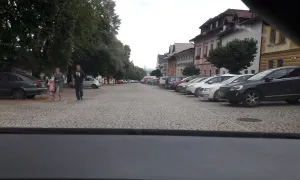
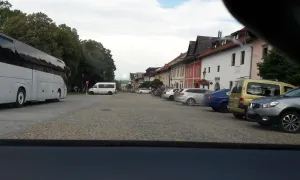
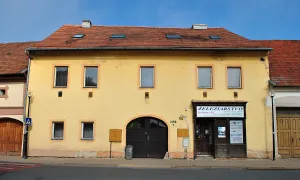
Real photos taken near the monument


Source and licence are given for each image.
Visitor Tips
No tips yet. Be the first!
Log in and add your tip.
Location on Map

Visitor photos
No photos yet. Be the first to add a photo from your visit!
Log in and add your photo or leave a rating.
You get more points for a visit verified in the app — we can tell from the GPS that you are there.
Reviews and comments