








roľnícka usadlosť Vernacular house granary
This area is a national cultural monument, namely Domem Folk with an economic part in the village Blatnica in Žilina region. According to data from the Monument Office of the Slovak Republic, the monument is registered under number ÚZPF 316-11741 and stands on site with GPS coordinates 48.93505, 18.92652. It was founded in 1900 and belongs to the middle of the 19th century. The area consists of two objects: House folk (ruin structure) and granite (walled-stone structure) which together represent an example of folk architecture.
The folk house is a log building, indicating the use of wood as primary material. The granite has a brick-stone structure, which reflects the traditional techniques used to build such objects. These two objects are a basic monument and represent a typical example of farming establishment from a given period.
The monument is located in the cadastral area of the village Blatnica. It is protected as a national cultural monument, which means it is under the protection of the state and is important for the preservation of the cultural heritage of Slovakia. The current situation allows her to visit.
This area is an example of traditional Slovak peasant architecture and offers the opportunity to gain an understanding of the history and cultural traditions of the region. Visiting this place allows you to explore the architectural style and get information about the life of ancestors in a peasant environment.
Tehdy a dnes
Drag the slider and compare how the monument might have looked when it was built with the view today.
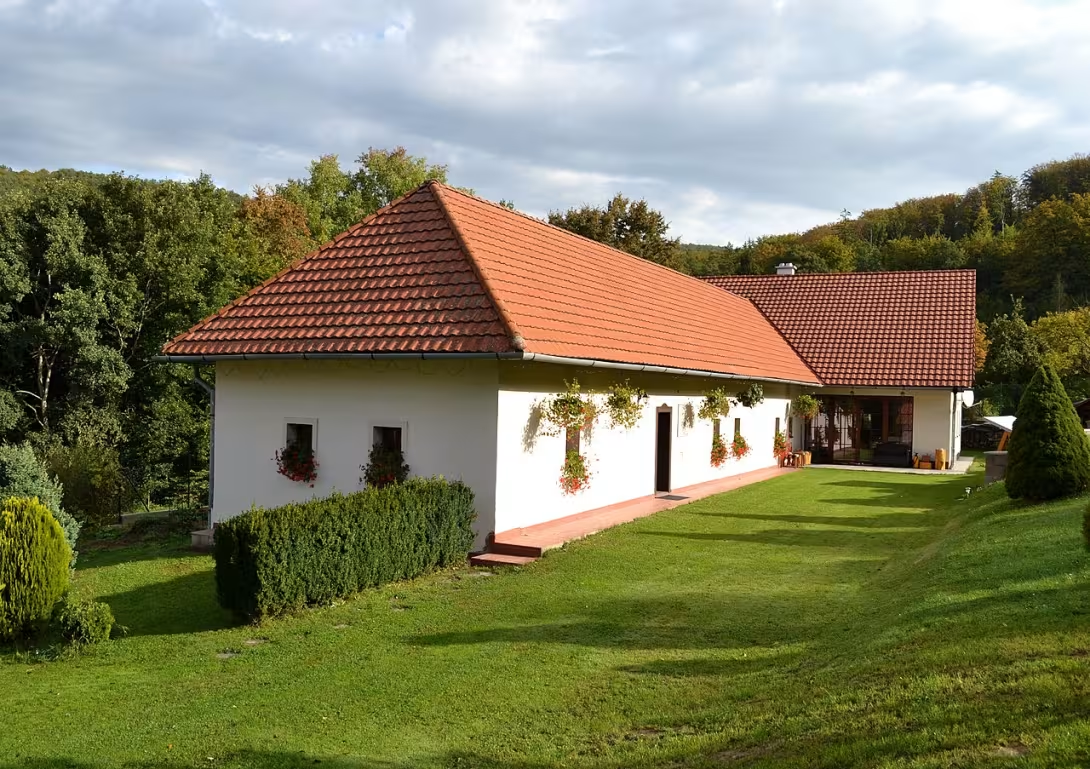
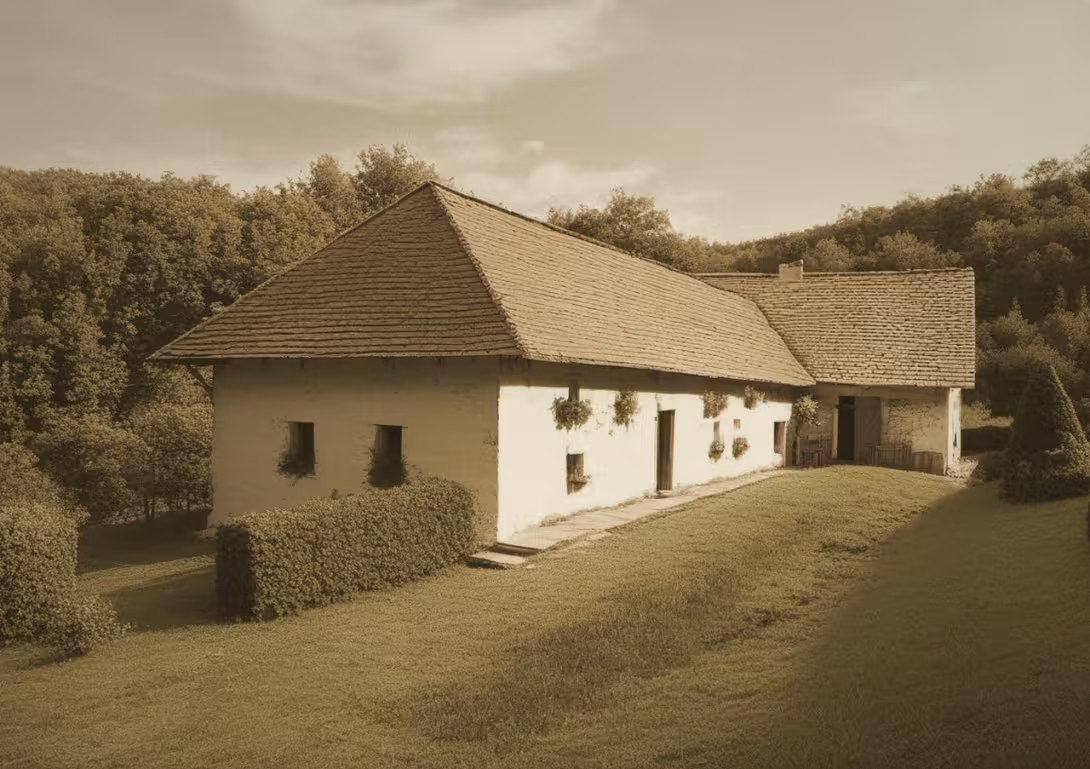
The historical view on the left is a visualisation generated by artificial intelligence and serves as inspiration.
Historical Milestones
- End of the 19th century
- Development of traditional log architecture in the Žilina region.
- 1900
- Construction of folk house and granary in the village Blatnica.
- 20th century
- Declaration of the area as a national cultural monument.
Interesting facts
- The area is a national cultural monument made up of a folk house and a granite. - The folk house has a log structure, while the granite is brick and stone. - The monument was founded in 1900 and belongs to the middle of the 19th century. - The whole area is a typical example of farming establishment and traditional Slovak peasant architecture.
Guide
Show guide text
The text was prepared by artificial intelligence and has not been editorially reviewed. It may contain inaccuracies.
You know, Blatnica. You stand in a place that allows you to stop time for a little moment and perceive the world in a completely different way than you are used to at today's fast pace. Before your eyes, there is a peasant settlement that represents something far more than just a set of buildings. It is a living symbol of tradition, a witness to the daily struggle for survival and harmonious harmony of man with nature. Looking at the overall picture you have in front of you, try to imagine the lives that have taken place here, the voices that have resonated here, and what work the hands of the people who have shaped this area have done here. Feel this composition as a whole, where the folk house and economic part are not separate entities, but integral parts of one organism.
Although history has not given us the exact names of the builders or the exact date on which this settlement was established, this unknownness bears in itself a special charm. It is this lack of chronology that makes us think about the wider historical context. This settlement is part of the wider cultural landscape of the Žilina region, where the farming and economy formed the very foundation of the social system. This is a place that has emerged from the need to create a safe and functional background for a family that has been nurtured by working in the field and caring for the economy. Each corner of this settlement was designed in terms of practicality, the needs of people who had to be in harmony with the rhythm of flowing centuries and changing seasons.
Now that you're in the vicinity, pay attention to architecture and the overall layout of the space. Look at how this place is divided. You have a double mission ahead of you: the private world of home and the working world of the economy. Note how these two functions communicate with each other. The folk house served as the center of family life, a place of rest and a protected king, while the economic part was the engine of all being. Perceive this logic of the arrangement. There was no room for unnecessary ornamentation in the traditional farmhouse if it had no purpose. All you see is the result of looking for a balance between human needs and environmental limits. Look at the relationships between the buildings and try to perceive the atmosphere of the place, which was designed to be self-sufficient and to provide everything necessary for life in this part of Slovakia.
Looking at these walls and spaces, you might wonder who the people who lived here were. Even if we don't know their names and their stories aren't written in big chronicles, their presence is still there to feel. They're anonymous heroes of everyday life. They were fathers, mothers, and children whose lives were linked to the soil, the sky, and every sunrise. Their story is not a story of great beatings or royal decisions, but a story of endurance, patience and constant work. Every detail of this settlement is a message from these people who have built their world step by step, generation after generation. It is a silent history that is not spoken but manifests itself in the very existence of this place.
There is also a mystery that answers this visit. It's the unknown that our introductions mentioned. What do silent walls tell us if we do not know their exact age? What does architecture tell us when we do not know the hands that created it? This uncertainty makes us feel deeper. The settlement becomes a universal symbol. It is not only the house of one particular farmer from Blatnica, but it is a mirror in which we can see the whole history of our ancestors. This ignorance does not limit us, but rather opens our imagination. It allows us to find our own pictures and our own understanding of the past in this space.
While you continue your search, I recommend you do not just think about what you see with your eyes, but try to perceive the environment around you. Feel the silence, perceive the light that hits these historical objects, and try to imagine how this place has changed over the centuries. Let yourself be carried away by a sense of humility before what people in the past have been able to create with such a measure of reason and nature.
Now we invite you to continue your next discovery. Take a closer look at the location, see its scope, and try to find your own place in which you relax and in which this historical space will tell you your own, quiet story. Thank you for being here with us and helping to keep these important witnesses of our culture in mind. We wish you a pleasant and inspiring tour.
Tips for visitors
The best time to visit is in the summer season, especially in July and August, when the weather is most acceptable for outdoor walks. This time of year also offers longer days, which allow more time spent research and relaxation.
For those who opt for public transport, Blatnica is also available by buses from nearby villages. Specific connections and times can be found in the current public transport timetable.
When planning the visit we recommend to bring with us protective clothing because the weather in Slovakia may be irregular. It is also a good idea to have a piece of bread and wine, as Blatnica offers an idyllic environment for relaxation in the natural surroundings.
Photography at the settlement is particularly impressive in the morning or evening when light is softer and created almost like in picturesque lands. The best places are the landscape around the settlement and the very building of the People's House.
Near Blatnice you can visit an interesting waterfall, which is located just a few minutes walk from the settlement. This place is ideal for families with children, where children can enjoy playing in the natural environment while learning about historical settlements.
Frequently asked questions
Can the monument be visited?
This is a residential or farm building, not a museum with opening hours. Please view it from public space and respect the owners' privacy. We have no information about access to the interior.
Where is the monument?
Location: Blatnica, Žilinský kraj. The map on this page shows the exact spot.
Why is the monument protected?
It is listed in the Central List of the Monuments Fund of the Slovak Republic as a national cultural monument (ÚZPF no. 316-11741).
For children
Like when we open a book full of secrets and adventures, let's move back in time to base year 1900. Almost 126 years ago in Blatnica, in Žilina region, began to take up the settlement, where you can now see the Folk House with its economic part. How was it then? Imagine there were farmers and their families living here, who each morning saw blows on a new day full of work and social opportunities. This village was like a small world where everything was more or less known.
Nearby
🏰 Historic sites (94)
- Obetiam banderovcov 0.1 km
- Ján Lupa 0.2 km
- Révayovský kaštieľ 0.3 km
- Pamätník hrdinov SNP 0.7 km
- Sovietsky veliteľ 0.7 km
- Blatnica 2.0 km
- Lavína-r.2000 3.3 km
- Peter Mlynárik 3.4 km
- Múzeum Jána Kollára 3.9 km J. Kollára 22/16
- Belis Kaštieľ Mošovce 3.9 km Kollárovo námestie 36/32 web
- Ján Kollár 4.0 km
- František Révai 4.5 km
- Modrý kaštieľ 6.3 km
- Sándor Petöfi 6.4 km
- Obecná múzeum Notariát 6.4 km
- Juštovský kaštieľ 6.5 km
- Franklinovský kaštieľ 6.5 km
- Juraj (György) Lahner 6.6 km
- Justhovský kaštieľ 6.6 km
- Michal Miloslav Hodža 6.7 km
🍽️ Restaurants and dining (139)
- U Mira 0.4 km
- Chatová osada Gader 0.8 km
- Amfiko 0.8 km
- Hostinec u Menichov 4.0 km
- Krčma u Miháľov 4.0 km
- Dedkov dvor 6.3 km
- Pod skalkou 6.5 km
- Bistro pod Kopcom 6.9 km
- Slza 7.0 km
- Centrála 7.7 km
- Jagogastro 7.7 km +421908112288 web
- Autocamping 7.9 km
- Drevená dedinka 7.9 km
- Belmondo Pizzeria & Sport pub 8.1 km +421 910 659 300 web
- Pohostinstvo 8.2 km
- Denný bar u Jozefa 8.4 km Belá 277
- Bistro u Želky 8.5 km
- Ďuríkov dvor 8.5 km
- Novstav 9.2 km
- Mliečna víla 9.2 km
🏨 Accommodation (58)
- Hotel Gader 0.9 km
- Chata pod hradom Blatnica 1.8 km
- Drienok 4.4 km Na Drienok 460/10
- Camping Drienok 4.5 km
- Zrubová chata Brotnica 6.3 km +421 903 531 047
- Diana 6.7 km +421 918 326 345 web
- Penzión 7.7 km
- Chateau Diva 8.0 km +421 948 920 622 web
- Chata Drobkov 9.2 km
- Hotel G 9.3 km
- Milka 9.4 km
- Hotel Lesník 9.5 km
- Aqua 9.5 km
- Royal Palace 9.5 km +421434918010 web
- Hotel Vyšehrad 9.6 km
- Veľká Fatra 9.6 km
- Anesis 9.6 km
- Velka Fatra 9.7 km
- Chata 108 9.8 km
- Apartmány Park 9.8 km web
🚲 Rentals and sport (20)
- Kúpalisko Drienok 4.4 km web
- Terrabike 9.2 km +421 949 130 861 web
- Kúpalisko Vieska 9.3 km web
- Červený bazén 9.6 km
- Ľudový 9.6 km
- Súkromná strelnica TRg0 SPZ MARTIN 10.5 km
- Ovčín - Boulder&Bistro 11.5 km Dolné Jaseno 160 web
- Snowland 12.7 km web
- Športové centrum Diaková 12.9 km
- Motokrosový areál ZE-TEC 13.3 km
- Sport 2000 13.8 km
- Marki Sport 13.9 km
- Sportisimo 14.2 km
- Max Šport 14.2 km web
- Novsport 14.2 km
- Segoland - lanový park 14.2 km +421 918 402 854 web
- Adventura Sports 14.3 km
- unisport 14.4 km
- Motokáry Martin 14.6 km +421 940 548 131 web
- Fit Club Strojár 14.9 km
🥾 Hiking and nature (257)
- Konuš 2.0 km
- Dolná stĺpová 2.3 km
- Horná stĺpová 2.4 km
- jaskyňa Mažarná 2.5 km
- v Ostrej 3.2 km
- Mlynčekovo 3.2 km
- Tlstá 3.3 km
- Ostrá 3.4 km
- Mošovský park 3.5 km
- Bôriny 3.5 km
- Lubená 4.0 km
- Pekárová 4.2 km
- Bágľov kopec 4.3 km
- Révaiovský prameň 4.6 km
- Malinie 4.7 km
- Jelenec 4.7 km
- Krieslo 4.8 km
- Chládkové úplazy 4.8 km
- Stráž 5.1 km
- Eliášová 5.4 km
Thematic route
Thematic cruise route from Blatnica
1. Folk House with Economic Part (Rolicka settlement) Type: Historical monument The folk house represents an example of the roller architecture. Visit him to learn more about the life and work of our ancestors in the womb.
2. Surrounding forestry zone Type: Natural location After visiting the roller shutter settle down, relax in the nearby forest, where you can walk on paths.
3. Blatnický brook Type: Natural spring Near the settlement is a small stream, which is a suitable place for short stays by the water.
4. Traditional cereal Type: Historical object Near the settlement there is an old cereal, which you can visit and realize historical methods of crop harvesting and processing.
5. Blatnická viniculture Type: Cultural site Visit Blatnicka viniculture where you can know the burgher wines and realize the importance of winery for the region.
This route offers a combination of historical, cultural and natural attractions in the area of Blatnice.
Visualisations and artistic views


The visualisations are generated by artificial intelligence and serve as inspiration.
Visitor Tips
No tips yet. Be the first!
Log in and add your tip.
Location on Map
More monuments – Blatnica
Show all in the town
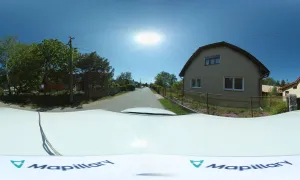


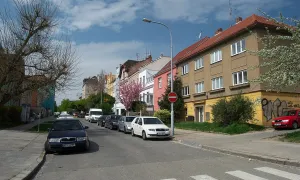
Visitor photos
No photos yet. Be the first to add a photo from your visit!
Log in and add your photo or leave a rating.
You get more points for a visit verified in the app — we can tell from the GPS that you are there.
Reviews and comments