








sýpka Granary
Sýpka, located in the village Blatnica in Žilina region, is a national cultural monument of Slovakia. This building was built in the early 20th century and belongs to the second half of the 19th century. The granite is considered an important representative of folk architecture.
The area of the granary records the Monument Office of the Slovak Republic under the number ÚZPF 11737 and consists of one object: brick-stone structure, which is an example of folk construction from the second half of the 19th century.
Details on the construction characteristics of the granary are not included in the data, so information about its availability, flooring, floor plan and material used is missing.
The granite is located at Blatnica. In addition, the data do not provide specific information on the cadastral territory, the date of the conservation declaration or the existence of a conservation zone or a protection zone. The current state and use of the granite are also unknown.
The cottage in the village Blatnica is a monument that contributes to the cultural heritage of the region. It is a place interesting for visitors who are interested in the knowledge of historical and architectural monuments of Slovakia. Visiting offers an opportunity to better understand the past culture and traditions.
Tehdy a dnes
Drag the slider and compare how the monument might have looked when it was built with the view today.
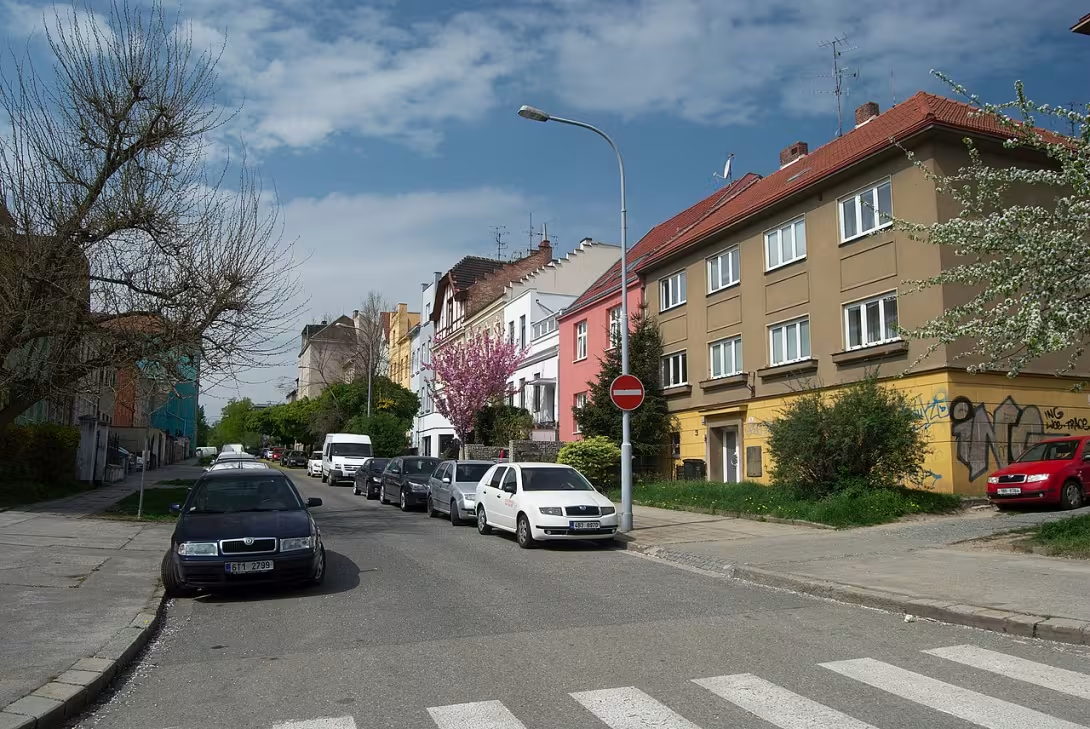

The historical view on the left is a visualisation generated by artificial intelligence and serves as inspiration.
Historical Milestones
- the second half of the 19th century
- The period of popular architecture that the granite represents.
- 1900
- Building a brick stone building granary in the village Blatnica.
- 20th century
- Use of granite to store cereals within the local economy.
- present
- Registration of the object as a national cultural monument under number ÚZPF 11737.
Interesting facts
The granite is a national cultural monument of Slovakia. - It is located in the village Blatnica in the Žilina region. - It belongs to the second half of the 19th century and was built in the early 20th century. - It is considered an important representative of folk architecture. - It forms a monument area with the Monument Office of the Slovak Republic under number ÚZPF 11737.
Guide
Show guide text
The text was prepared by artificial intelligence and has not been editorially reviewed. It may contain inaccuracies.
Welcome to Blatnica. You stand in a place where time seems a little slower and where every wall, even when silent, tells the story of surviving generations. In front of you is a granary, a building that at first glance can act as a quiet, insignificant member of the village, but in fact represents one of the most important pillars of the country's historical life. Look at this construction and try to imagine the strength it had at a time when its function was irreplaceable for local residents. It is not just an inactive mass, it is a symbol of security, stability and endurance.
If you look at this granary, you may think that its presence in this small village is natural, as if it has always stood there. And although the history has not provided us with accurate data on the particular century in which it was built, its existence here is clear proof of something great. The granaries in our lands were not mere warehouses. At a time when people's livelihood depended directly on their crops, each granite served as a stronghold for the cornerstone of life - grain. It was an archive of the village's power, a place that had to resist moisture, rodents and adverse circumstances to ensure that in times of hunger, the community would have something to eat. This building is therefore a witness to man's struggles with nature and its constant efforts to secure the future.
Now see the architecture in front of you. Although we do not know the name of the architect who designed this construction, his hands and his knowledge of materials and construction are felt in every detail. Look at her face, the way the building fits into Blatnice. Perceive the strength and stability that this structure radiates. Although we have unknown precise technical parameters, you can see how the building is designed to be functional and durable. Look at its surface, at the texture of the materials that make up its walls. Every inequality, every shade acts as a trace of time. See how light and shadow work with its form, whether the day is bright or clouds are drawn above the sky. This architecture is not about unnecessary ornament, but about pure, sincere functionality, which is typical for historical buildings aimed at protecting precious resources.
When we talk about the people involved in this place, we come across one of the most interesting pages of history. There were no kings or known generals working in this granary. Her story consisted of anonymous heroes - farmers, farmers and families from Blatnica. These are people whose names you may not read in the textbooks of history, but without whom this country would not exist. They were those who went out in the morning hours into the fields, those who watched the sky and waited for the rain, and those who, with great care and respect, brought their yield here. This granary was both a place of relief and a place of great responsibility. Every spindle of grain that was ever stored here represented months of work and sweat. Now, when you're looking at this building, try to imagine those constantly moving characters, those voices, and the sense of collective effort that this place has ever fulfilled.
And that's where one of the greatest mysteries of this place lies. Although we are right in front of him, many questions remain unanswered. Who exactly was the man who decided that right here, in this location, this granite would stand? When exactly did her first stone fit into the ground? What have these walls seen over the centuries before us? This uncertainty in chronology and unknownness of the names of the creators gives the construction a special, even mystical charm. The granite becomes a place where the line between what we know and what we can imagine is beginning to blur. It's a challenge to your imagination. Each of us can in a spirit complement those missing parts of the story according to how they perceive the atmosphere of this place.
But don't let yourself stop at just this one look. The mudguard is full of other hidden treasures and historical stems that await your discovery. Get carried away by the atmosphere of this village, feel its peace and try to have a deeper understanding of the whole region, which is so rich in traditions and historical tracks. This granite is just one of the many points that make up the mosaic of our common past.
Thank you for devoting time to this visit and for trying to survive a moment together in the presence of this historical monument. Pray on, discover Blatnica and let yourself be surprised by what this region offers you on the next journey. We wish you a pleasant and inspiring rest of your day.
Tips for visitors
The best time to visit is early morning or later afternoon, when natural light best highlights the architecture of the granary. We recommend shoes suitable for terrain and plenty of drinking water. When shooting, focus on the texture of the materials and detailed elements of the building that are best excel in soft light. For families with children the visit is suitable as a short educational walk around the village.
Frequently asked questions
Can the monument be visited?
This is a residential or farm building, not a museum with opening hours. Please view it from public space and respect the owners' privacy. We have no information about access to the interior.
Where is the monument?
Location: Blatnica, Žilinský kraj. The map on this page shows the exact spot.
Why is the monument protected?
It is listed in the Central List of the Monuments Fund of the Slovak Republic as a national cultural monument (ÚZPF no. 316-11737).
For children
Imagine you're teleporting to the past right now. You won't hit any lightning or anything magical, just close your eyes and imagine it. 126 years ago, in 1900, the world looked quite different than today. There were no computers, televisions, or Internet in Blatnica. Instead, you'd hear just rhythmic hoofing horses, smearing wooden cars, and calling people away. Just then, at that time, this building - a granite - was formed.
Thematic route
Thematic tour route from the village Blatnica
1. Cheese
Type: Historical building
Why it is worth a visit: The cottage in the village Blatnica is a historic building.
2. St John the Baptist's Church
Type: Religious Object
Why it is worth visiting: The church has historical architecture and interior.
3. Town chat room
Type: Cultural object
Why it is worth visiting: Literature and historical documents of the village are available in the reading room.
4. City Square
Type: Public space
Why it is worth visiting: Public events and events are held in the square.
5. Park at the granary
Type: Green space
Why it is worth visiting: Park is a place to relax or a picnic.
The route includes historical and cultural places in the village Blatnica.
Seasonal recommendations
In spring, the granite in Blatnica comes to life along with the surrounding nature. The flowering vegetation around the building creates a fresh atmosphere. Fine spring light is suitable for photography the details of architecture. We recommend layered clothing because the weather in Žilina region is unpredictable. Thanks to the lower visitors you can observe the monument in peace.
Summer months bring the granary intense green and sunny days. Thanks to high temperatures, the surroundings of the building are very sunny. We recommend that you visit early in the morning when the air is fresh and you avoid the main summer season. Do not forget to protect from the sun, cap and enough fluids.
Autumn visit to the granary is colorful. Lists nearby The mudguards acquire golden and brown shades that, along with the morning fog, create a specific environment. Deep and soft light gives the building a warm look. We recommend comfortable shoes and warmer clothing, as afternoon cold days can be unpleasant.
In winter the granite is in silence, especially if the surrounding area is covered with snow. The atmosphere is moderate, short days bring fast sunsets and greyer light. It is essential to carry winter clothes, hats and gloves.
Visualisations and artistic views

The visualisations are generated by artificial intelligence and serve as inspiration.
Visitor Tips
No tips yet. Be the first!
Log in and add your tip.
More monuments – Blatnica
Show all in the town

Visitor photos
No photos yet. Be the first to add a photo from your visit!
Log in and add your photo or leave a rating.
You get more points for a visit verified in the app — we can tell from the GPS that you are there.
Reviews and comments