








socha sv.Floriána Statue
The statue of St. Florian, located in the village of Maňa in the Nitra region, is a national cultural monument of Slovakia. This object, registered under the number ÚZPF 234-378, was created in the early 19th century, namely in 1800. The statue is an example of early classicism, which characterized architectural and artistic creation of the time.
The site of the monument is located from one object: the statue of St. This first memorial is a significant part of the historic heritage and symbol of the public architecture of the 2nd half of the 18th century.
The statue of St. Florian is located at Veľká Maňa in the village of Maňa, Nitra region. It is protected as a national cultural monument and is located in the area, which is under the protection of the Monument Office of the Slovak Republic.
The statue of St. Florian is located in the village of Maňa, Nitra region. It is an interesting example of early classicism and symbol of public architecture 2nd half of the 18th century. This memorial building is an important part of the historic heritage and an interesting goal for visitors who will participate in tourist activities in the region.
Tehdy a dnes
Drag the slider and compare how the monument might have looked when it was built with the view today.
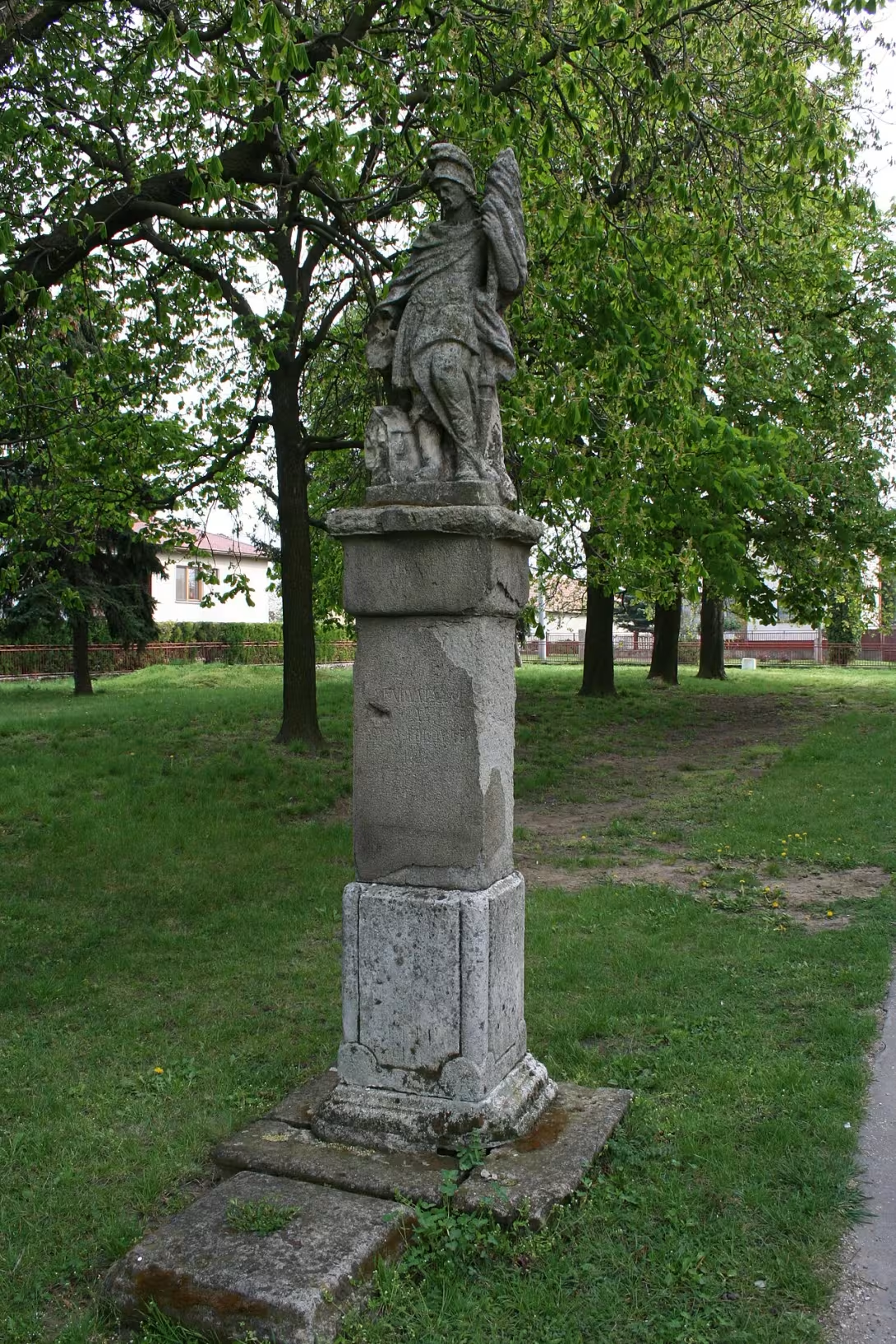
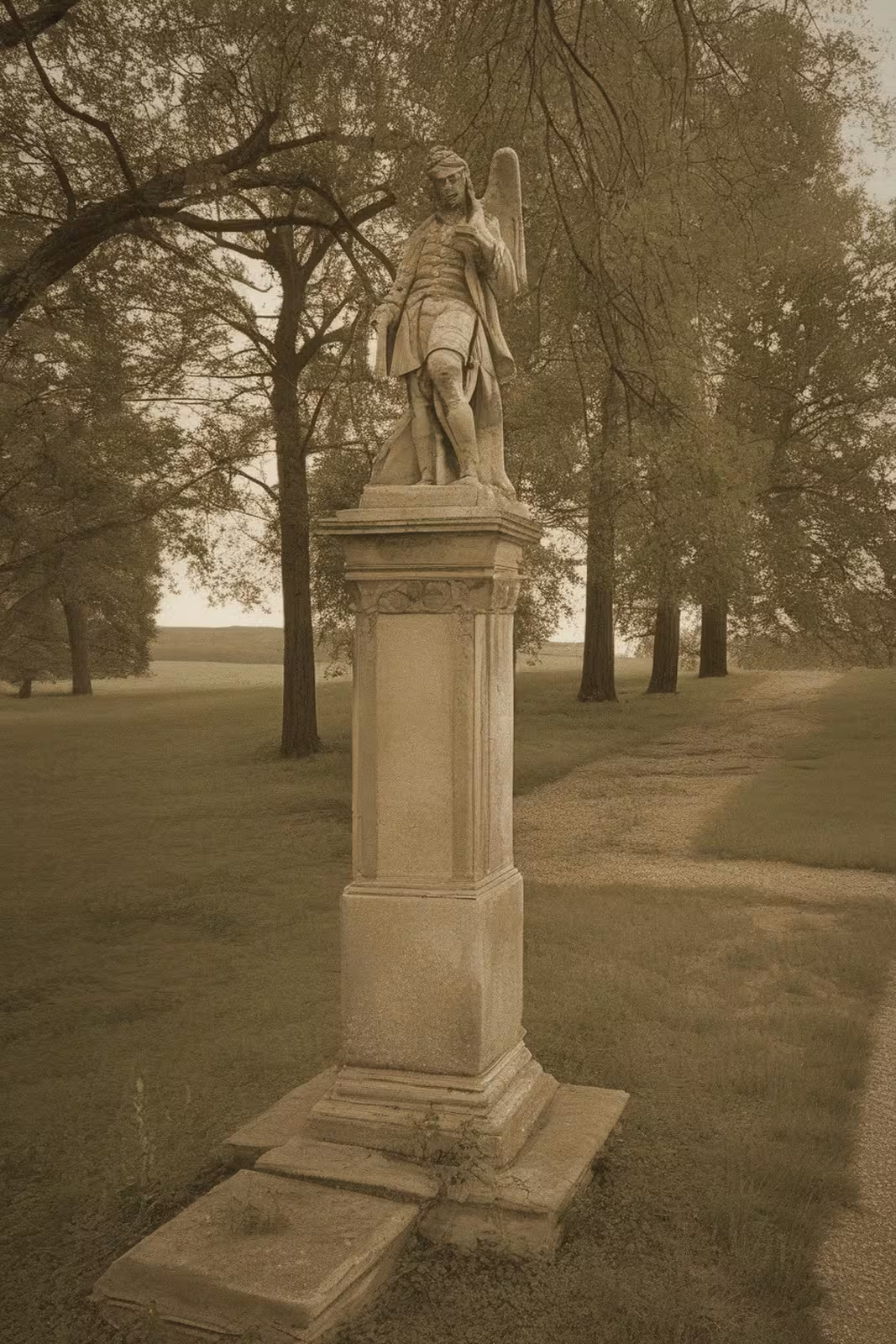
The historical view on the left is a visualisation generated by artificial intelligence and serves as inspiration.
Historical Milestones
- 1750
- Start of public architecture 2nd half 18th century in the region
- 1800
- St. Florian's statue in Mania
Interesting facts
- St. Florida statue is a national cultural monument of Slovakia. - This object was created in the early 19th century, namely in 1800. - The statue is an example of early classicism. - It is a symbol of the public architecture of the 2nd half of the 18th century. - The statue of St. Florian is located at Veľká Maňa in the village of Maňa, Nitra region.
Guide
Show guide text
The text was prepared by artificial intelligence and has not been editorially reviewed. It may contain inaccuracies.
Welcome to the village of Maňa. You just stopped at one of the quiet, but irreplaceable points of this location. There is a statue of St. Florian before your eyes. He acts as a silent guard who has been in this place for centuries and has been watching the daily life of the village. The first impression from this place can be calm, almost meditative. The statue stands here as a fixed point in a time that links the past with the present and reminds us that even the smallest monuments bear the weight of history.
Although at first glance there may seem to be only one statue in the country, its presence is profound. If you now look at this monument, you may be surprised at the fact that history has not kept any accurate records of its exact origin, of when it was created, or of who its creator was. The unknown name of an architect and the exact century in which this piece of art came into being. However, this ignorance does not mean that the name of this monument is irrelevant. On the contrary, it is this anonymity that gives the place special charm. It is not just the work of a particular artist, it is an expression of faith and the need for protection that generations of people living in this region have not been carrying.
At this moment, I ask you to pay attention to the very presence of this statue in space. Note how the character of St. Florian is involved in the environment of the land of Manan. Look at her silhouette and how her attitude communicates with her surroundings. Even if we do not know the precise architectural style, you can perceive the desire to preserve the dignity and protective character that this character must emit. Feel the atmosphere that creates this place. Watch how light changes depending on the time of day and how it is reflected on the surface of the statue, thus changing its expression. Perhaps, in its silence, you feel connected to the people who stood before you and in a similar moment sought security and peace in this figure.
To better understand why this statue is here and why it is such an important symbol for the people of Nitra region, we must return to the very identity of Saint Florian. Who was this man, and why did he become such an iconic guardian? According to tradition, St. Florian was a Roman military commander who later accepted the Christian faith. His story is inextricably linked to the element that was for historical settlements such as Manya, the greatest enemy - with fire. The legend speaks of how Florian saved the entire city house from a devastating shroud of one moment, making it a patron of all those who fear fire.
At a time when these statues were founded in our villages, fire was a real and constant threat. The wooden houses, the open queens, and the lack of modern technology meant that a small sparkle could change the life of the entire community forever. That's why Saint Florian became such a powerful symbol. When people looked at its form, they saw not only a work of art but a foundation, protection, and hope. So this statue you have before you is more than just decoration. It's a monumental tribute to human efforts for safety and stability.
Sometimes one can think about what remains in us when the names of the creators disappear. There is a certain puzzle that this monument presents before us. Who was the man who decided it was in this location that this statue would stand? Who put their energy and effort into it? Even if we don't know his name, his legacy lives in every view he misses on this statue. This anonymity makes us more listeners than textbook readers. Instead of looking for facts, this memory invites us to seek feelings and to understand the spiritual significance of the place.
See this puzzle as an invitation to deeper research. Perhaps it is in the fact that not everything is clearly named and dated in our world that its true beauty lies. This statue in Mania witnesss a time that doesn't know names but knows the present. He is a silent friend of history who teaches us that important things are not always those that are written in books, but those that inspire respect and wonder.
Now that you have adopted this symbol of the place, I suggest you continue your search. Mania and its surroundings have many other stories waiting to be revealed. Let yourself drift along with the rhythm of this country and look for other traces of past that are hidden in the silence of the local roads. Thank you for spending this moment with us in remembering St. Florian. We wish you a pleasant and inspiring rest of your journey.
Tips for visitors
The best time to visit is in the autumn months when the country around Mano is the most beautiful and temperatures are pleasant. This period also offers good conditions for photographing the statue of Saint Florian.
The best option is to reach the nearest trading centre or school in Mania and then continue with the boobs if available.
When visiting the statue of St. Florian, we recommend getting good shoes for walking the lawn and taking protection against sunlight because it can be very bright. Photos are also recommended to get a high-quality camera or smartphone with a good lens for capturing details of the statue.
Photograph the statue of St. Florian in the morning or evening when the sunlight is soft. The best place for photos is from the perspective of the northern side, where the statue is reflected in the near stream.
In the vicinity of Maňa you can visit the historic church, which is just a few minutes walk. It is an interesting place for families with children, as there are toy parks and rest areas nearby.
Frequently asked questions
Can the monument be visited?
This is a structure in a public space that can usually be seen from outside free of charge. We have not verified that this particular one is freely accessible.
Where is the monument?
Location: Veľká Maňa, Maňa, Nitriansky kraj. The map on this page shows the exact spot.
Why is the monument protected?
It is listed in the Central List of the Monuments Fund of the Slovak Republic as a national cultural monument (ÚZPF no. 234-378).
For children
Hello, little adventurers! Today we will embark on an extraordinary road that will take us to the village of Maňa in the Nitra region. There stands a very old and honest statue - that is the statue of St. Florian! In order to be well informed about him, we must return roughly 226 years ago. So let's enjoy this journey in time!
Thematic route
Route: Cultural and historical centre of the village of Maňa
1. St. Florida's Statue Type: Monument / Statue Why visit: This statue symbolizes fire protection, which is important in villages with traditional architecture. Its location reflects the historical centre of the village and serves as an ideal start of the tour.
2. Central part of the municipality of Maňa Type: Urban zone / Public space Why visit: The surroundings of the statue are typical Slovak municipal square or the main street, where the elements of the local building style are preserved. A walk in this area allows you to observe the authentic atmosphere of rural life and architectural details of houses.
3. Surroundings of the statue and local greenery Type: Recreational zone / Parking treatment Why visit: The immediate environment around the statue serves as a place of rest and social interaction of residents. It offers an opportunity for short rest and photography in a quiet environment that complements the historical importance of the statue.
This route focuses on exploring the main monument and its direct surroundings. It is suitable for visitors who want to understand the local context and atmosphere of the village of Maňa without the need for longer walks outside the core.
Seasonal recommendations
Jaro: St. Florian's Statue in Mano is bought in spring with greenery. This time of the year comes with a warm sun dazzling atmosphere. Visitors are still few, so you can enjoy a quiet moment and look at the statue without big couples. It is recommended to wear lightweight but protective clothing against UV radiation and sunglasses. The best time to visit is the morningier day. Leto: In summer, Mania becomes the destination of many tourists who want to enjoy long sunny days. The statue of St. Florian is dazzled by the sun. In summer, larger crowd flows are expected, especially in the main summer season. It is recommended to visit the monument earlier in the morning or evening. It is important to wear soft clothing, sunglasses, cap and sufficient drinking water. Podzim: The sub-winter period brings the statue of St. Florian into the lipstick or yellowing cuttings of trees. The atmosphere is calm and quiet. In this period crowd flows are smaller than in flight. Temperatures are more favourable, so it is advisable to wear a little warmer clothes. The best time to visit is the morninger day or sunrise. Winter: In winter, the statue of St. Florida is surrounded by a dream and a frosty atmosphere. This time of year is ideal for photographers and folks looking for peaceful moments in a small village. The monument can be surrounded by dreams, so it is important to wear warm clothes, including a cap and a glove. The winter day ends early, so you should visit the statue in the morning afternoon.
Visualisations and artistic views

The visualisations are generated by artificial intelligence and serve as inspiration.
Visitor Tips
No tips yet. Be the first!
Log in and add your tip.
More monuments – Maňa
Show all in the town



Visitor photos
No photos yet. Be the first to add a photo from your visit!
Log in and add your photo or leave a rating.
You get more points for a visit verified in the app — we can tell from the GPS that you are there.
Reviews and comments