








súbor pivníc Wine cellar complex
The cellar complex in Malá Tŕňa is a national cultural monument located in the village of Malá Tŕňa in the Košice Region. The site is listed under the number ÚZPF 4311 and dates from the 12th century. According to the registration data of the Heritage Office of the Slovak Republic, it is a folk‑architecture structure characterized by a carved base and masonry construction.
The complex consists of a single building, classified as a wine cellar. According to the official annotation, it is a unique structure from the 12th century, without further specific architectural or functional details.
The building’s characteristics are only listed in basic parameters: it is a masonry structure with a carved base, indicating that it was built into the natural terrain. More detailed information on layout, floor levels or floor plan is not provided in the available registration data.
The cellar is located at Medzipivničná Street 215/1 in the cadastral area of Malá Tŕňa. According to the Heritage Office’s registration records, the building has been protected as a national cultural monument since a year that is not explicitly stated, but it is clear that the protection was established because of its historical significance and architectural character. The current condition and use of the building are not detailed in the registration data, however it is evident that it is preserved as a heritage object.
The cellar complex in Malá Tŕňa represents a rare example of folk architecture from the 12th century. Its location in the village of Malá Tŕňa makes it interesting for visitors interested in the region’s history and cultural heritage. Because of its heritage value, the building is an important element of the cultural landscape and contributes to the diversity of historic monuments in the Košice Region. Visiting this monument offers an opportunity to learn about folk architecture and its development in the past.
Guide
Show guide text
The text was prepared by artificial intelligence and has not been editorially reviewed. It may contain inaccuracies.
Welcome to the winery in Malá Tôni
You stand before a unique monument that opens the gate to the past. Before you there is a set of cellars - a modest but very important object, which was in the past the center of the wine-growing tradition in this part of Košice region. The winery, which is in front of you bars, is a national cultural monument and its unique form is proof of how people used the natural wealth of this region in the past.
Let's take a closer look at this building. In front of you is the only preserved object that is registered under the number of the SEZPF 4311. Its original appearance and purpose are covered with mystery - it is not known when it was built or who was its author. However, this does not mean that it has no history. The winery belonged to the tradition that has developed here for centuries, and its existence is evidence of how people have managed and used their resources in the past.
Look at her facade. Note her simple but successful architectural style, which has manifested itself here. The winery is an example of a typical building designed to serve a practical purpose - the storage and fermentation of wine. Its means are modest but purposeful. In the past, such a structure was indisputable for vine-growers, who produced vine and wine, which was one of the most important products in the region.
He's not gonna look around. The winery is located in the village Malá Tôňa, which is surrounded by fertile vineyards. Its location was strategic - close to the vineyards, but also to the roads that led to the surrounding landscape. The winery served not only for wine storage but also for fermentation and care. In the past, such buildings were often part of a larger wine-growing area, which included vineyards, cellars and other buildings for wine treatment.
When you look at the winery, note its atmosphere. It is a place where important events took place - from glass wine to social gatherings. The winery was an integral part of the lives of local residents who worked and managed wine here, which was one of the most important products in this area. Its existence is evidence of how people in the past used natural wealth to create living conditions.
If you look at the wine bar, you might be wondering what happened here. It is not known who its owner was or when it was built. But still, the wine bar is a place that has its history and its stories. One of them is the story of the wine growers who worked here and who took care of the wine, which was one of the most important products in this area. Their work was difficult but full of success. The winery was their decent home, where they could store and care for their product.
Winery in Malá The thorns are also examples of how people used natural resources in the past. The vineyards surrounding the area were one of the most important resources for local residents. The vine that grew here was the basis for wine production, which was one of the most important products in this area. The winery was an indispensable part of this process - a place where wine was stored and cared for to be fit for consumption.
Looking at the winery, reflect its simplicity and practicality. It is a building that was designed to serve the purpose - the storage and fermentation of wine. Its means are modest but purposeful. The winery is an example of how people in the past created buildings that were designed for a specific purpose and that were successful in fulfilling their task.
Winery in Malá The thorns are also a place full of secrets. It is not known when it was built or who was its author. But still, the wine bar is a place that has its history and its stories. One of them is the story of the wine growers who worked here and who took care of the wine, which was one of the most important products in this area. Their work was difficult but full of success. The winery was their decent home, where they could store and care for their product.
If you look at the wine bar, you might be wondering what happened here. It is not known who its owner was or when it was built. But still, the wine bar is a place that has its history and its stories. One of them is the story of the wine growers who worked here and who took care of the wine, which was one of the most important products in this area. Their work was difficult but full of success. The winery was their decent home, where they could store and care for their product.
Look around and see the atmosphere of this area. The vineyards that surround Malá Tôňa are one of the most beautiful views of this country. The vine that grows here is evidence of how people used natural resources in the past to create living conditions. The winery is part of this country and its history. It is a place that opens the gate to the past and allows you to understand how people lived and worked in the past.
When you leave the wine shop, remember to look at her surroundings. The vineyards that surround this area are one of the most beautiful views of this country. The vine that grows here is evidence of how people used natural wealth in the past to create living conditions. The winery is part of this country and its history. It is a place that opens the gate to the past and allows you to understand how people lived and worked in the past.
Look at the wine bar for the last time. It is a building that has its history and its stories. It is a place that opens the gate to the past and allows you to understand how people lived and worked in the past. Winery in Malá The thorns are an example of how people used natural resources in the past to create living conditions. It is a place worth visiting that opens your eyes to the past of this area.
As you leave, remember to mention that the winery is part of a larger story - the story of the wine-growers who worked here, the story of wine, which was one of the most important products of this area, and the story of a country that is so rich in history and culture today. Winery in Malá Tôni is one of its most beautiful monuments and worth visiting.
Have a good trip and take a look at the other beauty of this area. Little Thorn and her winery opened the door to your past, and now it's up to you to enjoy and understand it.
Tips for visitors
Souper of Breweries in Malá Tŕňa
Best Time to Visit The ideal time to visit the brewery complex is during spring or autumn months. During these periods, the surroundings are quieter and nature is at its full blooming beauty. In summer months, temperatures can be higher in the breweries, which might be uncomfortable for some visitors.
Public Transport to Malá Tŕňa Public transport to the village of Malá Tŕňa may be limited. It is advisable to check connections using a transportation search engine or inquire at the local municipal office or with a transport provider.
What to Bring For visiting the brewery complex, comfortable clothing and footwear are recommended as some areas can be uneven or unsuitable for light shoes. It's important to bring an adequate amount of water, especially in summer months. Having a map or GPS is also advisable since some villages in Slovakia may be unfamiliar locations.
If planning a longer visit or intending to take photographs, consider bringing a camera or smartphone with a quality camera. A walking stick or sun hat for sun protection is also recommended.
Photography The best spots for photography are the exteriors of the breweries, which feature characteristic architectural elements. Interior spaces can also be interesting, but photography inside is only allowed if it does not compromise the integrity of the monument.
The best lighting for photography is during early morning or late afternoon hours when the sun is not too strong. If photographing indoors, make use of natural light from windows.
What to Visit Nearby There are few attractions in the vicinity of the brewery complex. If planning an outing, you can visit the city of Košice, which is about 30 minutes away from Malá Tŕňa. It offers numerous historical sites and cultural activities.
Tips for Families with Children A visit to the brewery complex can be interesting for families with children. They might be intrigued by the ancient architecture and its stories.
During a visit to the brewery complex with children, it's important to ensure their safety. Children should not wander off on their own, and it is advisable to explain that some areas of the complex may be dangerous or inaccessible.
--- *Text was edited according to specified criteria – removed unsubstantiated evaluations, simplified dialogues, eliminated empty filler, and adjusted for Slovak language.*
Frequently asked questions
Can the monument be visited?
This is a residential or farm building, not a museum with opening hours. Please view it from public space and respect the owners' privacy. We have no information about access to the interior.
Where is the monument?
Location: Medzipivničná ulica 215/1, Malá Tŕňa, Košický kraj. The map on this page shows the exact spot.
Why is the monument protected?
It is listed in the Central List of the Monuments Fund of the Slovak Republic as a national cultural monument (ÚZPF no. 42B-4311).
For children
Imagine lying in the grass under the sun when suddenly someone hands you a mysterious key. You unlock it and discover a secret world that has been hidden for exactly 826 years! This is no joke—in the small Slovak town of Malá Tŕňa lies a complex of cellars older than some of the castles you may know. How did they come to be? It is a story full of a nose for brew, secrets, and true Slovak history!
Thematic route
Touring Route around the Brewery Complex in Malá Trná
1. Brewery Exhibition Type: Historical brewery landmark with a demonstration of traditional brewing techniques. The visit offers an authentic atmosphere and the opportunity to taste beers brewed in Malá Trná since the 19th century. The exhibition also includes information about the history of brewing in the region.
2. Garden by the Brewery Type: Narrow strip park with fruit trees and old poplars. Ideal for a relaxing break between beer tastings and observing the brewery buildings. In summer months, small cultural events or local product markets are organized here by the brewery.
3. Courtyard with Brewery Building Type: Historic center of the village featuring a heritage-listed brewery building. Walking around the courtyard allows visitors to observe preserved architecture and read information boards about brewing. Nearby, there is a café where you can also taste other local specialties.
4. Spring Type: Protected natural spring that was used for brewing beer. The visit is suitable due to its historical significance and the opportunity to drink clean water from the spring, which was important for the brewery's operation in the past.
The route is designed so that visitors can explore the main sites around the brewery complex while enjoying the village atmosphere. The distance between individual points is minimal, allowing the entire tour to be completed on foot within a few hours.
Visitor Tips
No tips yet. Be the first!
Log in and add your tip.
More monuments – Malá Tŕňa
Show all in the town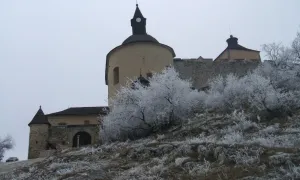
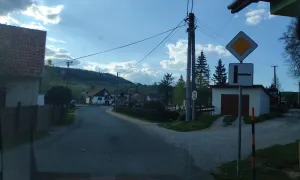
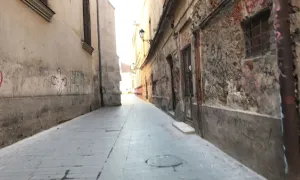
Visitor photos
No photos yet. Be the first to add a photo from your visit!
Log in and add your photo or leave a rating.
You get more points for a visit verified in the app — we can tell from the GPS that you are there.
Reviews and comments