








sýpka Granary
The cottage in the village Blatnica in the Žilina region is a national cultural monument of Slovakia. The building with registration number ÚZPF 316-11738 was built in 1900 and represents the style of folk construction from the 19th century.
The area contains brick stone construction, typical for this period and location. The cheese has a simple shape adapted to the storage functions.
Details of the building plan, floor plan, floor plan or specific material are unknown.
The granite is located in the village Blatnica. The date of declaration as a national cultural monument, current state and current use are not mentioned in the available resources.
The building illustrates the techniques and materials used in the 19th century at the construction of storage sites.
Tehdy a dnes
Drag the slider and compare how the monument might have looked when it was built with the view today.
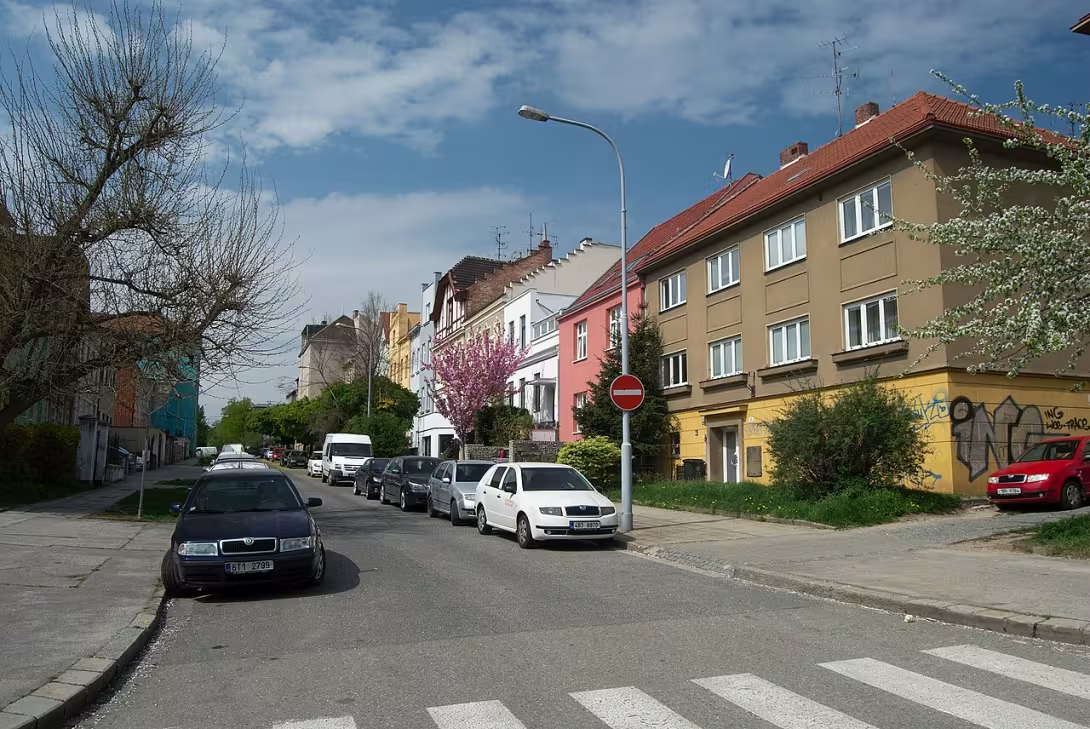
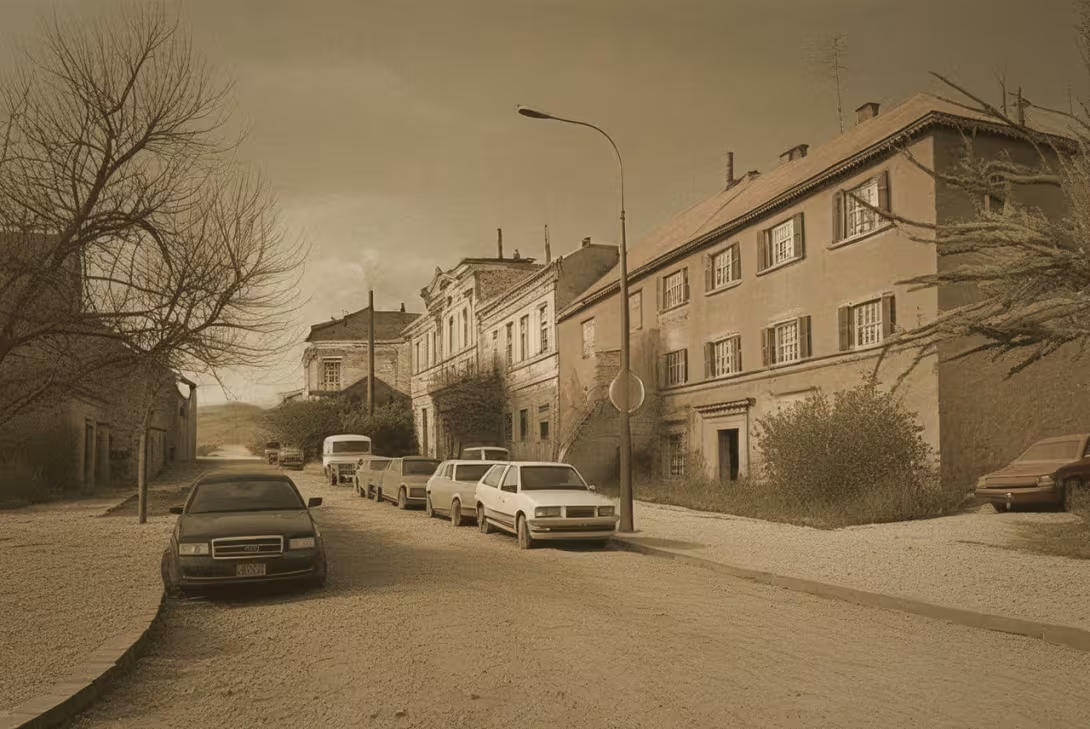
The historical view on the left is a visualisation generated by artificial intelligence and serves as inspiration.
Interesting facts
The granite is a national cultural monument of Slovakia. - The building was built in 1900 and represents the style of folk construction from the 19th century. - The cheese has a simple shape adapted to the storage functions. - The area contains brick stone construction, typical for this period and location. - The building illustrates the techniques and materials used in the 19th century at the construction of storage sites.
Guide
Show guide text
The text was prepared by artificial intelligence and has not been editorially reviewed. It may contain inaccuracies.
Welcome to Blatnica. You stand right in front of a building that may not seem like a magnificent palace or monumental castle, but its presence here is irreplaceable. It's a granite. Before you move on, stop for a moment and just feel the atmosphere of this place. Look at this building in front of you and try to imagine the strength and stability it carries. It is a building that was created with one clear objective - to protect the most important thing that people had at the time. Feel her face, her immobility and how it fits into the environment of this small village in Žilina region. Although we see only this historical monument in front of us today, we must realize that the granite has never been a mere building. In the past, it was the heart of every economy and the key to the survival of the whole community. At a time when there were no modern food supplies or supermarkets, the granite represented a safe. It was where the food security of the village was kept. Every grain of grain stored here was the result of months of hard work on the fields, sweat, and the efforts of entire families. When the granite filled, it meant that people would not starve during the winter. Although we do not know today the exact year when this particular building was built, nor do we know who its architect was, we can safely say that its creation was necessary for the stability of local life. This building has witnessed a long time ago when man was closely associated with the rhythm of nature and the cycle of extraction and crop harvesting. Now that you're so close, pay attention to her architecture. When you look at her, notice her massiveness. The granaries must be buildings that withstand moisture, temperature fluctuations and especially time. Look at the texture of its walls and how the whole building is balanced. Although we do not know the specific materials that have been used in its construction, you can see the functional beauty of the architecture designed to protect content. Everything here is designed to be practical, solid and reliable. Feel this simplicity, which is actually the highlight of functional design. Look at its proportions - there are no unnecessary ornaments to hinder its purpose. Every detail, every edge and every angle of this structure serves only to stay inside, which was the most valuable. Looking at this building, you might wonder what faces have surrounded it over the centuries. Unknown names of the particular persons who built it, or names of the nobles or rich farmers who owned it. But thousands of unfamiliar stories live in this building. Imagine those hands that didn't carry your heavy grain bags. Imagine people who were afraid to watch the weather in their hearts to keep their supplies in this granary safe. Every generation in Blatnica had some connection with this place. It was a building that linked field work to home safety. Although the rulers changed, so did the people, but the granite remained as a mute friend who did not know but provided protection. It is in this unknownness that her greatest mystery lies. We are often searched for exact dates, names, and documents, but this granite does not give them to us. And that's what's fascinating. Who designed it? Why did he choose this place? What secrets does this building carry in its walls? Maybe there weren't just grain, maybe there was something more that was lost in the memory of generations. This uncertainty makes us think deeper. The granite reminds us that history is not only about the great kings and war battles, but also about the quiet, unknown processes that shaped the daily life of the inhabitants of Blatnice. It is a memory of anonymous people whose lives have been defined by work and the pursuit of security. Now that you've taken a close look around you again. The mudguard has its own pace, its peace and its history, which you can perceive in every step. This granite is just one of the points in this history, but it is a point that reminds you of the power of tradition and the importance of fundamental values. Let's move on now. We invite you to continue your tour and discover other attractions that this village offers you. Do not forget to stop and perceive the environment in which you are moving. Thank you for spending time with us in this historical monument. We wish you a pleasant walk and a beautiful discovery of Blatnice. We'll say goodbye, but we believe that the atmosphere of this place will remain in you for a long time.
Tips for visitors
Visit Time: Visit the granary during spring or autumn. What to take with you: Comfortable footwear and water are recommended. Photography: The architecture is captured in natural daylight.
Frequently asked questions
Can the monument be visited?
This is a residential or farm building, not a museum with opening hours. Please view it from public space and respect the owners' privacy. We have no information about access to the interior.
Where is the monument?
Location: Blatnica, Žilinský kraj. The map on this page shows the exact spot.
Why is the monument protected?
It is listed in the Central List of the Monuments Fund of the Slovak Republic as a national cultural monument (ÚZPF no. 316-11738).
For children
Close your eyes and imagine pressing a secret button on a time machine. Boom! You'll fly back to the past in exactly 126 years. Colors change around you, cars disappear and you see wooden horses instead. Welcome to Blatnica, where something very important is happening.
Thematic route
1. The exterior of the granary - a traditional building in the village Blatnica. 2. Interior and exposition - exhibition space presenting the method of storage of grain and function of building. 3. The immediate area - surroundings of the monument.
Seasonal recommendations
Spring: In the spring there is a granary in Blatnica surrounded by flowers and green nature. The sun's rays illuminate its gray walls. There are fewer people on the tourist route at this time. We recommend wearing clothes suitable for warm days and colder evenings. Visit the monument in the morning or afternoon when the sun is higher.
Summer: During the summer season, the cottage in Blatnica attracts a large number of visitors. Sunny days illuminate the walls of the monuments and the surrounding nature is in full bloom. Due to the great attendance, we recommend arriving early in the morning or evening when there are fewer people. Wear clothes suitable for sunny days and UV protection.
Fall: In autumn, the walls of the granary in Blatnica are surrounded by fallen leaves. Sundays are shorter and less frequent. There are fewer people on the tourist route at this time. We recommend wear warm clothes and shoes that protect against moisture. It is advisable to visit the granary in the morning, when it is quietest around.
Winter: In winter, the cottage in Blatnica is covered with snow. The sun's rays illuminate the walls, although the days are shorter and colder. Due to winter conditions, the opening period is limited and the attendance is lower. We recommend wearing warm, multilayer clothing, including hats and gloves. Visit the monument in no rainy weather.
Visualisations and artistic views

The visualisations are generated by artificial intelligence and serve as inspiration.
Visitor Tips
No tips yet. Be the first!
Log in and add your tip.
More monuments – Blatnica
Show all in the town


Visitor photos
No photos yet. Be the first to add a photo from your visit!
Log in and add your photo or leave a rating.
You get more points for a visit verified in the app — we can tell from the GPS that you are there.
Reviews and comments