








vodný mlyn Water mill
The water mill in the village of Vyšná Rybnica in Košice Region is a national cultural monument. The building dates from the first half of the 20th century and represents the modern movement.
The heritage site area is registered by the Slovak Heritage Institute under number ÚZPF 10293. The entire complex consists of one object, which is the water mill with internal number 10293/1.
The building's structural characteristics are defined by its masonry construction. According to the official annotation from the Slovak Heritage Institute, it is a building from the early 20th century that falls within the style of the modern movement.
The monument is located in the village of Vyšná Rybnica at address number 120. The object is protected as a national cultural monument.
The water mill in Vyšná Rybnica represents an industrial heritage site from the era of the modern movement. It is an ideal destination for visitors interested in exploring early 20th-century industrial architecture.
Tehdy a dnes
Drag the slider and compare how the monument might have looked when it was built with the view today.
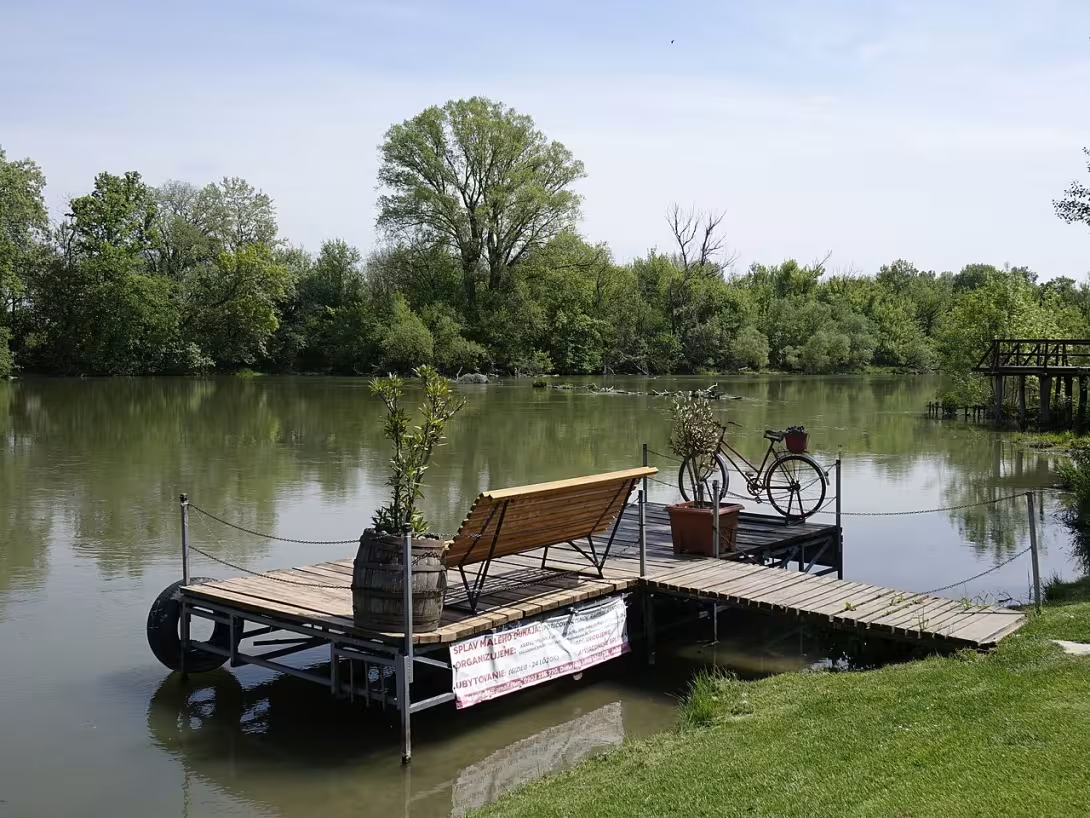

The historical view on the left is a visualisation generated by artificial intelligence and serves as inspiration.
Historical Milestones
- early 20th century
- Construction of a water mill in the village of Vyšná Rybnica.
- first half of the 20th century
- Construction in the Modern Movement style with a masonry structure.
- mid-20th century
- The gradual decline of water mills in the region due to electrification.
- later
- Declared a national cultural monument under number ÚZPF 10293.
Interesting facts
- The water mill in the village of Vyšná Rybnica is a national cultural monument. - The building dates back to the first half of the 20th century and represents the modern movement. - The heritage site is registered by the Slovak Heritage Institute under number ÚZPF 10293, where the water mill has an internal number of 10293/1. - The structural characteristic of the object is defined by its masonry construction. - The monument is located at address number 120 in Vyšná Rybnica.
Guide
Show guide text
The text was prepared by artificial intelligence and has not been editorially reviewed. It may contain inaccuracies.
Welcome to the Vyšná Rybnica site. Before you stands a water mill. Before you continue, stop and listen to the rhythmic sound of the water, which has likely echoed here for hundreds of years. You are standing in a place where natural power meets the human struggle for survival. Feel the humidity in the air and imagine the events that unfolded here before the world began to change as rapidly as it does today.
As you look around, you might wonder who built this mill and when its first stone or wooden beam was laid. Historical records contain no precise data on its origin or the names of its architects. However, this uncertainty is typical for many places in our country, which are defined not by a precise date, but rather by their presence and how they blend into the landscape. The mill is the result of a tradition of utilizing water energy, which was vital for our ancestors. Its existence proves that people in the Košice Region have known how to work with nature's gifts and use them to make life easier since ancient times.
Look at the structure before you. We are not looking for complex architectural styles here, but rather paying attention to how it feels within its environment. Notice how its shapes and materials blend with the surrounding vegetation and how its existence depends on the flow of the water. Feel the solid foundational elements that withstand the contact with water, and the construction that carries the vibrations of labor. The building is part of the flow, not its enemy. This is an architecture of functionality, where every element has a clear purpose. See how the light breaks on the surface of the water and reflects off the building's surfaces. Perceive the harmony between the fluid power of the river and the solid construction of the mill.
When visiting historical monuments, we often ask for the names of kings or nobles. In the case of this mill, such names are unknown. The mill did not belong to the great figures of history, but to people whose names time has forgotten. It belonged to the millers who began their work here every morning, the farmers who brought their grain, and the families who sought a livelihood here. It was a community hub where human destinies intertwined. Although we do not know the names of those who worked here, we can imagine them through their labor and the rhythm you can still feel today. Every movement of the water and vibration of the structure carries the legacy of these people who built the foundation of their lives here.
A mystery remains: why do we have so little information about this place? Why are the names of the architects and the exact century of its creation missing? Is it merely the result of time erasing the traces of human activity, or does this place demand silence? This uncertainty invites one's own imagination. As you stand before the mill, you become part of this mystery. You become a witness to something that cannot be fully explained by history textbooks, but must be felt directly on-site. This anonymity gives the place its character—it is not just an object, but a fragment of the past that compels us to seek more.
We now invite you to continue your discovery. Walk around the area, pay attention to the details of nature, and try to mentally connect the sound of the water with what you have just heard. Vyšná Rybnica has many other stories waiting to be discovered. Thank you for spending time with us and stopping by this mill. We wish you a pleasant journey through the other sites of this landscape. We bid you farewell, but let the feeling of peace and mystery linger within you a little longer.
Tips for visitors
In the early morning or later in the afternoon, natural light provides ideal conditions for observing the details of the water mill. You can reach Vyšná Rybnica by car or public transport; for the latter, we recommend checking current connections on online search engines. Wear footwear suitable for the terrain. For photography, we suggest using a polarizing filter and capturing the texture of the wood during the so-called golden hour. Families with children can learn about old technologies, but we recommend increased supervision near water.
Frequently asked questions
Can the monument be visited?
This is a technical monument. Some are open as exhibitions, others are out of use or on private land. We have not verified whether this one is accessible. According to the heritage register restoration is under way, so access may be restricted.
What are the opening hours and admission?
We have not verified the opening hours or admission. Current information is published by the operator.
Where is the monument?
Location: č. 120, Vyšná Rybnica, Košický kraj. The map on this page shows the exact spot.
Why is the monument protected?
It is listed in the Central List of the Monuments Fund of the Slovak Republic as a national cultural monument (ÚZPF no. 429-10293).
For children
Imagine sitting on an old bench by a quiet stream. The water whispers secrets that have lain hidden here for many years. The place where you are sitting now is not just an ordinary corner of nature. It is the last home of a water mill in the village of Vyšná Rybnica in the Košice Region. This monument was established around the year 2000, which means its history is only as short as your childhood. Nearly half a century is the time during which things happened here that adults might not even believe. What does it actually look like here? Imagine traveling back in time by a few decades.
Thematic route
1. Water Mill (Historic Building) – the mill machinery and its operation. 2. Mill Wheel (Technical Detail) – mechanism driven by a stream of water. 3. Immediate Area of the Mill (Natural-Cultural Space) – surroundings of the building at water level.
Seasonal recommendations
In spring, nature comes to life around the water mill in Vyšná Rybnica. The stream flows more swiftly due to the melting snow, adding dynamism and a fresh atmosphere to the place. It is recommended to wear waterproof footwear, as paths can be muddy after rain. The best time to visit is in the morning when the air is cleanest.
Summer brings lush greenery and bright sunshine that beautifully highlights the details of the historic building. The water in the mill naturally cools the surroundings, which is pleasant during hot days. Since it's peak season, we recommend arriving as early as possible to avoid crowds. Don't forget light clothing and protection against insects.
Autumn is a time for colorful leaves and gentle mists that create a romantic and melancholic mood. The area around the mill transforms into a golden space ideal for photography. Due to fluctuating temperatures, it's advisable to dress in layers. Afternoon hours are best thanks to softer light.
In winter, the water mill exudes peace and majesty, especially when covered with snow. The contrast between the wooden mill and the white landscape creates a unique, almost storybook atmosphere. It is essential to wear very warm clothing and sturdy footwear.
Visualisations and artistic views

The visualisations are generated by artificial intelligence and serve as inspiration.
Visitor Tips
No tips yet. Be the first!
Log in and add your tip.
More monuments – Vyšná Rybnica
Show all in the town
Visitor photos
No photos yet. Be the first to add a photo from your visit!
Log in and add your photo or leave a rating.
You get more points for a visit verified in the app — we can tell from the GPS that you are there.
Reviews and comments