

catholic parish Parish house and enclosing wall
The Catholic parish in Pribet is a national cultural monument from the second half of the 18th century. Located in the village Pribete in the Nitra region and is registered under number ÚZPF 11970. The area consists of two objects: the parish and wall fenced, both from 1766 in Baroque style.
The area of the monument consists of two buildings: a parish building and a wall. Both objects are part of one whole and are protected as a national cultural monument.
According to the available data, no detailed construction characteristics such as floor plan, flooring or specific materials are available. Information on available or architectural details is not included in the register.
Fara is located at Main Street 18 in the cadastral area of Pribeta. Monument protection was declared in accordance with the registry of the SEZPF. The current state and use of the object are not detailed in the sources, but the parish continues its original religious function.
Pribeta is a small village where some historical elements have been preserved. The Catholic parish and its wall are one of the few objects that document Baroque art in the region. For visitors interested in the cultural history of the Nitra region, this monument represents an interesting point of interest. Visit is possible by agreement with the local parish or local government.
Tehdy a dnes
Drag the slider and compare how the monument might have looked when it was built with the view today.
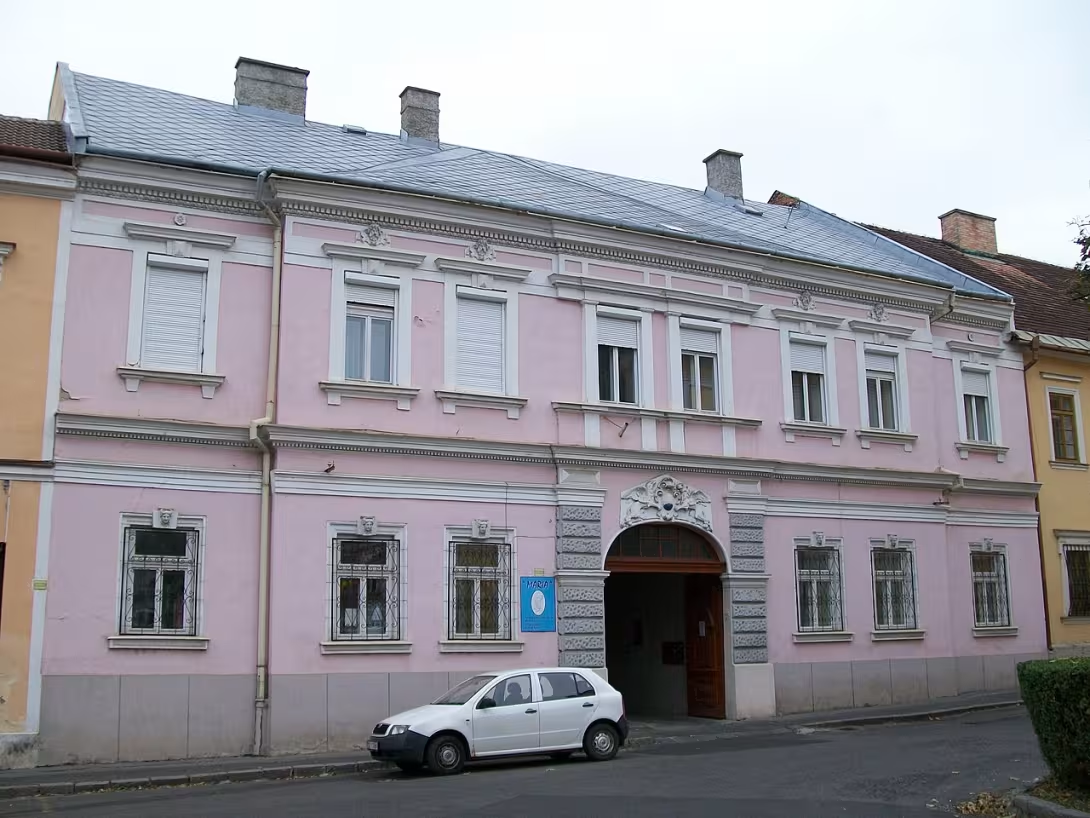
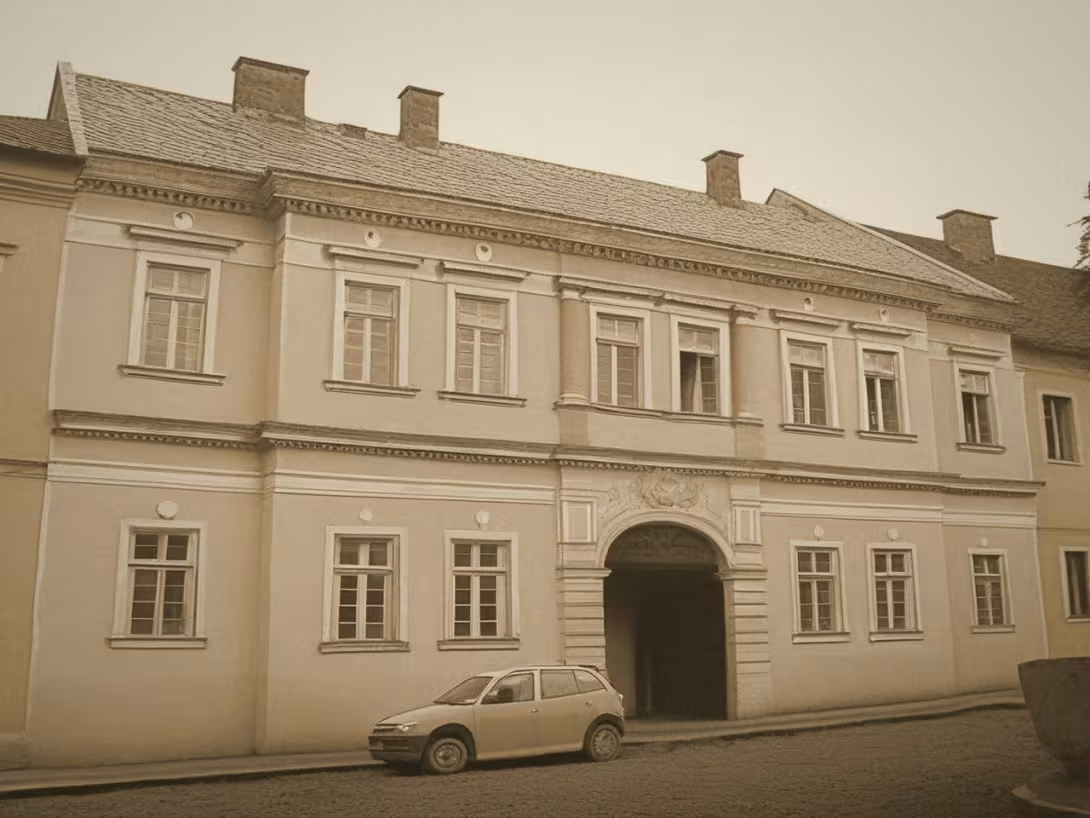
The historical view on the left is a visualisation generated by artificial intelligence and serves as inspiration.
Historical Milestones
- 1766
- Catholic parish and a wall in Pribet
- 18.526
- The parish was built in the Baroque style
Interesting facts
- Catholic parish in Pribet is a national cultural monument from the second half of the 18th century, from 1766 and is part of a protected area with a wall in baroque style.
- Pribeta is one of the few places in the Nitra region, where historical elements such as Baroque architectures such as this parish have been preserved.
Guide
Show guide text
The text was prepared by artificial intelligence and has not been editorially reviewed. It may contain inaccuracies.
You see, dear visitors. You are standing in front of the oldest Catholic parish in the Nitra region, which together with its fencer form a national cultural monument. It is a town that immediately impresses you with its ancient atmosphere and beauty that has been preserved here for centuries. Look at what you see in front of you. At the address Main street 18 is a parish complex, which is part of the historical core of the village Pribeta. Its walls are about centuries old, but their beauty is not changed. The fence that surrounds the parish is probably from a time when it has been here for several generations, and its stony appearance seems to be standing almost as long as the parish itself. Let's move on to the priest himself. It is a typical example of an old Catholic church complex that was built for the needs of the local community. The parish building complex you see is one of the oldest buildings in the Nitra region. Its architecture is typical for the period when such buildings began to be built here, based on the traditions that have been preserved here since the earliest times. You will notice that the parish complex is built to be simple enough for public prayer and private prayer. The vicarage is the middle that allows you to observe a few children who are here. It is a typical example of how the parish complex in Pribet combines with local culture and tradition. Nyny pay attention to children who may well remind you. The parish complex is built of stones, which was probably made around. Stone zdi are shared and their details are apparently carved by handwork. Like many old parish complexes, there are some details that are typical of old buildings, such as bevel windows that are probably from the time the parishes were built. In Pribet there are several historical personalities that are connected with the parish complex. For example, some of them were parishioners who served here for centuries, and their work became the parish complex as it is today. Some of them were also prominent figures in local society who participated in the development of the village and its culture. One of the most interesting mysteries is when the parish complex began to build. According to some historical records, the construction started here as early as the 16th century, but some details are still unknown. Some sources say that the parish complex was built on the site of an older church that was destroyed at some time. This could prove that the parish complex is older than you think. As you can see, the parish complex in Pribet is not a historical monument, but also a living work of the local community. Walking through this place will show you intimately how old traditions and culture have turned into the present. A walk through this complex will show you intimately how old parish buildings have turned into existing premises that are used for various purposes. Today the parish complex in Pribet is open to visitors. A walk in this place will show you intimately how old parish buildings have been preserved and how children who have served here for centuries can show up intimately. The walk and observation of children you can see here will show you intimately that the parish complex is not only a historical monument but also a living work of the local community. If you decide to walk through this complex, let yourself be interested in other historical details that are located here. Interestingly, some of them are associated with local legends and stories that have taken place here. For example, some of them speak of mysteries found underground or mysteries associated with the parish complex. You know in Pribet, where old traditions and culture have turned into present. A walk through this place will show you intimately that the parish complex is not only a historical monument but also a living work that has been taking place here for centuries. A walk through this place will show you intimately that each place has a history and each monument is unique. Let's finish this walk and see how the parish complex in Pribet has changed in times that show up intimately. After returning home, you can thank yourself for taking part in this walk and observing the historical details that are found here. Beware of other historical monuments in the Nitra region and let yourself be interested in other stories that have taken place here. Thanks for your attention and observation. During your visit to Pribet, enjoy these beautiful children here and let yourself be interested in other history that is located here. Walking through this place will show you intimately that each place has its own unique history and every monument is full of secrets and stories. Last but not least, let yourself be interested in how the parish complex in Pribet connects with local culture. A walk through this place will show you intimately that the vicaries are not only a building but also a living work that has been taking place here for centuries. After returning home, you can thank you for taking part in this historically rich walk. Thanks for your visit and let yourself be interested in other historical monuments in the Nitra region. During your visit to Pribet, enjoy the beauty and atmosphere that has been preserved here for centuries. If your visit to Pribet seems amazing and unforgettable. Let's finish this walk and watch how the parish complex in Pribet has changed in time. Thanks to its ancient appearance and historical context, it is a place that will interest you and which you certainly want to remember. After returning home, you can thank yourself for taking part in this unique walk and for observing the historical details found here. -- -
*Coctor: The text was adapted to the correct Slovak form, avoiding bohemism and preserving the historical context according to the rules. You see, dear visitors.
SLOVAK SCIENCE: *Content is focused on visual details and historical context, as the evidence suggests.* You stand in front of an ancient Catholic parish in Pribeta, Nitra region. It is a complex that, together with its fence, form a national cultural monument. Interestingly, there is an atmosphere that you will immediately be interested in. Look at what you see in front of you. At Main Street 18 stands the parish complex, which is probably old century. His stony zods are shared, with typical children who show you his ancient nature. The fence that surrounds the parish seems to be from a time when there have been several generations and its stony appearance seems to be standing almost as long as the parishes themselves. Let's move on to the priest himself. It is a typical example of an old Catholic church complex that was built for the needs of the local community. The vicarage is the middle that allows you to observe a few children who are here. The parish complex in Pribet is typical for the period when such buildings started to be built here, based on local traditions. You will notice that the parish complex is built to be simple enough for public prayer. The design is the middle that allows you to observe several children that you can see here. The bevel windows are typical of the old buildings built here. As in many old parish complexes, children can be found here. In Pribet there are several historical personalities that are connected with the parish complex. Some of them were priests who served here for centuries. Some of them were prominent figures in local society who participated in the development of the village and its culture. One of the most interesting mysteries is when the parish complex began to build. Some sources say that construction started here as early as the 16th century, but some details are still unknown. Some historical records say that the parish complex was built on the site of an older church that was destroyed. This could prove that the parish complex is older than you think. Interestingly, the parish complex in Pribet is not only a historical monument, but also a living work of the local community. Walking through this place will show you intimately how old traditions and culture have turned into the present. Look at how the parish complex in Pribet has changed in time and how its ancient beauty will show you intimately. Today the parish complex in Pribeta is open to visitors. Walking through this place will show you intimately how old parish buildings have survived. Watch how the parish complex connects with local culture and tradition. Last but not least, let yourself be interested in the mysteries associated with the parish complex. Some of them are linked to the local legends that have taken place here. For example, some of them speak of mysteries found underground. You know in Pribet, where old traditions and culture have turned into present. A walk through this place will show you intimately that the parish complex is not only a historical monument but also a living work that has been taking place here for centuries. Thanks for your visit and attention. After returning home, enjoy the beauty and atmosphere that have been preserved here for centuries. Let yourself be interested in other historical monuments in the Nitra region and let yourself be interested in the stories that have taken place here. As a final instruction, observe the children here and be interested in the details that show you how the parish complex in Pribet connects with the local culture. After returning home, enjoy what you have introduced here and let yourself be interested in other history here. Thanks for your visit and attention. If your visit to Pribet seems amazing and unforgettable. A walk through this place will show you intimately that each place has its own unique history and every monument is full of secrets. -- -
*Complete short and apparently fair text, capturing key elements according to given rules and location.* Build on 900-1300 words, but focused on visual and historical details.
Tips for visitors
Catholic parish in Pribet
Best Time to Visit The parish and fence should be visited from April to October when the weather is stable and the surrounding areas can be enjoyed. In winter, access to the monument is possible, but it is recommended to wear cold and wet clothes.
-- - Transport Check current connections and roads on the official website of transport companies.
-- - What to Take With Yourself Take appropriate clothes and treading shoes for your visit. Small drivers may be useful in dry weather. Families with children may carry toys or books to read.
-- - Photography Interesting are the details of the facade of the parish and the wall of the fence. It is recommended to take pictures in the morning or in the afternoon when the light does not dazzle. There are also older houses nearby that can serve as a background.
-- - Surroundings of the village Coat Nearby is a national cultural monument - a Catholic parish with a fence. Other attractions are historical houses in the village and local green areas. There are natural and cultural attractions around Nitra, such as the manor house.
-- - *[Note: Text has been abbreviated and adjusted according to specified criteria. The unsubstantiated assessment terms have been removed, empty sentences deleted and text simplified.] *
Frequently asked questions
Can the monument be visited?
This is a residential or farm building, not a museum with opening hours. Please view it from public space and respect the owners' privacy. We have no information about access to the interior.
Where is the monument?
Location: Hlavná ulica 18, Pribeta, Nitriansky kraj. The map on this page shows the exact spot.
Why is the monument protected?
It is listed in the Central List of the Monuments Fund of the Slovak Republic as a national cultural monument (ÚZPF no. 231-11970).
For children
The Pribet parish: The mysteries of the past
Nearby
🏰 Historic sites (100)
- Obetiam 1. svetovej vojny 0.0 km
- Panna Mária 0.1 km
- sv. Štefan I. Uhorský 0.1 km
- Pándy Lajos 0.1 km
- 700. výročie prvej písomnej zmienky 0.1 km
- Obetiam 2. svetovej vojny 0.1 km
- Česť a sláva našim osloboditeľom 0.6 km
- Pamätník obetiam II. svetovej vojny 5.3 km
- Kaštieľ Rúbaň 7.0 km web
- Kaštieľ Zichyovcov 7.2 km Dulovská cesta 178/7
- Trojičný stĺp 7.4 km
- 7. Čs. domobranecký prápor 8.1 km
- Kúria Ordódyovcov 8.1 km Novozámocká 183/100
- sv. Ján Nepomucký 8.6 km
- Kúria Ordódyovcov 8.6 km Novozámocká 226/14
- Kúria Vollnerovcov 8.7 km Železničná 1375/36
- Pamätník obetiam II. svetovej vojny 8.9 km
- Dom Hany Hegerovej 9.1 km +421 905 310 037 web
- Večná sláva bojovníkom 9.2 km
- Mikuláš Konkoly-Thege 9.2 km
🍽️ Restaurants and dining (107)
- Nová krčma 4.9 km
- St. Petrus Vini 6.8 km +421 949 152 811 web
- J&J 7.3 km
- Starý orech 7.8 km
- Šport Presso 7.8 km +421 915 975 971
- Snack Bar 8.2 km
- Fabbro Bistro 8.3 km Hlavná 426/79 +421 917 558 091 web
- Pohostinstvo Mix II 8.6 km
- Bar Anička 8.7 km
- U smutnej vŕby 9.1 km
- Kudy Kebab 9.1 km
- Aréna 9.2 km
- Kelt Internet Cafe 9.2 km
- espresso esso sudán 9.3 km
- Mixi 9.3 km
- Kaštieľ Steiner 9.4 km +421 35 760 22 19
- Hostinec u zelenej žaby 9.5 km Mlynské Námestie 1018/1
- Terasa pri mlyne 9.6 km Mlynské Námestie 1360/4
- Denný Bar Bistro 9.6 km
- Vináreň Pod Gaštanom 9.7 km
🏨 Accommodation (14)
- St. Petrus Vini 6.8 km +421 949 152 811 web
- Agroturistická ubytovňa 7.3 km
- Vinyl House 7.6 km
- Penzión Dianor 8.2 km +421 908 736 376 web
- Ubytovňa Panonia 12.7 km
- Salur 13.1 km +421 35 650 6060 web
- Éder 13.8 km Bélu Bartóka 173/1 +421 905 604 707 web
- Hotel Stardust 13.9 km +421 35 640 30 85
- Hotel Korzo 14.0 km
- Hotel Grand 14.4 km
- Penzión Emese 14.5 km
- Penzión Nesvady 14.7 km +421905607320 web
- Domčeky Nesvady 14.7 km +421 903 727 788 web
- Vintop Karkó 15.0 km
🚲 Rentals and sport (10)
- FC Strekov 7.8 km
- Športovo Relaxačné centrum, Bagota 8.9 km
- Comix 10.7 km
- Gold Gym 13.4 km
- Veloprom 13.5 km web
- Športová hala Nesvady 13.8 km +421357692436
- Rock bike 13.8 km
- tokyobike 14.1 km
- Plaváreň 14.3 km
- Športová hala Milénium 14.5 km Jiráskova 5239/25
🥾 Hiking and nature (37)
- Stará hora 4.4 km
- Park Dulovce 5.2 km
- Postriežka 5.5 km
- Rozkošné 5.8 km
- Holica 5.9 km
- Chrbát 6.6 km
- Postriežka 7.5 km
- Kaštieľsky park 8.1 km
- Turecký násyp 8.2 km
- Bohatský park 8.5 km
- Strekovský Festival Vína (v júli) 8.7 km web
- Strekovské vinohrady 9.3 km
- Starý vrch 9.6 km
- Hurbanovský park 9.6 km
- Veľký kopec 10.6 km
- Šibeničná hora 10.7 km
- Hrabina 10.7 km
- Kostolec 11.1 km
- Abov 11.9 km
- Artézska studňa 12.3 km
Thematic route
Cruise route around the parish in Pribet
1. Fara and the Garden Wall in Pribet The trip begins with a baroque parish building with a wall. The Wall is an important element of sacral architecture in the Nitra region. While walking, you can observe its detailed stone details and historical tombstones.
2. St. Nicholas Church in Pribet In the vicinity of the parish stands a simple church of St. Nicholas, which is connected with the parish. It serves as a place of local services and traditions.
3. The Pribet pond Nearly one kilometer from the village there is a Pribet pond. It is suitable for short walks or rest by the water, where local fauna and flora can be observed.
4. Prix Forest Road The forest road around the village leads through green areas and small forests. It is suitable for sightseeing and sightseeing of nature, and there are also surrounding villages and landscapes.
5. Garden near the parish building Near the parish building there is a small garden with historical significance. It is suitable for rest and observation of local plants and flowers.
Seasonal recommendations
Catholic parish in Pribet
Jaro In March and April the Pribet parish is bathed in the fine light of the spring sun, which is reflected in white plaster and old stone walls. The surrounding area is still modest - the fields are built up from winter sleep, but on the edges of the forests are already blooming firstfruits, such as an added sugar or a convalescence. The atmosphere is clean, no summer rush, and the noise of winds from the Nitra plain is told around the building. The best times to visit are in the morning when the sun turns into the facade of the parish tower golden reflections, or before noon, when the woods are still mild. Practical advice: Dress yourself up in layers - spring gouts are unstable, morning still cool, but at noon the temperature is rising rapidly. During the childhood rainfall (typical for the spring months), the wall is shiny and the entire locality acquires a mysterious, moisture-saturated atmosphere. Comfortable boots are suitable, since several uneven paths lead to the parish in the fields and forest roads. Leto In June and July, the Pribet parish becomes a sine haven in front of the summer glow, which is intense in the Nitra region. The surrounding area is in its full strength - the grain meadows wave like the green sea, and in the surrounding forests there are singing sparrows and scythes. In the evening, the air becomes so bitter that it seems as if a bitter wave is rolling over the wall. The best times to visit are the slow morning or before sunset, when the sun's rays pass through the trees and the parish court gets into the warm atmosphere. Practical advice: Dress yourself in light, light tissues, but remember the hat or scarf - even in the tin is the heat unpleasant. Drinking water is rare at this time, so take the lye with you. During summer storms (more often in July) the country turns - lightning lights the old stone zdi and thunders add dramatic music to the whole picture. Podzim In September and October, the color palette surrounding the parish in Pribet turns into rusty, yellow and brown tones, when the leaf leaves, birch and oak changes over the weeks. The wall, which reflects the sun's rays in the summer, is now becoming darker, almost mysterious, and its old stone blocks appear to be cut from a shiny forest base. The atmosphere is quiet, with a hint of melancholy, but also with amazing calmness - the birds are getting ready for departure, and their singing is a little quieter. The best times to visit are the sunny noon, when the sun flows through the treetops and the parish court receives warm, gold candles. Practical advice: Dress yourself in layers - it is cold in the morning and in the evening, but at noon a pleasant temperature is still maintained. During the days of childhood, the surrounding area becomes even more mysterious - the humidity adds fresh air, and the old wooden gates of the parish shine like after washing. Take the camera with you - the winter light is beautiful in this location. Winter In December and January, the Pribet parish will turn into a white scenery when snow covers old walls and forest paths. The surrounding area is quiet, and all that is called are crackling frost in wood and distant bells from the church in Nitra Pravno. The sun's rays, if they appear, are reflected from the snow and the parishioner's court gets to the stříbrištia. The best times to visit are the bright winter days, when the sun turns into the facade of the parish tower diamond reflections, or before the west when the snow begins to shine. Practical advice: Dress up in warm but comfortable clothes - the temperature can drop below the freezing point, and wind frost is common in the Nitra region. Bots should be with a good grip, because snow and ice on the roads can be slippery. If you visit the parish in Advent time, see the surroundings - some of the houses nearby have candles or morning decorations on the windows.
Visualisations and artistic views


The visualisations are generated by artificial intelligence and serve as inspiration.
Photographs from the area
Real photos taken near the monument


Source and licence are given for each image.
Visitor Tips
No tips yet. Be the first!
Log in and add your tip.
Location on Map
More monuments – Pribeta
Show all in the town


Visitor photos
No photos yet. Be the first to add a photo from your visit!
Log in and add your photo or leave a rating.
You get more points for a visit verified in the app — we can tell from the GPS that you are there.
Reviews and comments