








furnaces Kilns
A monument we can discover here is the furnaces located in the village of Iza in the Nitra region. According to data from the Central Record of Monuments and Colorful Monuments (ÚZPF), this is a national cultural monument. This object is registered under the number 231-2083 and there are pregnant furnaces from modern age.
The area of the monument is glassed only from one object: pregnant furnaces. These furnaces are considered a significant example of modern times, taking place against the background of the history of the region.
The monument is located in the village of Iža, Nitra region. ÚZPF listed this object as a national cultural monument. The current state and actual use of this furnace is unknown.
These pregnancy furnaces in Iža are an example of modern age, which has been preserved in Slovakia. Their location in the Nitra region gives the place an attraction for visitors. Since they are protected as a national cultural monument, their visit offers an opportunity to understand the history and technology of the time.
Let these furnaces in Iza become your destination in Slovakia.
Tehdy a dnes
Drag the slider and compare how the monument might have looked when it was built with the view today.
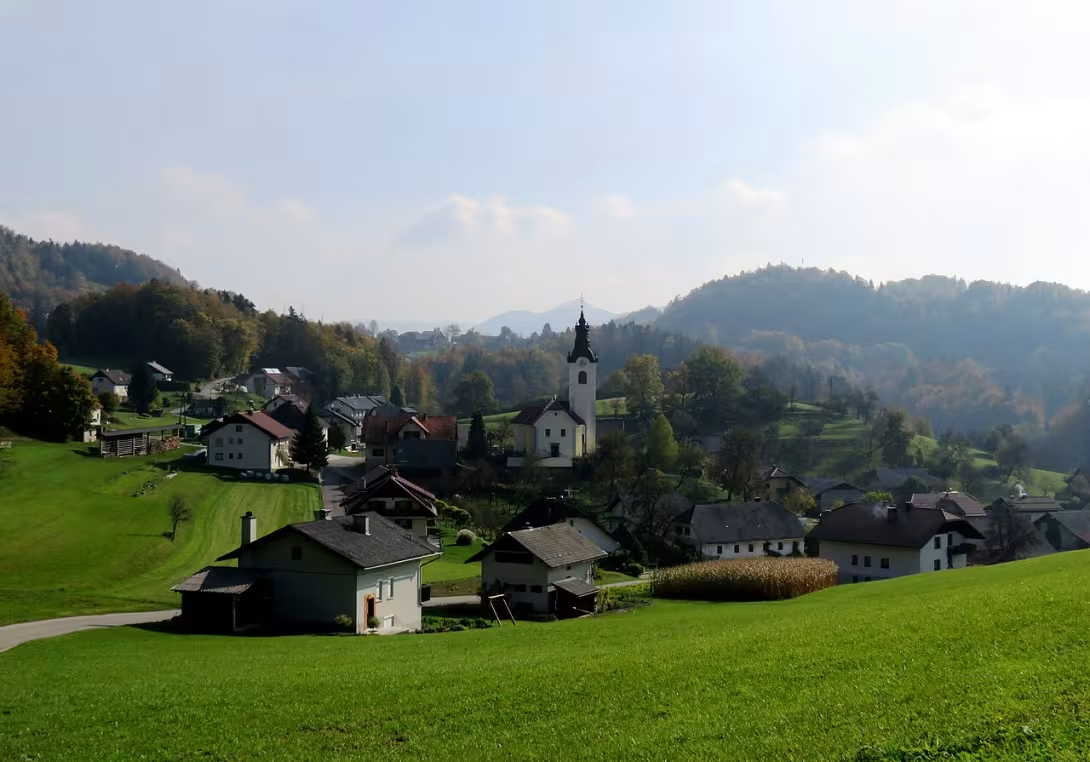

The historical view on the left is a visualisation generated by artificial intelligence and serves as inspiration.
Historical Milestones
- new age
- The emergence of pregnant furnaces as an example of modern times.
- Inclusion in the Register Central Record of Monuments and Colorful Monuments as a National Cultural Monument.
Interesting facts
- It is a national cultural monument located in the village of Iža in the Nitra region. - The area of the monument consists of only one object, which are pregnant furnaces from modern times. - This object is listed in the register under number 231-2083. - Pregnant furnaces are considered a significant example of modern times.
Guide
Show guide text
The text was prepared by artificial intelligence and has not been editorially reviewed. It may contain inaccuracies.
Welcome to the village of Iza. You just stopped by a place that in our history sounds like a silent whisper from the past. You stand in front of a memorial that bears the name Pece. Perhaps at first glance you may feel that there is not much to write down in the great textbooks of history immediately, but it is in this quiet presence and in what is unrecognizable to us that something extraordinary is hidden. Look around you carefully. Feel the atmosphere of this place where the everyday reality of the present meets with the vague silence of ancient times. If you look at this structure, you might think that its origin is covered in deep fog. The exact time of its creation, the moment when the first stone or first material was put in place, remains a secret to us. The unknown names of architects who designed this construction, nor the hands of the craftsmen who built it. In today's world where everything is recorded, digitally preserved and readily available, such an unknownness is fascinating. This memorial does not offer us clear lines from chronicles, but rather questions that make us stop and think. Who was the creator? Why did this place go for Pece? What led people at that time to create something permanent? Instead of giving clear answers, however, this memorial invites you to another kind of perception. Instead of reading the facts, he invites you to observe. Now that you are standing right in front of this object, he pays attention to its shape and presence in the country. See how this structure fits into the environment of Iz. Look at its surface, at the texture of the materials that resisted time. Consider the volume of this structure and how it acts in relation to the surroundings. Even if we don't know the exact architectural style, you can look in its silhouette for traces of functionality, traces of human effort and efforts to create something that makes sense. Watch how light breaks on its edges and how a shadow creates depth that forces you to perceive this building as a living element of history, not just a mute object. Although we do not know the names of historical personalities associated with this place in written sources, we cannot forget that real people have ever lived and worked here. Every building, even the most modest, is the result of sweat, work and thoughts of someone who was here before us. See this anonymous presence. Perhaps it was the inhabitants of this area who were doing their work here every day, perhaps the people whose lives were inextricably linked to the function they performed. Even if we do not know their names, their message is here, in this material form you see before you. It's a connection to an unknown generation that left a trail here, although their own voice has long been quiet. There's a big mystery hidden in this place. Mystery isn't just what we don't know, it's what we forgot. Why did the information about this place go missing? Why didn't these Pece become the focal point of every historical narration? Maybe it's their greatest power in this ignorance. This memorial teaches us humility before a time far greater than our short lives. It teaches us that history is not only about kings, great battles and clear data, but it is also about quiet places, anonymous works and the clues that remain, even though their origins have been lost in centuries. It's a challenge to our imagination. Try to imagine the sound of the past, the smells of it, and the movement that took place here. Instead of dry facts, this place offers you an experience of contact with the unknown. And that's rare these days. You're standing before something you need to figure out for yourself what you must feel for yourself. This memorial isn't just an object, it's a gateway to thinking about what's left of us. Now that you have lived through this moment in peace, we invite you to continue your discovery. Iza has its other attractions and hidden corners waiting for your next step. Do not forget to stop, to perceive the environment and to be carried away by what this region offers you. Thank you for spending time right here at Pece, and for trying to understand this piece of unknown past. We wish you a pleasant next trip to this historic country.
Tips for visitors
Pec in the village of Iža is a historical monument, which can be visited during the spring and autumn months. Access to the site is possible by car or public transport; park according to local signs in the village. We recommend wearing suitable shoes in the field and carrying enough drinking water, especially during summer days. For photos it is ideal to come during the time of the golden hours and shortly before sunfall. The visit is also suitable for families with children who can learn about traditional crafts and technologies.
Frequently asked questions
Can the monument be visited?
This is a technical monument. Some are open as exhibitions, others are out of use or on private land. We have not verified whether this one is accessible.
What are the opening hours and admission?
We have not verified the opening hours or admission. Current information is published by the operator.
Where is the monument?
Location: Iža, Nitriansky kraj. The map on this page shows the exact spot.
Why is the monument protected?
It is listed in the Central List of the Monuments Fund of the Slovak Republic as a national cultural monument (ÚZPF no. 231-2083).
For children
Imagine we're going back to the Middle Ages. There people found a very interesting way to burn ovens. In Iža, a small town in the Nitra region, which has its secret - old furnaces. These furnaces are real monuments to how people have long kept themselves and prepared food. Imagine that we live in a medieval city where every morning there is bread and a baked pond. There were rogue merchants and Lenirs who feared winter and famine. What a job that was! They often had their fingers burning from fire and legs in the deep ground digging.
Thematic route
Thematic cruise route from the village of Iža
1. Memorial ovens (Pece) - Type: Historical monument - Proč is worth a visit: Pece is an important part of the cultural heritage of the Nitra region.
2. St. Nicholas Church in Iža - Type: Cultural object - Proč is worth a visit: The church architecture reflects the historical influence on the town. Visitors can enjoy the beautiful interior and gain an understanding of local spiritual tradition.
3. Surrounding forest park near the furnace - Type: Natural environment - Proč is worth visiting: The park offers a quiet and green place, ideal for short walks or relaxation in a natural setting.
4. City of Iza - Type: Local trade and culture - Proč is worth visiting: The city offers a wide selection of local products that you can purchase as a permanent monument. Visit also local shops and know life in a small Slovak town.
5. Courtyard near the furnace - Type: Exposure and information panels - Proč is worth a visit: Courtyard offers an overview of the historical context of the furnace, with informative panels that provide details about their meaning and use.
This route offers a combination of historical objects and natural environment.
Seasonal recommendations
Jaro: In the spring season the ovens in Iža surrounding green and flowering, which provides a beautiful landscape. Solar worlds illuminate the walls of monuments. It is advisable to visit furnaces in the early ash season when there is less attendance. It is recommended to wear warm clothes and a shield to protect against the sun.
Léto: During the summer, the ovens in Iza are surrounded by dense greenness, adding a calm character. Sunny days are an ideal time to visit, but they can be very bitter. Visiting furnaces is best in the morning or afternoon, when temperatures are lower and the presence of crowds is less. It is recommended to wear lightweight clothing, sunglasses and plenty of drinking water.
Podzim: In podzim there is a furnace surrounded by gold and orange leaf color, which adds a romantic view. Sunny days are shorter and colder, creating an atmosphere ideal for photography and relaxation. Visiting furnaces is best in spring when temperatures are acceptable and less attendance. It is recommended to wear layered clothing and a label to protect against the sun.
Winter: During winter the ovens in Iza are surrounded by dreams, which adds mythical character. Solar worlds illuminate the walls of monuments. Visiting furnaces is best in the early ash season, when temperatures are acceptable and less attendance. It is recommended to wear warm clothing layered to protect against cold and sunny papers, as well as high shoemakers for safe skiing on snow.
Visualisations and artistic views

The visualisations are generated by artificial intelligence and serve as inspiration.
Visitor Tips
No tips yet. Be the first!
Log in and add your tip.



Visitor photos
No photos yet. Be the first to add a photo from your visit!
Log in and add your photo or leave a rating.
You get more points for a visit verified in the app — we can tell from the GPS that you are there.
Reviews and comments