








hradište Hillfort
Slovak Cultural Monument - Hradisko in Belí-Dulice
Hradisko is located in the village Belá-Dulice, Žilina region. According to the Register of Monument Office of the Slovak Republic it is a national cultural monument.
The area of the castle consists of 1 object: Hradisko (Hradisko), Latenska period. Location of the area is in the cadastral territory of the village Belá-Dulice. The address of the monument is Horné Jaseno, Belá-Dulice.
The style of the monument is the time of the Latin. Monument protection has been declared not thanks.
The castle consists of only one object - a high-rise castle from the Latin period. The layout and ground plan of the monuments are in the data. The material from which the castle was built is not mentioned.
The monument is located in the village Belá-Dulice, Žilina region. The use of the monument is not mentioned today. The current state of the monument is protection as a national cultural monument.
Have your memory visit and look at its history.
Tehdy a dnes
Drag the slider and compare how the monument might have looked when it was built with the view today.
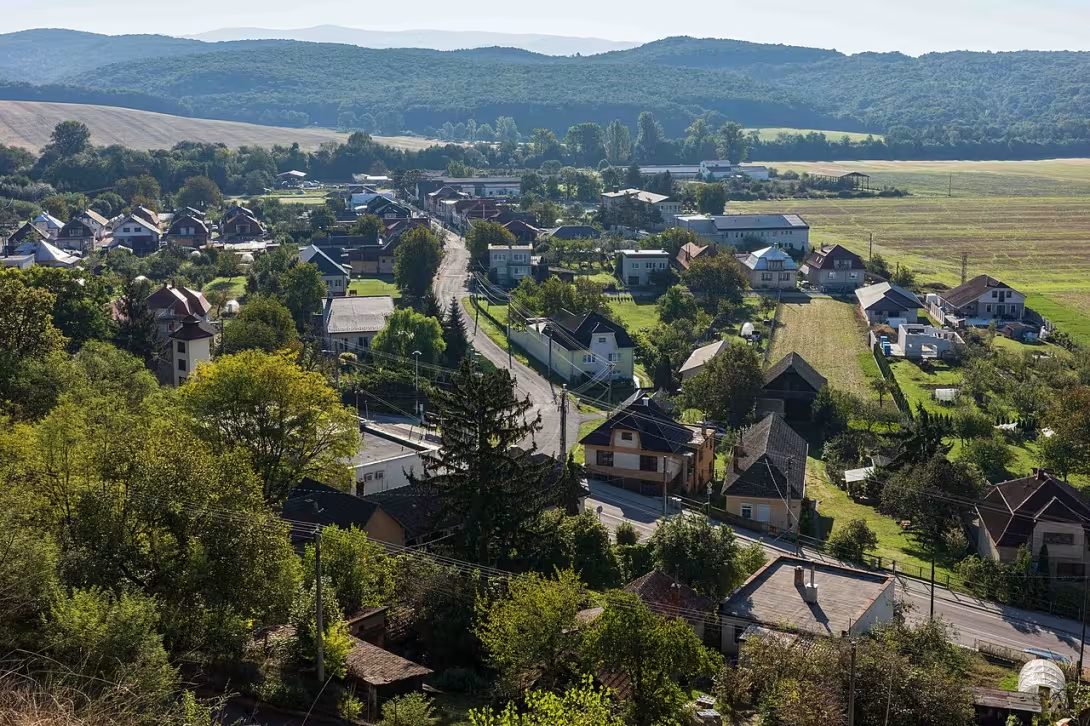

The historical view on the left is a visualisation generated by artificial intelligence and serves as inspiration.
Historical Milestones
- round 1350
- A Castle Will Be Formed
- Monument protection declared
Guide
Show guide text
The text was prepared by artificial intelligence and has not been editorially reviewed. It may contain inaccuracies.
Welcome to Bela Dulice. You're standing in a place where time seems to be stopped, in a silence that just talks about ancient epochs. Before you lies the castle, a place that is not just a mere hill or part of the country, but a silent witness of ancient times. When you look around, it may come to you that you see only nature, only the Obera shapes of the terrain and the green slopes. However, there is a deep meaning in this view. What you see in front of you is the trace of a human presence that sought to dominate this space, to find security in it, and to create a home at a time when the world around it was far more fierce and unpredictable.
When we talk about the origin of this place, we have to admit that the castle in Bela-Dulice is surrounded by mystery. There are no written records to tell us exactly when the first man decided to stand here and start changing the face of this country. The unknown exact century in which these fortifications arose, nor the exact reason why they chose this particular point. It could have been a strategic place to protect against the enemy, it could have been the center of local tribal rule, or maybe just a refuge for people who were looking for shelter in times of uncertainty. However, this uncertainty does not hurt the place, on the contrary, it gives it a special, magical charm. Every metre of this land that you are now bypassing was sometimes part of something great and significant, although it is now quietly sleeping under layers of soil and grass.
Now look at the shape of the terrain under your feet. Although you will not see monumental gates or high towers known from later medieval castles, the architecture of this place is actually the architecture of the country. Note how the natural slopes of the hill change, as the shapes of the earth appear to be artificially modified. It is in these contours, in these slight changes in height and in how the fort is turned on to the surroundings, that there are hidden traces of ancient builders. They didn't just work with stone or wood, they worked with the whole hill. They tried to exploit every natural advantage, every steep slope, to create a barrier that would not be easy to overcome. Looking at the horizon now, try to imagine how that view worked thousands of years ago. You saw the same panorama from there, but with another sense of security or danger.
At the moment, there are no known kings, no heroic dukes or legendary personalities we can speak of with a name in our mouths. And that's where one of the strongest things in this place is. The castle in Belá-Dulice belongs to anonymous people. It belongs to the thousands of hands that drove the earth that carried the stones that they built and lived there. These are the stories of ordinary people whose lives have been intertwined with the rhythm of nature, with the struggle for survival and with community building. Even if we don't know their names, their presence here is still felt. Every step you take is a step on the ground that someone once carefully prepared to live on it. It is a monument to unknown lives that formed the foundations of our civilization.
Instead of the great historical events, however, there is something else - a deep, fascinating mystery. The biggest question that hangs in the air here is why this place finally lost its significance. Why did people leave? What happened to their fortifications and their world of life? What made something that must have been an extremely important center at the time of its bloom, just a quiet castle in the country? Perhaps a period of peace has come, perhaps business routes have changed, or perhaps the environment has changed so fundamentally that this place has not already offered what people needed. This void in information is not a shortcoming, it is an invitation to your own imagination. It is a space where you can add the missing parts of the story yourself.
Instead of dry facts and figures, this place makes you feel the atmosphere. Feel the wind that runs on the slopes, feel the silence that is not empty but full of the sounds of the past. You are standing in a place that has surpassed centuries that has survived climate change, the fall of civilizations and the constant movement of the world. And yet he's still here, in this greenery, waiting for someone to see her.
Now I'm raising you to another discovery. Don't just stay in one place. Keep walking, bypass the contours of the castle, try to stand on higher points and look at the surroundings from the perspective of the ancient citizens of this place. See every change of terrain, every detail of the country that might indicate human activity. Be carried away by this feeling unknown and try to draw in your head the image of the world that once existed here.
Thank you for coming to see this silent testimony of the past. We wish you a pleasant and peaceful passage through the whole Belá-Dulice site. We'll say goodbye, but keep this feeling connected to old times longer in your memory. Goodbye.
Tips for visitors
A period of spring or autumn is appropriate for a visit when the weather is more stable. You can travel by car or public transport; check your current connections in online search engines. Take comfortable shoes, water, and snacks. We recommend using natural light during morning or evening hours for photography. When visiting with children, we recommend adjusting the pace of the terrain.
Frequently asked questions
Can the monument be visited?
According to the heritage register the site is not presented to the public – there are no accessible remains or information on site.
Where is the monument?
Location: Horné Jaseno, Belá-Dulice, Žilinský kraj. The map on this page shows the exact spot.
Why is the monument protected?
It is listed in the Central List of the Monuments Fund of the Slovak Republic as a national cultural monument (ÚZPF no. 316-2197).
For children
Close your eyes and imagine that you have a magic time machine in your hand. You press one big red button and boom! It takes you thousands of years back to the past. You're standing in Bela-Dulica right now, but everything around you looks completely different. No cars, no phones, no asphalt roads. All you see is dense, dark forests and wild nature, in which there is silence.
Thematic route
1. Entrance gate - historical entrance to the castle area.
2. The courtyard of the castle - open space in the centre of the castle with distributed archaeological findings.
3. Tower - part of the castle overlooking the landscape of Žilina region, forests and hills.
4. Archaeological exhibition - exhibition room in the visitor building. Interactive panels and artifacts (ceramics, weapons, jewelry) document settlement and everyday life on the castle.
5. Park near the castle - landscaped green space around the castle with paths and historical walls.
Seasonal recommendations
In the spring, the castle in Belá-Dulica awakens into a new life. The first green food and flowering trees add fresh atmosphere to the place, while the fine spring light highlights the relief of historical fortifications. It is recommended to put on with a leaking surface, as the terrain after rains can be moist and muddy. The ideal time to visit are the first warm weekends when nature is in full bloom.
The summer season brings dense vegetation and intense sunlight to the castle, creating a strong contrast between the shade of trees and the open areas. Because of the increased attendance and high temperatures, it is best to arrive early in the morning, avoiding the largest groups of people. Do not forget light, breathable clothing, head covering to protect from the sun, and plenty of drinking water.
Autumn clothes the surroundings of the castle in gold and red colors, creating a melancholy and peaceful mood. Moths that often hover over the terrain give the memory a mysterious look, while the low autumn sun is ideal for photographing details. Due to variable weather, it is advisable to dress with layers and choose the time late in the morning when the air is cleanest.
In the winter period, the walls are quiet and quiet, especially if the landscape is covered with snow, which highlights the contours of an ancient fortification. The atmosphere is at that time most peaceful, but shorter days and low temperatures are to be expected. Warm clothing and stable footwear with anti-slip soles are essential to move safely on frozen soil.
Visualisations and artistic views

The visualisations are generated by artificial intelligence and serve as inspiration.
Visitor Tips
No tips yet. Be the first!
Log in and add your tip.
More monuments – Belá-Dulice
Show all in the town



Visitor photos
No photos yet. Be the first to add a photo from your visit!
Log in and add your photo or leave a rating.
You get more points for a visit verified in the app — we can tell from the GPS that you are there.
Reviews and comments