

water mill Water mill
Water mill in the village Podbranč in Trnava region is a classicistic building from the end of the 18th century and is declared a national cultural monument under the number of ÚZPF 11549. The building still retains its original technical parts.
The area of the monument at Majeríčka 178 consists of two main parts. The first is the water mill itself built in a classicistic style at the end of the 18th century and the second is the technological equipment from 1823.
The history of property relations dates back to 1913 when the mill bought one of the two brothers who moved to Podbranč from Bukovec. The object was not nationalized during its existence.
The mill plant had a long tradition and grinding lasted until 1963. Technological equipment was preserved directly in the building.
The building undergoes reconstruction under the direction of the owner. As part of the previous work, repairs were made to the roof and reconstruction of the corner with the support of grants. Current efforts are aimed at completing plasters and repairing electrical installations in order to maintain original technical components.
Tehdy a dnes
Drag the slider and compare how the monument might have looked when it was built with the view today.
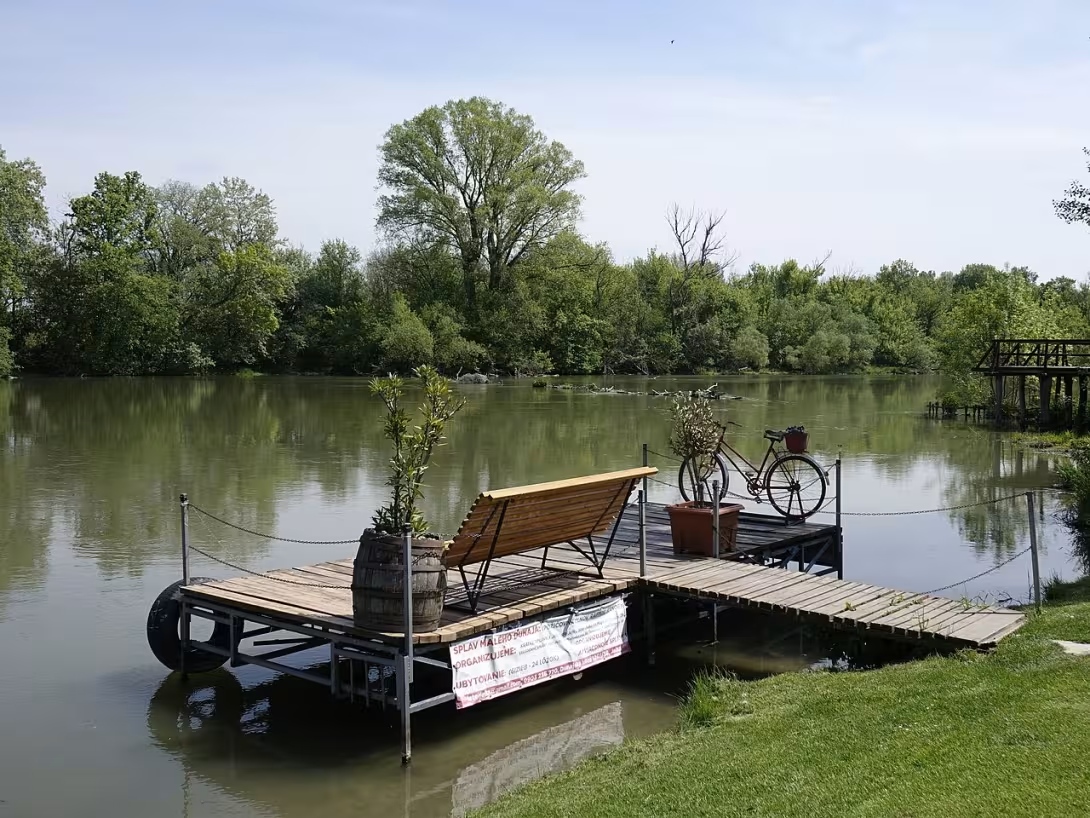

The historical view on the left is a visualisation generated by artificial intelligence and serves as inspiration.
Historical Milestones
- 1823: Creation of the mill object and technological equipment.
- 1913: The mill was bought by one of the two brothers who moved from Bukovec.
- 1963: The mill stopped grinding.
Restoration history
| Years | Type | Extent | Condition after restoration |
|---|---|---|---|
| 2016 |
Obnova
vodný mlyn |
Časť obnovená komplexne | dobrý |
Source: Monuments Board of the Slovak Republic — open data, licence CC BY 4.0
Interesting facts
- Water mill in the village Podbranč is a classicistic building from the end of the 18th century, which is declared a national cultural monument. - The building still retains its original technical parts and the technological equipment comes from 1823. - The mill bought in 1913 one of the two brothers moved from Bukovec and the object was not nationalized during its existence. - Grinding in the mill lasted until 1963 and its technological equipment was preserved directly in the building. - The building undergoes reconstruction under the direction of the owner, while repairs of the roof and
Guide
The guide was voiced by a synthetic voice created by artificial intelligence.
Show guide text
The text was prepared by artificial intelligence and has not been editorially reviewed. It may contain inaccuracies.
Welcome to listening to our audio guide. You are facing an impressive historical monument, which is a water mill in the village Podbranč. Put your headphones on comfortably, open your eyes and let yourself be drawn into the story of the place where time has stopped. Come forward. You see a classicistic structure that reminds our ancestors of the past times in silence. At first glance, you will be impressed by the atmosphere of this place, where respect for tradition is associated with the wit of old builders. Right here, in the middle of the Trnava region, you have a history that remembers centuries. Let's move on to the very beginning and historical context of this unique place. Water mill in the village Podbranč is a classicistic building, which dates back to the end of the eighteenth century. Although the exact year of construction or the name of the builder was not preserved, the very presence of this object testifies to the immense skill of the people who once lived and worked here. Mills were the heart of every community in the past. They were not just a place for grain processing, but also a center of social events, where people from all around the world met, exchanged news and enjoyed their everyday and holiday days. Now pay attention to the architecture itself and the details ahead. As with other structures of this kind, note the overall expression and proportions. Classicist style manifests itself in clean forms and moderate elegance. When you take a closer look at the exterior, see the overall harmony with which the mill was planted in the surrounding environment. It is a building that attracts attention, not by pointless showyness, but rather by honorable strength and purposefulness. When we talk about the key stories and personalities that are immersed in this place, we come to an interesting chapter in the modern history of the mill. Although original builders and millers from the oldest times remain in the shadow of anonymity, we know about later owners who inhaled the mill new life force. A remarkable moment in the history of this monument is 1913. Then one of the two brothers who moved here from Bukovec bought the mill. This step brought new energy to the mill and ensured that the tradition of millering craft continued in the family. And now comes the greatest attraction and pride of the whole object, something that will surely interest you in this place. The building still retains its original technical parts. Imagine that the technological device inside came from 1823. When you stand before this building, realize that you have not only nice walls, but above all a unique technical heritage. Many similar buildings have disappeared or lost their equipment over the centuries, but the water mill in Podbranč is a rare exception. By being declared a national cultural monument, we can admire today the authentic testimony of human ingenuity and fortile. Finally, we invite you to further explore the surroundings. Walk around the building, sense the sound of nature and let the atmosphere of this historical jewel come to light. Thank you for choosing the water mill in Podbranč for your walk today, and we wish you a pleasant experience in getting to know other interesting places of our region. Goodbye.
Tips for visitors
To visit the water mill in the village Podbranč is suitable early morning in spring or autumn. The site can be accessed by your own vehicle or by public transport, the connection of which can be verified in an online search engine. Take firm shoes, drinking patterns, and appropriate clothing instead, as the terrain may be uneven. Morning light highlights the historical details of the mill. Families with children can take a walk here, connected with exploring technical monuments in the exterior.
Frequently asked questions
Can the monument be visited?
This is a technical monument. Some are open as exhibitions, others are out of use or on private land. We have not verified whether this one is accessible.
What are the opening hours and admission?
We have not verified the opening hours or admission. Current information is published by the operator.
Where is the monument?
Location: č. 178, Majeríčky, Podbranč, Trnavský kraj. The map on this page shows the exact spot.
Why is the monument protected?
It is listed in the Central List of the Monuments Fund of the Slovak Republic as a national cultural monument (ÚZPF no. 215-11549).
For children
Imagine walking in time. It's not just a little jump, it's a huge journey back to a world where everything worked completely differently. Exactly 203 years ago, in 1823, a whole new chapter began to be written in Podbranč. That's when a fascinating machine came back to life, which still arouses wonder. If you were standing there at that time, it would be like a fascinating movie about a long world. You'd hear a constant noise of flowing water and loud drilling of wood everywhere. The mill was not just a building with windows and doors.
Thematic route
Draft thematic route for trips in the village Podbranč and its surroundings. The route is aimed at exploring the mill and its area.
1. Water mill - Type: Technical monument - Why it is worth visiting: The object shows historical millery and traditional architecture connected with the use of water power.
2. Mill drive and water work - Type: Technical interest in the area - Why it's worth a visit: This part will approach the funkowani water supply and management of water resources in the past.
3. Outdoor area and surroundings of the mill - Type: Exterior and natural space - Why it is worth a visit: The surroundings of the building provide space for a walk and experience the environment in which the mill worked.
Seasonal recommendations
Spring brings to the surroundings of Podbranč waking nature when the slopes around the water mill cover the first meadow flowers and fresh greenery. The surrounding forest in the outer environment of the monument breathes the moisture of melting snow and morning mist creates an impressive scenery for photographing industrial architecture. Since the object is in the reconstruction stage, count that the terrain in the surrounding area can be muddled and slippery after winter. Wear solid waterproof shoes and layered clothing that will protect you from the variable spring wind. The best time to visit is morning, when the sun's rays pass through the branches of trees and the revived stream gives the place a unique sound background.
Summer months wrap the water mill with lush vegetation and thick leaves, which often partially masks the views of the building itself, but also provides a pleasant shade under the treetops. The atmosphere is calm, accompanied by loud birdsongs and buzzing insects around the watercourse. During sunny days, you will appreciate light, airy clothing, head cover, and plenty of drinking water, as warm air can be kept in the valley without a noticeable breeze. Since it is a technical monument with unverified access and ongoing construction works, move exclusively on secure paved routes in the exterior. The best time to admire exteriors peacefully is the evening when the setting sun creates warm side lighting ideal for capturing the structure of the old masonry.
Autumn paints the landscape under Branč Castle in colorful shades of yellow, orange and brown, creating an incredibly photogenic backdrop for the old mill. The fallen leaves cover the access routes and the morning mist gives the whole place a slightly melancholy to mystical character, which stands out especially during cloudy days. For this season, a warm windproof jacket, scarf and solid tourist shoes are essential for the trails covered with wet leaves. The light conditions are favorable almost all day long, because the sun is placed below the horizon and soft light nicely shapes the historical details of the exterior. During this period you will meet only a minimum of visitors in the area, which guarantees absolute peace of mind on the genius loci of this place.
Winter turns Podbranč into a quiet, almost fabulous corner, where the frozen stream and snow white covering the surrounding landscape contrast with dark wood and mill stone. The cold air outside cuts and the atmosphere is quiet, interrupted only by the occasional crackling of branches under the weight of snow or frost. Warm winter clothes, including hats, gloves and high-quality non-slip shoes, are essential because the surrounding slope terrain is icy and ungroomed. Days are short, so schedule your arrival at noon, when daylight is the most intense and provides at least poor rays to view the exterior of the monument.
Visualisations and artistic views

The visualisations are generated by artificial intelligence and serve as inspiration.
Visitor Tips
No tips yet. Be the first!
Log in and add your tip.


Visitor photos
No photos yet. Be the first to add a photo from your visit!
Log in and add your photo or leave a rating.
You get more points for a visit verified in the app — we can tell from the GPS that you are there.
Reviews and comments